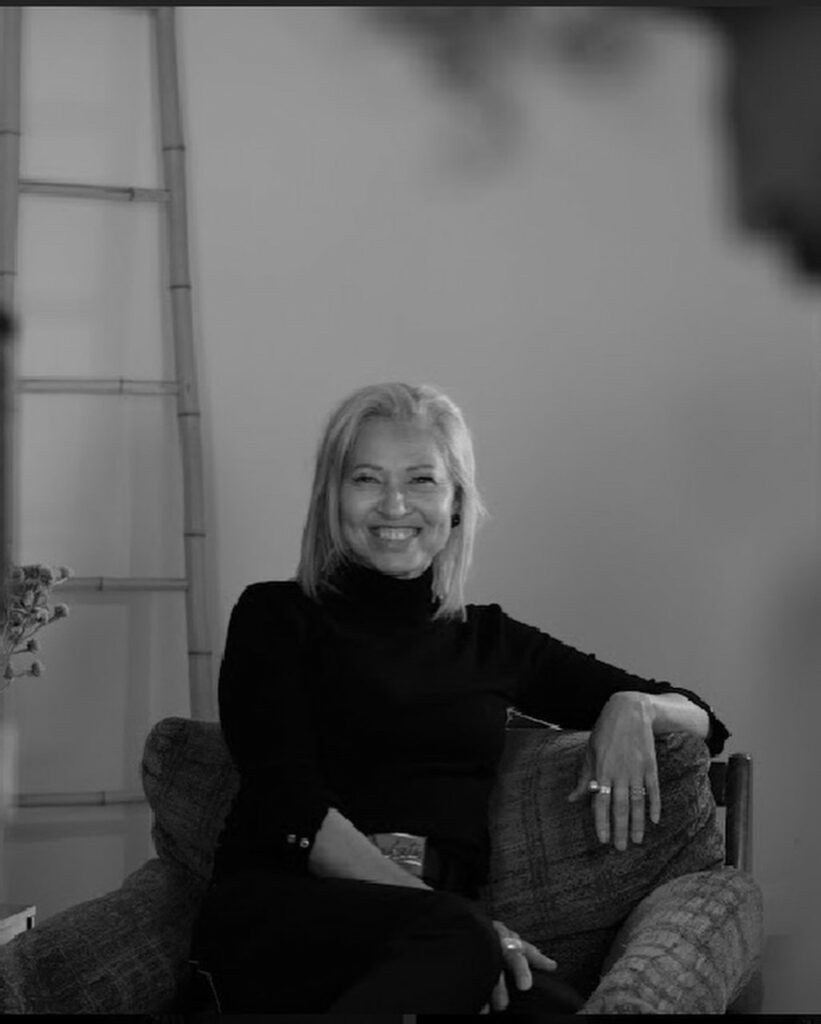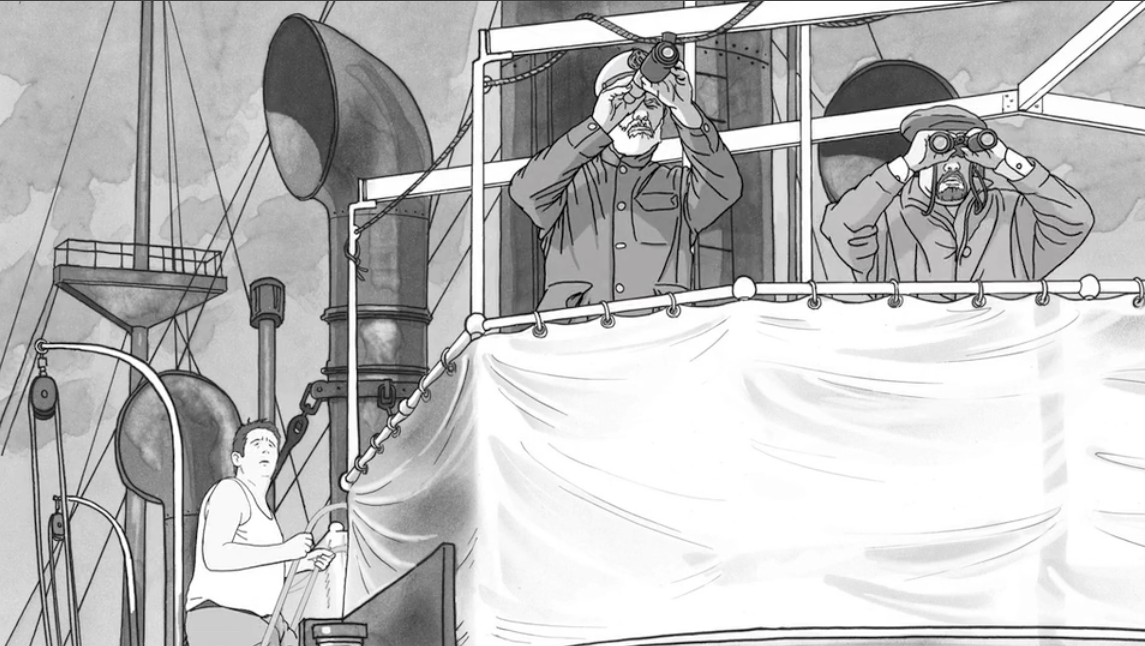
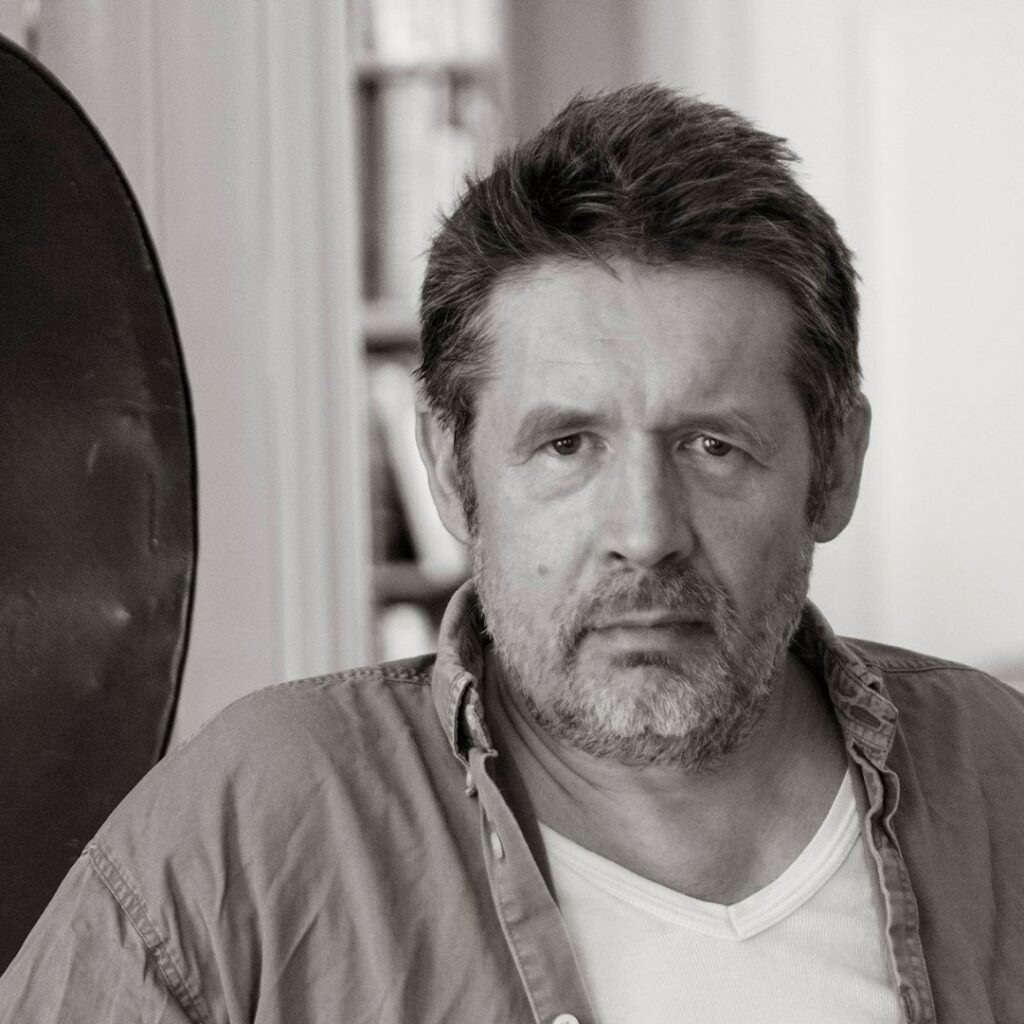
Cèlia Novis

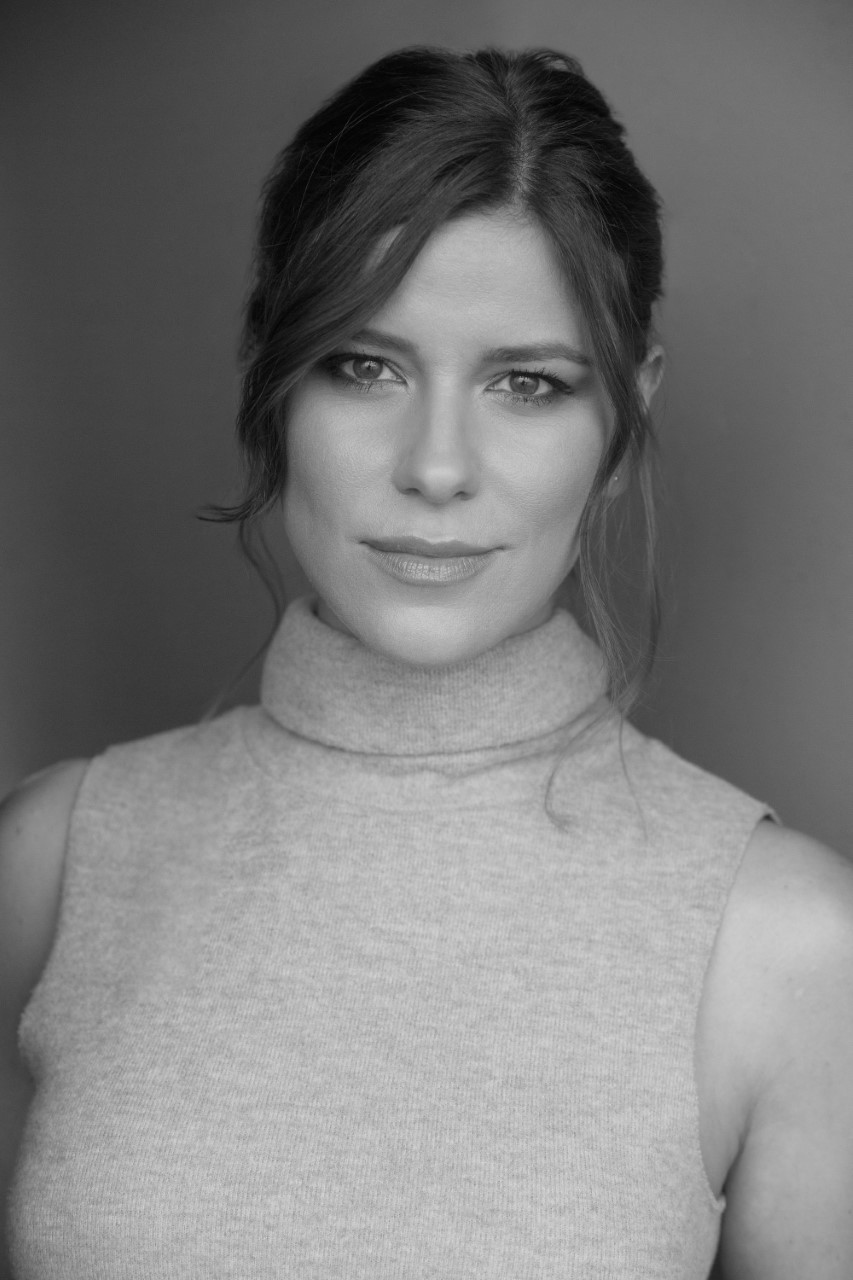
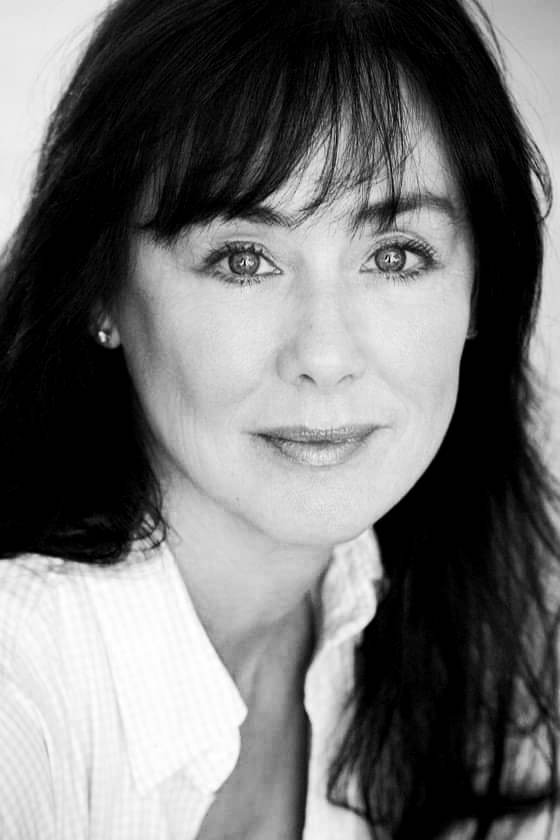
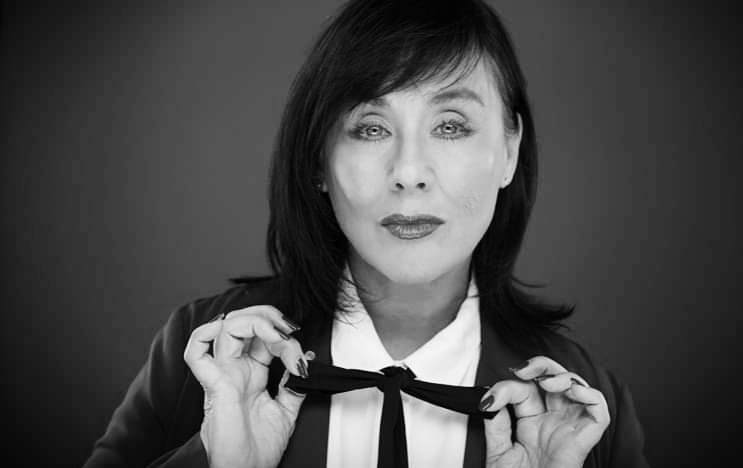
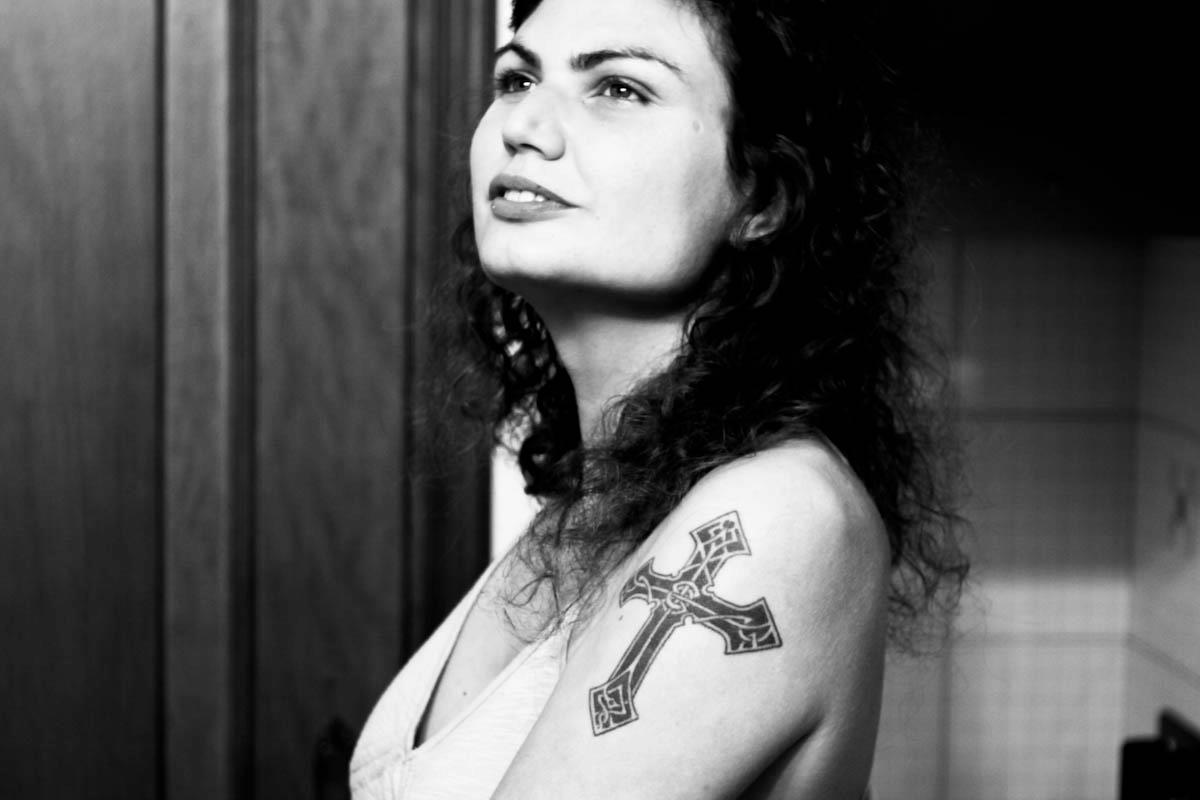
Who is Cèlia Novis?

I am passionate about storytelling, nature and music.
In recent years I have written, directed and produced 3
documentary films, which have given me experience, great
colleagues and some awards. Besides, I have written several
more scripts, in this case, for fiction. I am looking
forward to finding production to direct my first fiction
feature film soon.

-What inspired you to become a filmmaker?

What led me to become a filmmaker is my interest in telling
stories that people can identify with. I think we are full
of stories: the ones we live, the ones we are told, the
ones we read. And movies are a wonderful way to connect
various arts that I love (such as literature and music) in
order to put them at the service of stories, characters,
emotions. In truth, cinema is more powerful than we
believe.
If we think about the global pandemic that we have just
suffered, in the end everyone, no matter the place we’re
from, ended up taking refuge in stories, in one way or
another, in order to cope with isolation and uncertainty
a little better.

Do you think the cinema can bring a change in the
society?

Yes, as I said before, cinema is a powerful weapon to
think, consider situations, change your mind, empathize,
get to know other cultures and, thanks to that, realize
that in the end, in the most essential things, all human
beings are very alike and we look for similar things to
feel better. It doesn’t matter if you were born in India,
Italy, USA or Spain, to mention a few places. Therefore,
through movies we can generate a change, as do writers,
doctors, scientists or environmental activists.

– What would you change in the world?

Without a doubt, one of the issues that worries me the most
is climate change. I think it is the biggest problem that
humanity has and it is our great failure as a species.
We have believed that the world and its resources belonged to
us, that we are not part of a whole, with the rest of the
animals and species. Therefore, we are irreversibly
destroying a beautiful place.

It is incredible that we are able to create things as
beautiful as movies or music and have so much destructive
power as well.
It also drives me crazy injustices and inequalities. And
that it is so easy for some people to do evil without being
penalized.

Where do you see the film industry going in the next 100
years?

I am not sure. I believe that the platforms are very
important and allow us a greater offer to choose from,
while creating many more jobs in our industry.
But I would not like at all that the cinemas disappeared.
The experience of going to the cinema, of enjoying a
collective moment, in complete darkness, without cuts as if
it were a dream, with a good screen and sound, is an
experience that generations within 100 years should
definitely live.
That is how I fell in love with this art. For me it is a
total dream experience, it is very exciting and there is no
enough comfortable place in any house that can compare to
the experience of stopping your life for a couple of hours
to live a dream in a place built by and for it.

Yoshiya Yamamoto

-Who is Yoshiya Yamamoto?

A 23 year old aspiring cinematographer/photographer from Japan and Pakistan. I’ve had the pleasure of having lived in 4 countries, all of which exposed me to incredibly rich cultures that have ultimately influenced many of my creative endeavors.

-What inspired you to become a filmmaker?

I’ve had many creative influences over the years, but there are a few in particular such as my film professor in high school and the many films I watched that I can credit for inspiring me to pursue film. My base has always been in photography, but film seemed to be a more versatile medium for me to communicate stories while still being able to integrate my logistical knowledge of photography. Directors such as Wong-Kar-Wai and cinematographers such as Rina Yang and Christopher Doyle are some figures that I can definitely credit as well for largely inspiring my creative approach to cinematography.

Do you think the cinema can bring a change in society?

I think that film is a beautiful merge of many powerful mediums. It consists of elements of music production, photography, and narrative writing. All of which have to be balanced perfectly to incite certain emotions in the viewer, or to start conversations about issues in society as a whole. I think that there have been many directors that have used their personal experiences to highlight larger issues within society, and when these projects are executed honestly, I see that they can greatly influence the way people think, and how comfortable they may feel addressing certain topics. So yes, I do believe cinema has the potential to significantly impact society.

What would you change in the world?

One goal that I have that I want to achieve through film is to begin as many conversations as possible. I want to avoid making statements through my projects, and instead create discourse about a variety of topics and issues that may affect far more people than we realize. Although the thought of impacting the world in some way frightens me, I know that I can potentially impact people just as other directors have impacted me.

Where do you see the film industry going in the next 100 years?

Very difficult to say of course, but judging by the speed that technology is advancing, I can definitely see people using some kind of virtual reality tech to completely immerse themselves in films. Although this may seem kind of worrying, I can imagine it being a more impactful experience for the viewers. My only hope is that we don’t lose the classic experience of going to a traditional movie theater and enjoying a film with friends and family. My fear is that the cinema experience will slowly fade just as the act of reading physical books has slowly faded with the rise of iPads and audiobooks.

Darius Rubin

– Who is Darius Rubin?

 I am 22 years old and living in New York City where I study history at Columbia University. I work as a DJ and event organizer, and I have a deep passion for journalism and the written word. 

What inspired you to become a filmmaker?

I have always been interested in the idea of telling stories, since before I even knew it; whether it is through pictures, stories, poems or videos. Filmmaking to me is the best way to tell a story since it combines every artistic medium and serves as a total sensory bombardment of a specific idea. My partner in this project, Yoshi, came to me with a desire to make a short film on a specific story about young men and mental health, and I immediately said yes coming on as a writer first. I have no intention of looking back. 

Do you think the cinema can bring a change in the society?

I believe that Ideas represent freedom ; they are intangible, hard to trace, hard to protect against, and serve as propellors of action. Film, being one of the most effective ways of getting out an idea, does have the ability to change a large portion of society’s minds about either an issue or a general culture.. Truly deep, emotional and challenging films do have the ability to bring a change in society, but it’s a question of whether society wants to change, so it has to be pushed. 

What would you change in the world?

What would I change in the world?! I guess there is a lot. There is so much pain, suffering and injustice that people experience everywhere, much more acutely in the undeveloped world so I don’t want to compare that kind of physical suffering to what I am talking about here in the west. But, from my experience of first-world countries, the most serious problem, having overcome much of the primary human problems of finding basic shelter and getting food, is the competitive nature of society, augmented by social media, which means we are constantly comparing ourselves to others, trying to outdo them, and rarely feeling happy and comfortable with ourselves. I wish everyone would never again feel like they are being left behind, and be happy where they are and doing things for others, myself included.

 –Where do you see the film industry going in the next 100 years?

 In the next 100 years, I don’t even know where the world will be at let alone the film industry. Based on the current state of things, taking the Marvel obsession for example, it seems like only the fast-paced attention-grabbing films will be successful. So, the future film industry could be a soulless, fast-paced big-budget math equation, or ninety minutes worth of forty second vertical videos to be watched on an iPhone before bed. That being said, I do believe in a kind of artistic resistance to that profit-oriented model that will never die.

Joseph Kusic

-Who is Joseph Kusic?

Oh God, it’s a very existential question. um, I guess you can say a dreamer. I mean, that’s all anyone is really, being a storyteller and wanting to be one professionally means that you have to keep dreaming. Some people say that dreams are our brains getting rid of useless things, I don’t think so, dreams for me are the stories that I haven’t told yet. So, yeah, a dreamer. 

What inspired you to become a filmmaker?

What inspired me to get into filmmaking was that, I remember when I was younger, before I could read, I learned how to work the remote. Even though I was really young my parents allowed me to watch the extended cut of Lord of the Rings, and the DVDs had extra discs, so, not knowing any better and not being able to read the disc, I just put it into the player and I hit the first thing that came up. It turned out to be the behind the scenes of The Lord of the Rings. Since then I’ve been obsessed with the filmmaking process and have been wanting to make films ever since. 

Do you think the cinema can bring a change in the society?

I do think cinema can bring a change to society as much as it is a reflection of society. You look at the movies in the early 2,000’s and compare them to films today and they are very much a reflection of the time they were made in. I do think movies also can change a person for the better after watching a certain movie, because that film can speak to them. If a film teaches a good lesson, who knows, maybe that film has influenced a future leader. My hope is that it changes things in smaller ways, by that I mean that if one person has left the cinema with a better attitude than the one they had going in, or if it influences them and speaks to a person and helps them become a better person. Then that person has become a better person for society. 

What would you change in the world?

What would I change in the world? I don’t know, it’s a tough question, and as a filmmaker, sometimes you feel as if the world is on your shoulders, because I think every storyteller can attest to this, we see so much. We tell stories of triumph, heartache, joy etc… My thinking is that you can only change the world after reflecting and changing yourself. If more people valued their worth and their wellbeing instead of focusing on what everyone else is doing, then maybe, just maybe the world would be a better place. It’s like what Tolkien said “If the world valued good food, above hoarded gold, it would be a much merrier place.” 

Where do you see the film industry going in the next 100 years?

I think the film industry is changing for the better, now, where will it be in 100 years? I have no idea to be honest. I do think that the tools for filmmaking are becoming more accessible by the day and in 100 years it will be so easy for young filmmakers to achieve high quality shots or vfx to rival that of studio films on not even half the budget, but way less.  

Julie-Anne McDowell

-Who is Julie-Anne McDowell?

I am a mum of three kids, two dogs, three tortoises and a hedgehog, originally from Belfast now living in Johannesburg. I have been involved in the creative arts from as far back as I can remember. I trained with RADA both in classical ballet and speech and drama and hold a Joint Hons degree in languages, an International Marketing Diploma and a Masters with Distinction in Script and Screenwriting from Falmouth University.

An award-winning actress, I was nominated for a Naledi Best Supporting Actress Award for Marilyn in The Revlon Girl in 2019, won the NI Best Actress Award for Julia in Me and My Best Friend and the NI Best Supporting Actress Award as Model in Beauty. In 2020, I set up How Now Brown Cow Productions, based in Johannesburg, to produce world class theatre and in particular to commission, enable and empower South African theatre practitioners. Our first production The Beauty Queen Of Leenane will open in October 2022 at The Theatre On The Square Sandton. www.hownowbrowncow.co.za

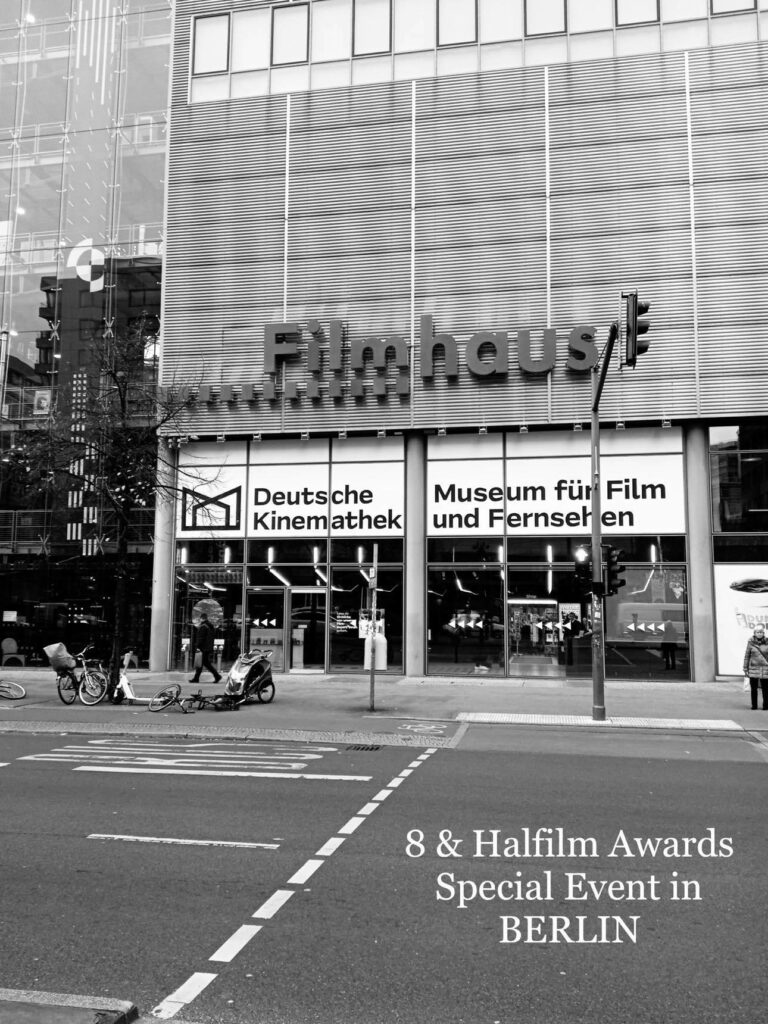
I wrote my first short film in 2021, The Hive, which has won a number of awards including the Writers Guild Of South Africa Muse Award and the Toronto Intl Women Festival, Best Female Scriptwriter. How Now Brown Cow produced the film at the end of 2021 and it is now on the festival circuit where it won Best Producer at the 8&halfilms Awards amongst other festival nominations and wins.

What inspired you to become a filmmaker?

My love of storytelling. I have always loved stories, listening to and telling them. I love the escapism, the worlds you inhabit and the mirror they hold up to society.

I started writing a few years back with a view to creating work for myself as an actress. But in lockdown it took on another impetus. I burrowed myself away in other realities where I could write my own narrative, one which I could control.

I then filmed my first short film The Hive in October 2021.

-Do you think cinema can bring change to society?

Well, I think we have told stories from as far back as the cave dwellers to communicate with one another. To describe a day’s adventures, to warn of danger, to indicate where the food is, to entertain, to teach. Stories are a way for us to understand the world around us, to see ourselves objectively and at a palatable distance. They help us understand the human condition. So yes, I absolutely believe cinema as a means of storytelling has the ability to change us individually and as nations.

Film industry in next 100 years?

The technological changes that have happened to date and that will continue to happen expand what is possible in how we visually tell a story. Already we’ve seen the recent change in the distribution of our stories from network dictated scheduling to binge watched streaming channels. When and what and how dictated by the consumer.

Michelle Arthur

Who is Michelle Arthur?  

I’m from a small town in the Midwest of the United States of America.  I was born in Indianapolis, Indiana, but my family early on moved to a suburban area south of the city.  Had I grown up near Los Angeles, California, where movie making is literally happening all over the region on a regular basis, then I’m quite sure I would have been involved in the Hollywood business sooner.  Instead my working class parents never anticipated those dreams and encouraged me to find a steady income. I pursued a media career initially.  It was through the magazine industry for years that I was in the habit of telling stories with the editorial departments, modeling for the glossy pages, or working with all types of companies by selling advertising space.  All of those tasks cross over to film — writing, producing, directing, acting.  It was a natural transition to go from working with the still layouts in print to moving frames of TV shows/Films once I migrated to the City of Angels.  Regardless of where or how, I’m someone who always felt destined to make a mark in the world through my work.  

What inspired you to become a filmmaker?  

Since I was a child, I’ve always had a thirst for knowledge and the desire to share my findings with others — to educate and entertain.  I remember being in the library of my grade school one day and fell in love with the idea of looking up information in the encyclopedias (google did not exist then) then filtering it somehow for the other kids.  By earning a Bachelor of Arts degree from Indiana University’s School of Journalism years later, I acted upon that through the newspaper or magazine jobs that followed. I was really surrounded by Hollywood with certain publications and those types of contacts were making a big impression on me.  At the end of the day, filmmaking is story telling and entertaining or enlightening others and that registers with me the most.  Looking back it seems inevitable that I would one day make my own films.   

Do you think cinema can bring a change in the society?  

Absolutely.  Cinema is a powerful tool.  People like to be absorbed in watching shows or films. It takes their minds off their troubles at least for awhile. The meaningful messages within those films can play a part in influencing their decisions about life. If you consider the longevity and popularity of certain films then you realize the sheer number of eyeballs upon the material.  Power in numbers.  

What would I change in the world?  

The list is long but many of those problems could be addressed with one word:  Compassion.  If only people thought about others as much as they thought of themselves then we would all be much happier.  It sounds simple, but if you gave me a complex issue then I bet it could resolved with more compassion for others.  Toss out the mirror.  

Where do you see the film industry going in the next 100 years? 

You mean if the earth is still around in 100 years if we humans don’t totally destroy each other and it in the process due to our selfishness? Lol.  I see film in our lives forever. People love film. So do I.

Roberta Pyzel

Who is Roberta Pyzel?

I am a native New Yorker; I’ve worked in various theater venues here in NYC in many capacities: stage manager; light/sound tech. I studied filmmaking at the NYU-SCE.

What inspired you to become a filmmaker?

I LOVE films!! Working with so many interesting artists, especially in downtown NYC art performance venues, led me to video work: interviews, music videos and in 1994 producing, directing and editing a full length documentary, “SHOOTING STARS” – about living with AIDS.

All of this work led me into writing: first plays and now a full length screenplay (based on a short play of mine).

Do you think the cinema can bring a change in the society?

ABSOLUTELY!!! I believe that all the ‘ARTS’ have the power to touch people’s hearts…to open up their thinking – this is what makes real change possible.

What would you change in the world?

We are in a very difficult and challenging time – it seems more dangerous than ever in many ways. I believe that one of the most serious obstacles to our solving the problems that we all face (climate destruction/economic desperation/racism/endless war/nuclear weapons…!!!) is the lack of communication between people; as long as people are isolated in their own political/social ‘bubbles’, productive conversations and serious solutions aren’t possible.

“Divide and Conquer!” When we are fighting so hard between ourselves, a few powerful people continue to control the world for their own benefit.

Where do you see the film industry going in the next 100 years?

People love films: the great commercial, ‘Hollywood’ style films will always have their audience. I particularly love ‘independent’ films which today’s technologies make possible. The wonderful diversity of films that are being made and that are available for us to see – from every country on the globe – makes me hopeful that ‘ordinary’ voices will be heard…that ‘ordinary’ people will come to empathize with one another more and more. I believe in the healing power of understanding.

I think that there will be more and more diverse, independent voices speaking to a wider audience as time goes on.

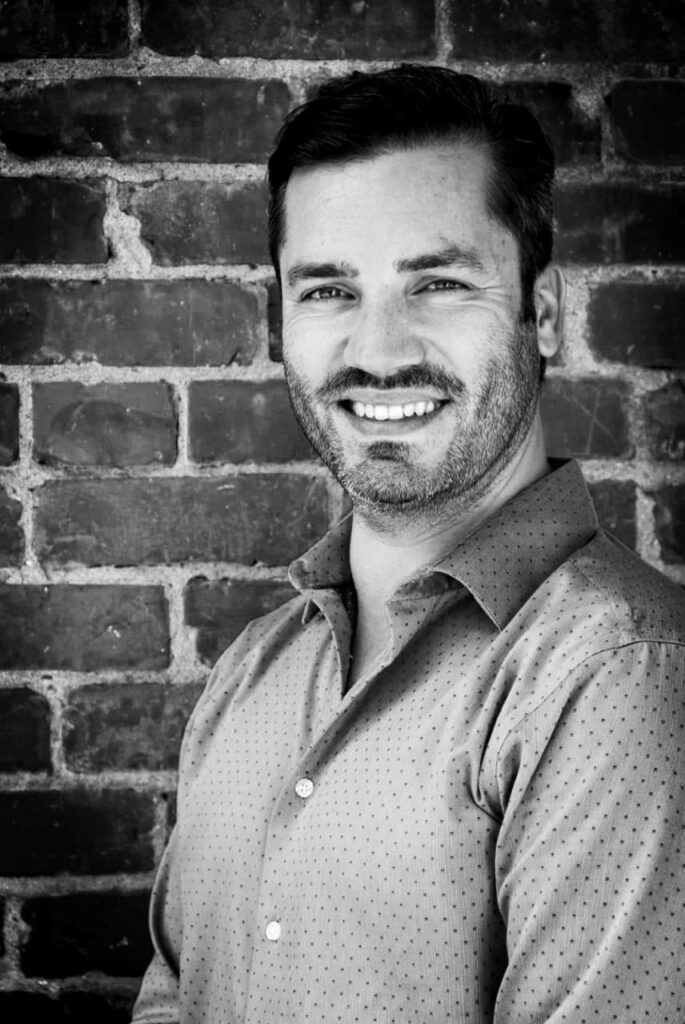
Svetlana Copic

Who is Svetlana Copic?

A Belgrade – based creative multihyphenate with the background in advertising, now, apparently, also a documentarist.

– What inspired you to become a filmmaker?

I never set out to become a filmmaker.

I was just a passionate documentary film lover, until I woke up one day with this irrational, but totally clear, strong idea to write letters to unknown old women and ask them: if I was their granddaughter, what life advice would they give me.

All it took for me was to say yes to this initial crazy idea, because from there I had a feeling it took a life of its own and started unravelling, opening doors and arranging serendipitous meetings until, suddenly, there I was, with the script and the film funding in place. And I was like – well, I guess I am going to make the film.

– Do you think the cinema can bring a change in the society?

I’d love to reply yes, but that would be a tad unrealistic. But it can reflect society as a mirror and reveal things the society doesn’t like or doesn’t know how to see about itself. And that can change individuals and indirectly influence broader culture.
I definitely feel making my small, intimate film has changed me and my notions of old age.

– What would you change in the world?

I’d put women and minorities in all the main positions of power and watch all this macho weapon flaunting and prying into bodies and intimate lives of grown people fade away into dark history.

It’s not that women and minorities are necessarily better humans than rich white men, but there is something about the power acquired from the place of undisputed privilege that makes it especially rot – predisposed.

-Where do you see the film industry going in the next 100 years?

I am sure it will move into directions that are incomprehensible to us from our mind frame.

However, we will always need stories and there will always be people with curious eyes that see wonderful in the ordinary and the desire to share those discoveries.

Candy Lopesino

Who is Candy Lopesino?

Spanish Photographer and Cinematographer born in Madrid. Member of the global Community Women Street Photographers. I live and work in Madrid. The first time I saw the black and white image appear in the developer tank, I knew that photographing was what I wanted to do for a lifetime. Photography it is a means that helps me discover the world around me, to know myself and to express myself. With which I manage to unite two of my passions, photography and traveling. My profesional career begins in 1984 as a graphic reporter under the signature of Hidalgo-Lopesino photographers collaborating with the Incafo publishing house and in collaboration with the UNESCO it realizes articles for the collection of books ” The Heritage of the Humanity ” in Mexico, Bulgaria, Tunis, Portugal, Italy, Great Britain, Spain, France, Panama… I collaborate with magazines: GEO Spain, GEO Japan, Viajes National Geographic, Traveler, Volta ao Mundo, Saveur Magazine New York, Rutas del Mundo, Península, Descubrir, Altaïr… There was a first photography exhibition that made a huge impact on me. They were the portraits that Edward Sheriff Curtis had made of the North American Indians and to which he had dedicated 30 years of his life. The portraits were impressive, and the time spent on the project blew me away. I left the showroom wanting to do a long-term personal project. This is how I start my project THE IBERIANS in which I have been working for the first two decades of the 21st century and in which I continue to photographing. After years dedicated to Photography, in 2016 I decided to learn to record moving images with my camera, motivated to finalize my photographic project THE IBERIANS with a photobook and a documentary film. The following three years I dedicate to the study of Documentary Cinema.

What inspired you to become a filmmaker?

There are two filmmakers who have clearly marked my cinema: DZIGA VERTOV and his film “The Man with a Camera” and PETER HUTTON with his trilogy about New York City. My cinematographic vision is based on the “Cinema eye” theory created by the Soviet filmmaker DZIGA VERTOV in 1920.

-Do you think the cinema can bring a change in the society?

The cinema can raise awareness in each individual and get each one to contribute their small grain of sand, acting in their own environment, but a large-scale change I think not.

-What would you change in the world?

The violence, the wars, the suffering caused by the abuse of power.

Where do you see the film industry going in the next 100 years?

A hundred years is too long in a time of continual change. New technologies have popularized both Photography and Films, now with a mobile you can make a report and a film. Imagine yourself in 100 years!! The entertainment film industry is adapting to new television series because the new generations do not go to the Cinemas. I see the future in the Independent Cinema favoring the release of films with a lower budget, with work teams of fewer people, with the possibility of creating more with less.

Stuart Rideout

Who is Stuart Rideout?

I’m a Welsh film maker, loving husband, father of two and owner of Meg the dog.

I have a passion for film & filmmaking, storytelling, art, architecture, design, travel and spending time in nature.
I have a simple mantra of ‘Never waste a view’ that I have tried to imbue in my two children (with limited success).

I love watching the sun come up, walking my dog (especially in the rain) and I have a new found passion for cold water swimming (I managed a swim in the sea every week throughout the winter).

I love good food, chilled wine and a decent coffee.

My wife would say that I need to be tidier! Every-day is a school day and I’m continually working on my BBQ cooking skills.

I’m also partial to a nice Martini.

What inspired you to become a filmmaker?

When I was a young child I suffered with a pretty awful stammer that seemed to inhibit my early educational development. As a result, I retreated into my own dream world of comic books and Hammer horror films, which became a slight obsession.

This obsession was further fed by the fact that my grandmother who lived in a small mining town in South Wales called ‘Blaengarw’ was an usherette and cleaner at the local cinema. This meant that whenever I went to stay with her (roughly twice a month) I would go with her to the ‘pictures’ as she called it. This meant that from an early age I was exposed to some amazing films on the big screen such as various Spaghetti Westerns, Planet of the Apes, James Bond etc.

I’d watch a double bill on the Friday evening then go and help my grandmother as she cleaned the cinema on the Saturday morning. This allowed me to go into the projection room and look at the huge 35mm projectors as well as the spools of answer prints.

I guess this, combined with my love of drawing, helped shape the very early stages of my visual sensibility.

I then saw the film JAWS and that really sealed it for me – I became doubly obsessed with film making and sharks.

Do you think the cinema can bring a change in the society?

Yes, I think film is a very powerful medium that can evoke change.

Ironically JAWS, apart from shaping the very nature of the modern summer blockbuster, also shaped the way in which the world perceived sharks in a very negative sense.

Peter Benchley who wrote JAWS held large regrets about writing the novel because of the negative effects it had on the conservation of sharks and oceanic creatures. Benchley became a huge advocate of shark protection and later travelled the world giving lectures and making documentaries on ocean life.

Drawing on my own experience I think film is perfect art-form to inspire and engage the imaginations of young people.

One of the best experiences I have had with my short film ‘I Wish for You’ is when a teacher friend of mine showed it to her class of eight and nine year olds.

Their enthusiasm and engagement with the film really blew me away.

They each wrote to me laying out how and why the film moved them, we then did a question and answer session and I found their passion for the film incredibly moving and their engagement for the film’s subject was truly inspirational.

What would you change in the world?

This is a huge question, so I will try keep my answer fairly simple.

I’m very interested in our relationship with nature or putting it slightly differently our ‘lack’ of a relationship with nature.
The emergence of Covid 19 should be a pretty loud wakeup call for our relationship with the natural world.

It shows us clearly that human kind is out of step with nature and we take the natural world very much for granted. I genuinely feel that we need a pretty radical rethink our relationship with the world around us. It’s everything from something as simple as dropping litter through to the bigger things like farming and the food industry. We need a far better understanding of and relationship with the natural world.

I’m currently working on a virtual reality experience that attempts to help people re-engage with the natural world. I’m trying to tie this in with my cold water swimming experience and use it to help create a calming mindful experience.
I think we have to rediscover our equilibrium with nature, we need to be inspired by it and focus on it and I see technology playing a big part in this.
Where do you see the film industry going in the next 100 years?

For me the most compelling thing about going to the cinema is the collective experience of watching a fantastic film with other people. When the audience jumps, cheers and cries together – that for me is where the magic is.

When you consider that the Lumière brothers invented the Cinématographe in the late 1800’s which is a little over a 100 years ago and look at where cinema is now where we have virtual production studios, the ability to place a camera virtually anywhere to capture action and the way CGI can create imaginary worlds and incredible characters, then the physical boundaries are endless.

However, in my view the key to great cinema is and always will be brilliant writing and storytelling.