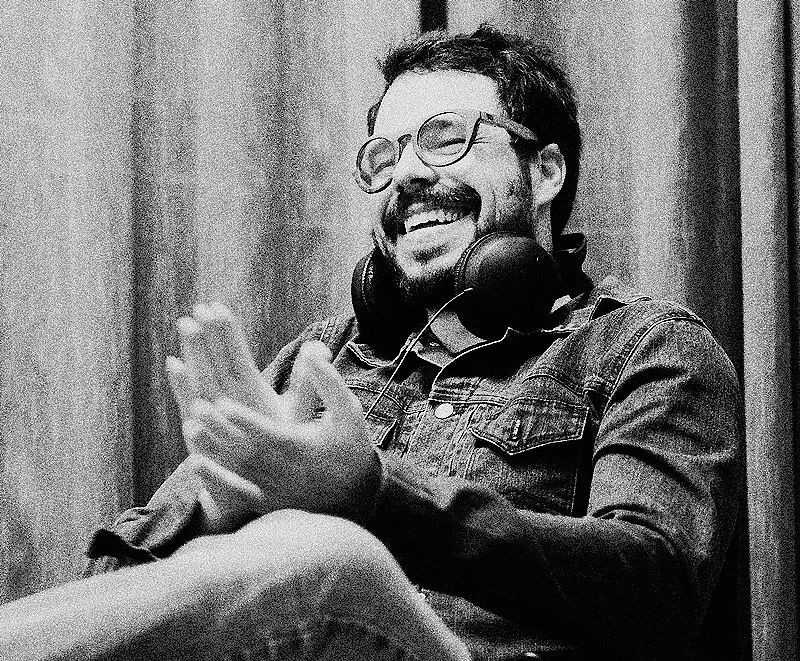
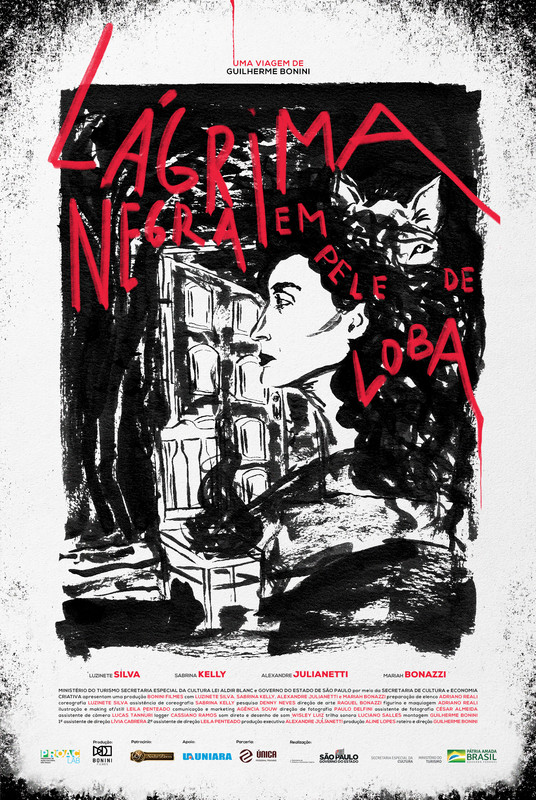
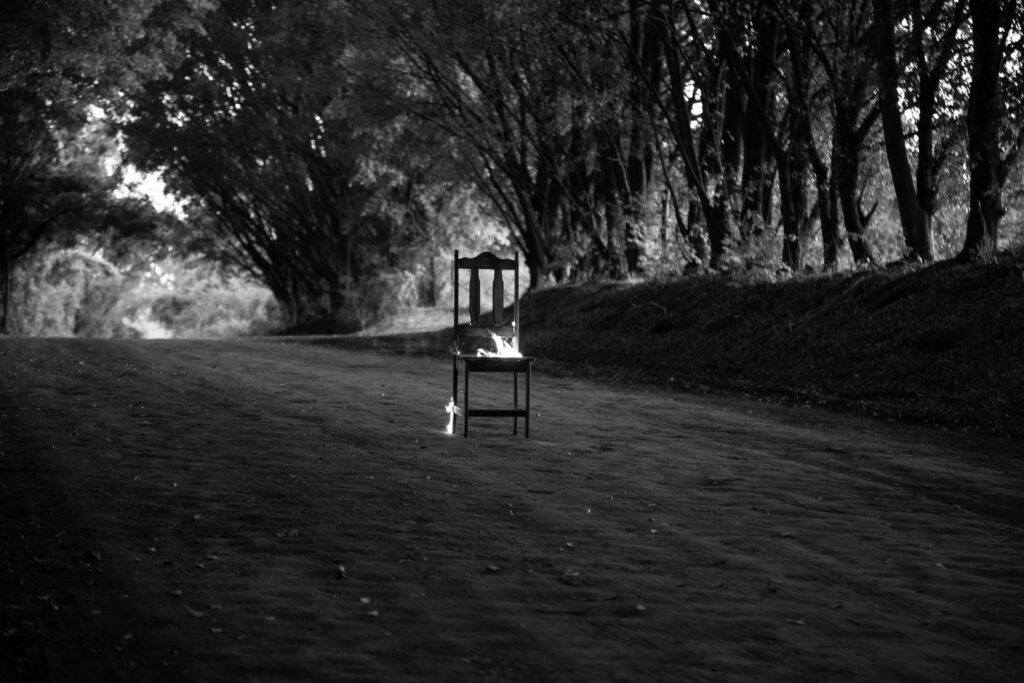
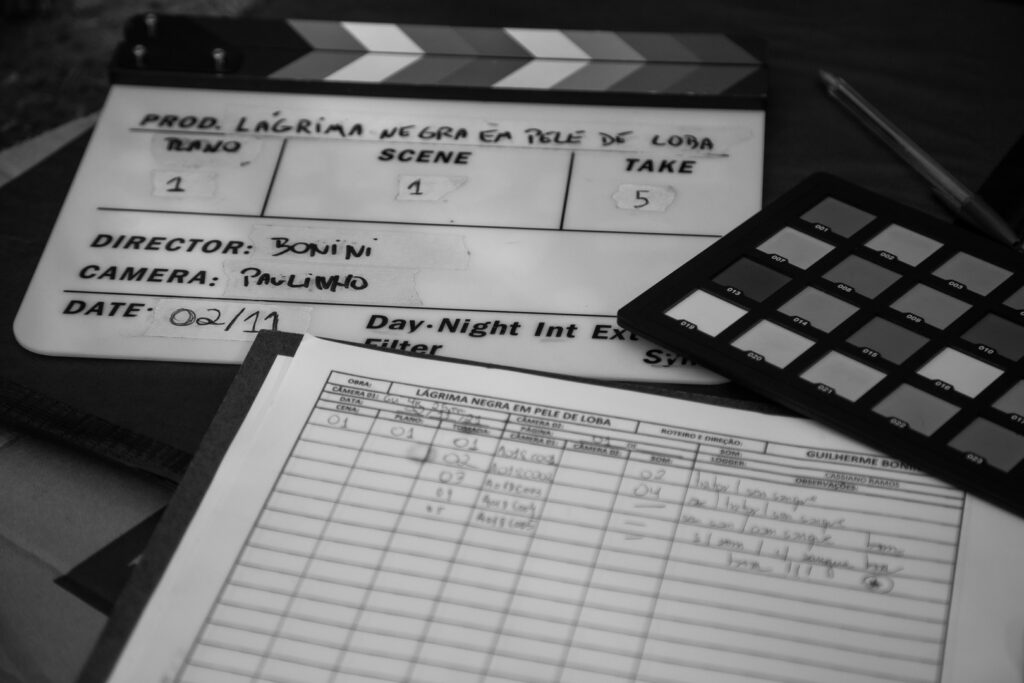
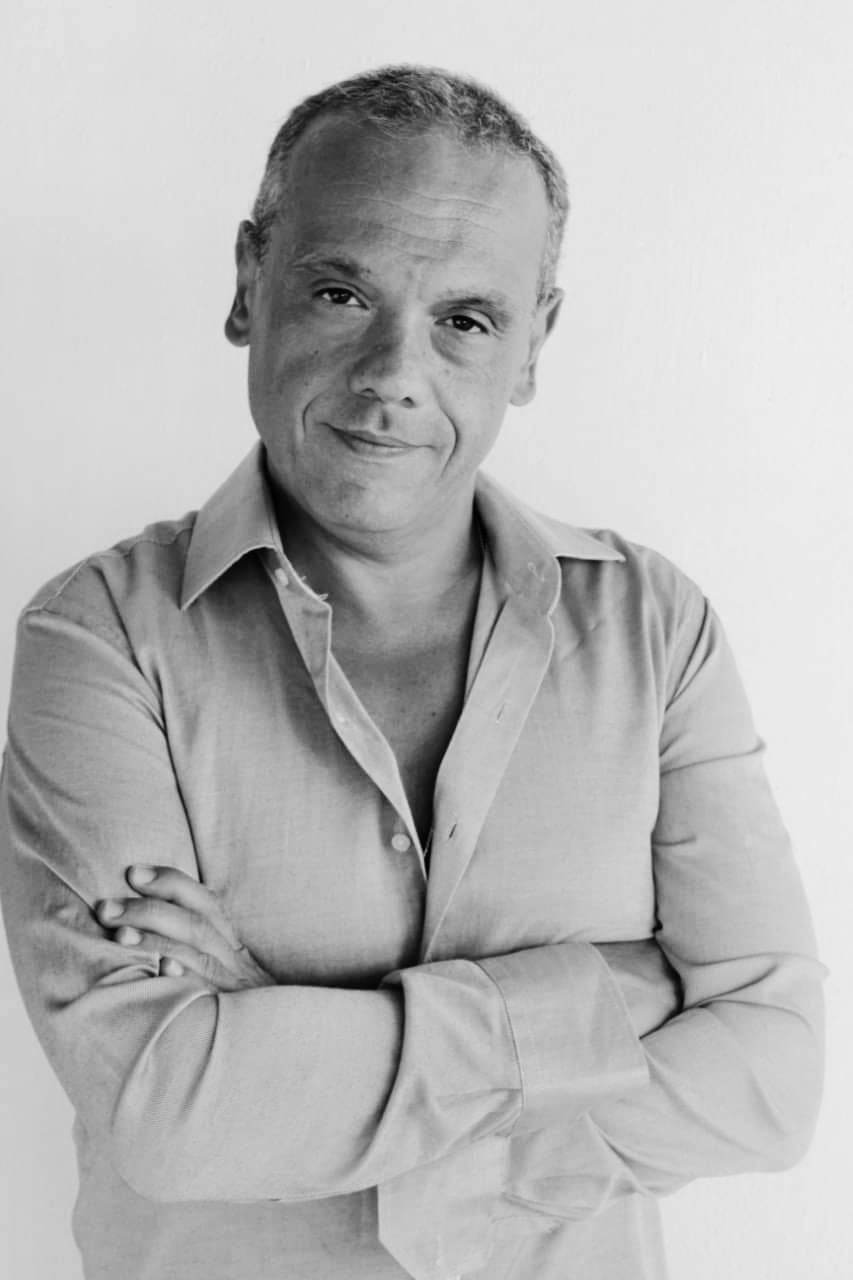
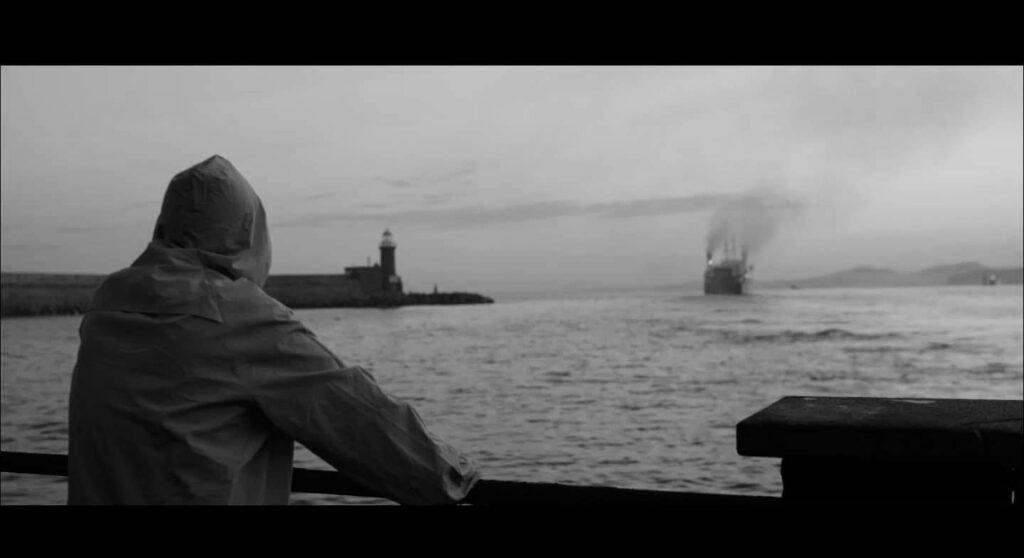
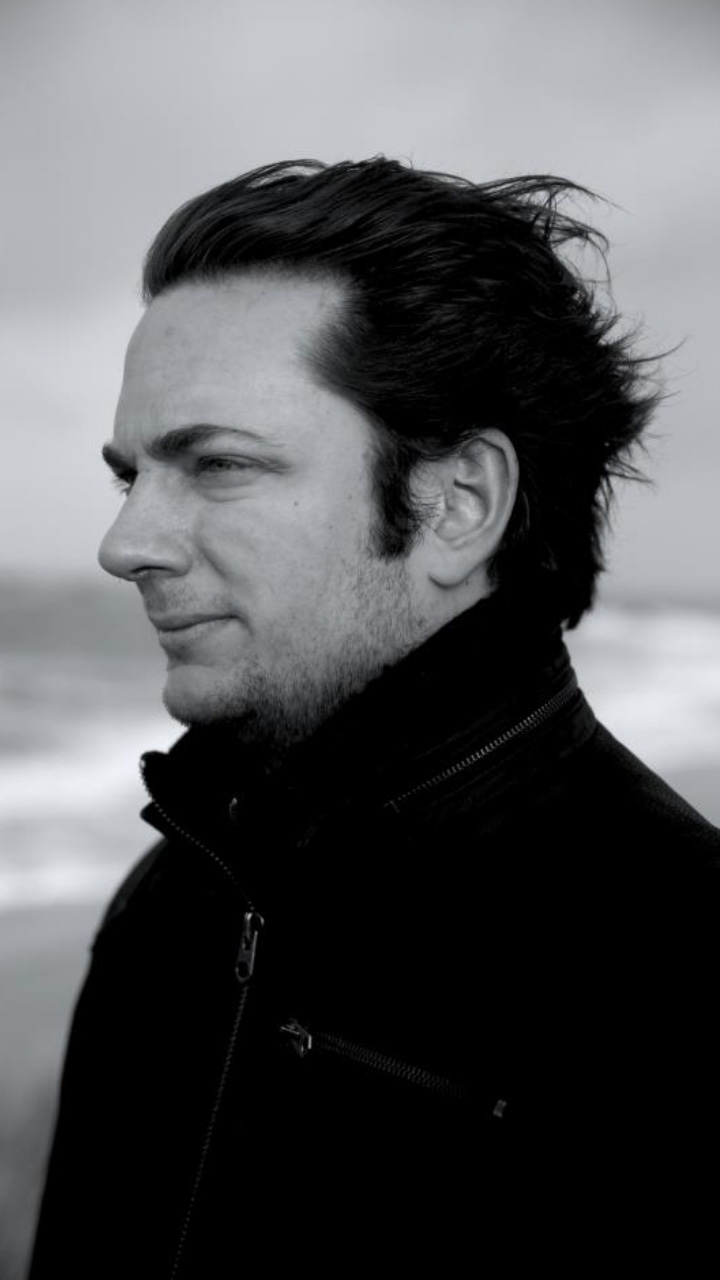
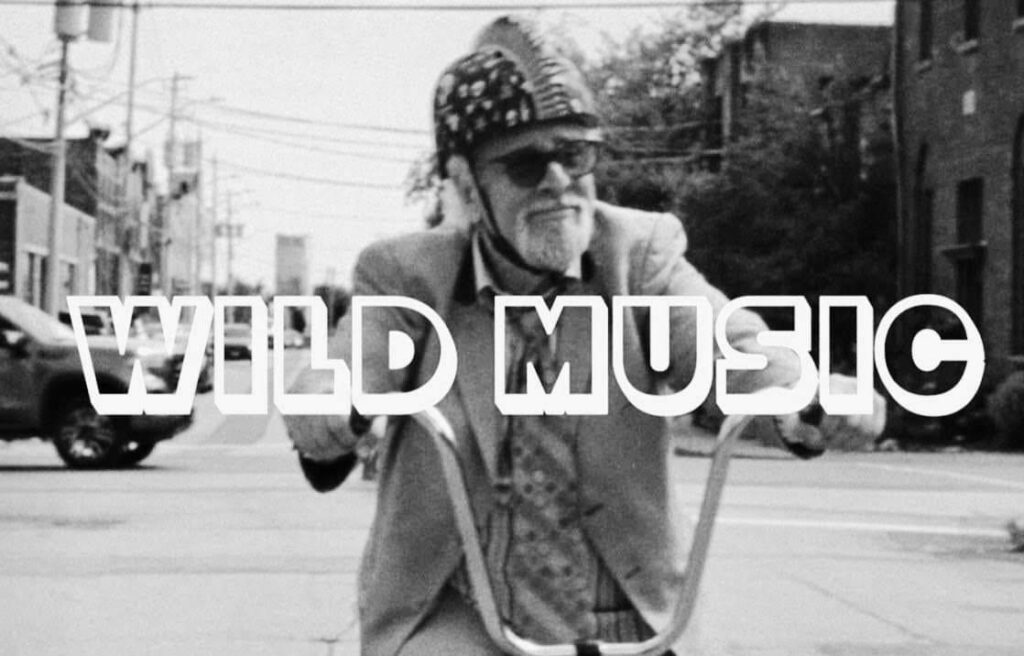
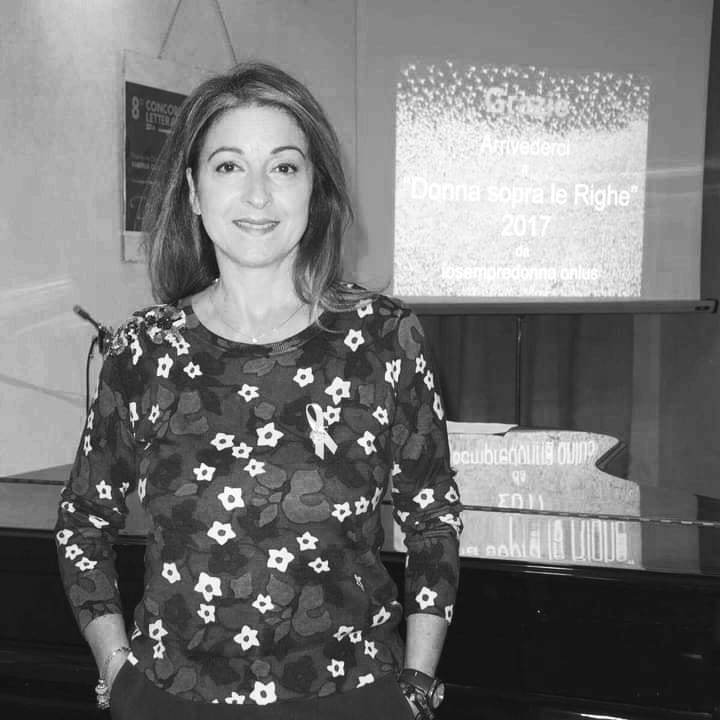
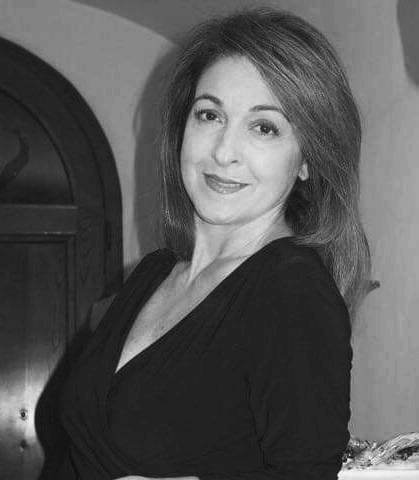
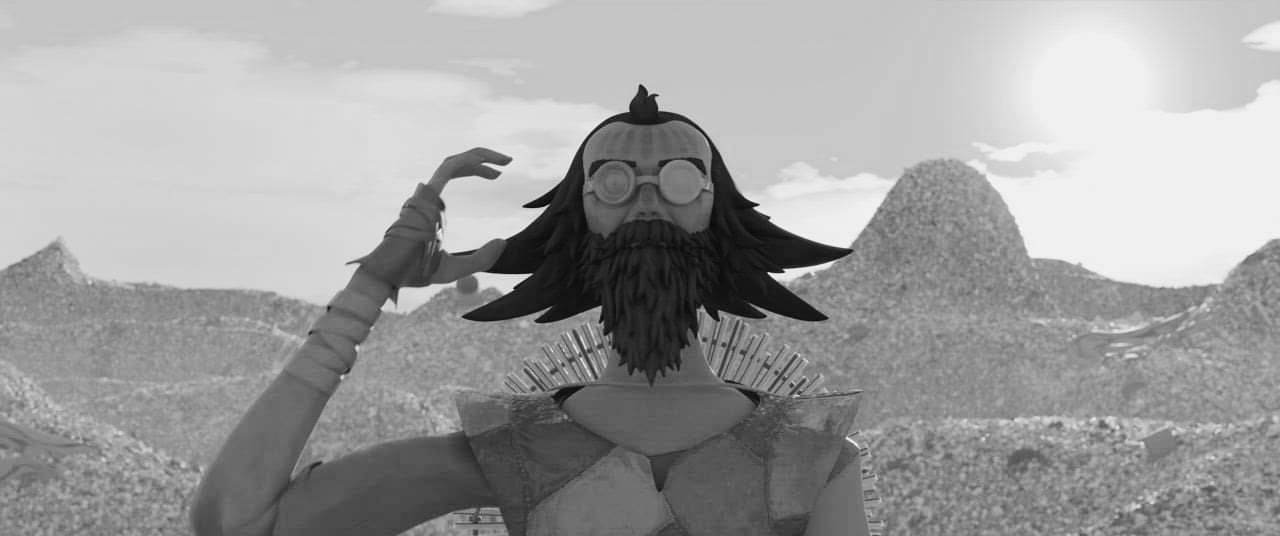
Guilherme Bonini was born in 1981, São Paulo, Brazil. He lives inland, in the city of Araraquara. He obtains academic training as a doctoral student in cinematographic script by Unesp – FCLAr and master in image and sound in cinematographic narrative by UFSCar. Director, screenwriter and independent editor and active in areas such as producer and director of photography. He created the independent production company Bonini Filmes in 2013. Awarded for works exhibited in Brazil, USA and Europe, he has been seeking to create an innovative cinematographic language in short films, promoting the local community, economy and following a cultural policy of equal rights, diversity of gender and social inclusion across the entire production team.
-What inspired you to become a filmmaker?
The real life. When I was little, I was able to experience my transformation when I saw and heard for the first time the materialization of dreams through image and sound in cinema. Since then I’ve been trying to get to know myself, experience and impress my extraordinary universe through the window of my soul of what I hear and see in my ordinary life.
-Do you think the cinema can bring a change in the society?
Cinema has the power to transform lives. It is the art of composing and making films intended for cinematographic projections. Films are capable of generating a great impact on people beyond emotions and feelings. Being possible to represent, demonstrate and experience the most diverse situations and problems of what exists of relevance in the universe and still discover what can exist, by imagination, beyond it. Through the films, people can experience, reflect and evaluate, in a critical way, their representation of rights, promoting thinking about their own choices in their paths through life.
-What would you change in the world?
Nothing for now. I’m still learning from the world by knowing myself.
–Where do you see the film industry going in the next 100 years?
I see the film industry beyond itself, capable of proposing a transcendental journey, through an immersive projection that is capable of taking dreamers to live stories beyond the physical, taking them to a level that reaches a spiritual film form.
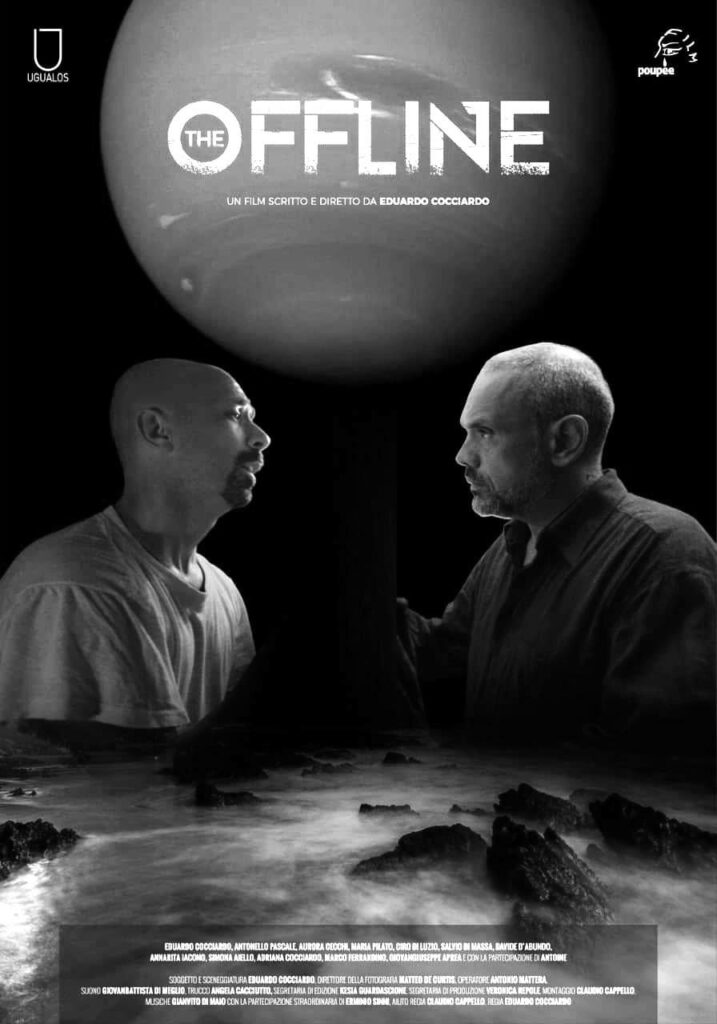
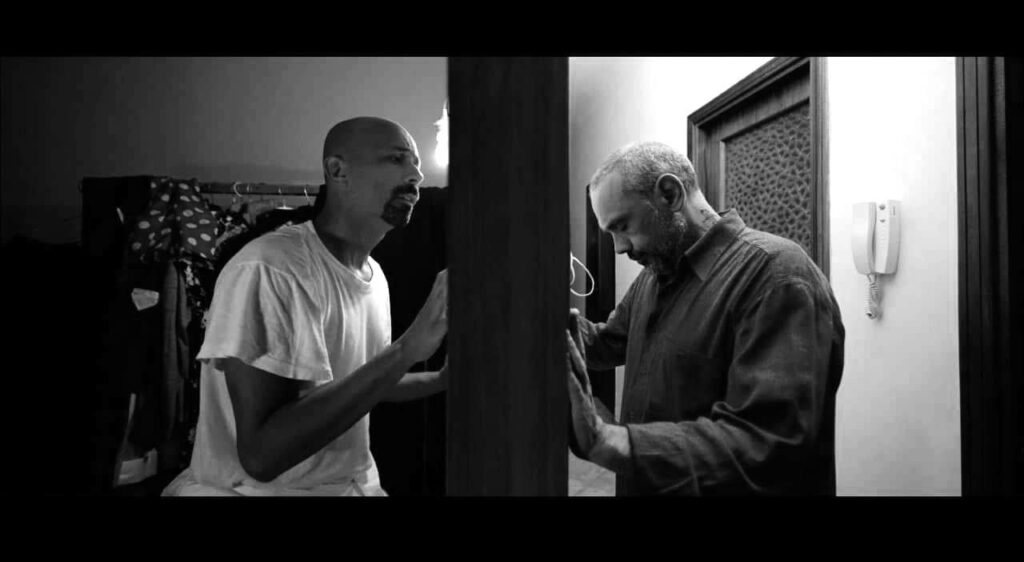
Eduardo Cocciardo is a writer, director, actor, and teacher born on the island of Ischia, in the province of Naples, in 1975. He has been passionate about writing and acting since he was a child. He approaches the cinema for fun, trying to make his first short films at home, mostly inspired by his adolescent tales of terror. It is the university experience in Siena, at the Faculty of Modern Literature, Music and Entertainment, that brings him professionally closer to the theater, which from that moment on will become a faithful travel companion. In 2005 his first publication arrives, an essay dedicated to the genius of Massimo Troisi, L’applauso interrotto – Poesia e Periferia nell’opera di Massimo Troisi (Non Solo Parole edizioni), partly inspired by his university thesis. Later on, Cocciardo published four novels: Alice Fuori dal Paese (Non Solo Parole Edizioni, 2007), Neve Bianca (Albatros – Il Filo, 2010), Gli Alfabeti della Morte (Edizioni Arpeggio Libero, 2016), La Rosa di Gerico, viaggio alla fine del Tempo (Edizioni Arpeggio Libero, 2022). Recently, in addition to teaching literature and acting, he has decided to devote himself almost entirely to cinema: after a successful horror comedy trilogy, made up of the short movies La Mezzanotte Bianca, La Mezzanotte Rossa and La Mezzanotte Blu – the latter selected for the Short Film Corner of the Cannes Film Festival 2018, he returned to feature film – after Assemblé, filmed in Arezzo in 2006 – with The Offline, a completely independent work that received a lot of awards at some of the most prestigious international festivals, and was included in important streaming platforms such as Chili and Indiecinema.
-What inspired you to become a filmmaker?
Obviously, becoming a filmmaker was the dream I had as a child. Over the years, however, my dream became bigger: I wanted to extend the capabilities of writing beyond the limits of paper. I saw in the cinema an expansion of writing, not so much in a strictly productive sense, because it is undeniable that, with the costs of a film, it is much easier to free the imagination in a narrative elaboration, but rather in the possibility of sharing my imagery with others, first with the crew, and then with the audience. Today I can provocatively say that when I write a story, I work on the film that it will never become, and when I make a film, I work on the story that never was. The artistic goal is the perfect interconnection between these two levels, writing and cinematographic vision, where theatre has also to be included.
-Do you think the cinema can bring a change in the society?
Unfortunately, today we are living in one of the lowest cultural phases in the history, especially in my country. Compared to the past, the possibilities that a piece, either cinematographic or theatrical, can influence the socio-political fabric, are truly reduced to a minimum. However, it is the duty of filmmakers from all over the world to continue to believe in it, otherwise the very meaning of making cinema would be irreparably lost. Independent works, by their very nature, have always fought for a change in reality, and have often pushed language beyond its limits, allowing cinema to experiment and renew itself. Therefore, independent productions have a duty to continue to analyze contemporary reality in the most authentic way, trying at all costs, with festivals, platforms, theaters, and even with private screenings, to reach the hearts of viewers.
–What would you change in the world?
What would I change in the world? A lot of things. Starting with the fact that the power of a few is considered now democracy.
-Where do you see the film industry going in the next 100 years?
The risk that in the next hundred years the film industry will turn almost exclusively to virtual and extremely conventional products is real. The greatest danger, in my opinion, is a total flattening of the narrative, which could end up telling always the usual two or three stories remodeled on occasion, something that it’s already happening. I repeat that the only way to fight this risk is to give maximum prominence to the authenticity of independent cinema, and finding new market solutions at the same time.
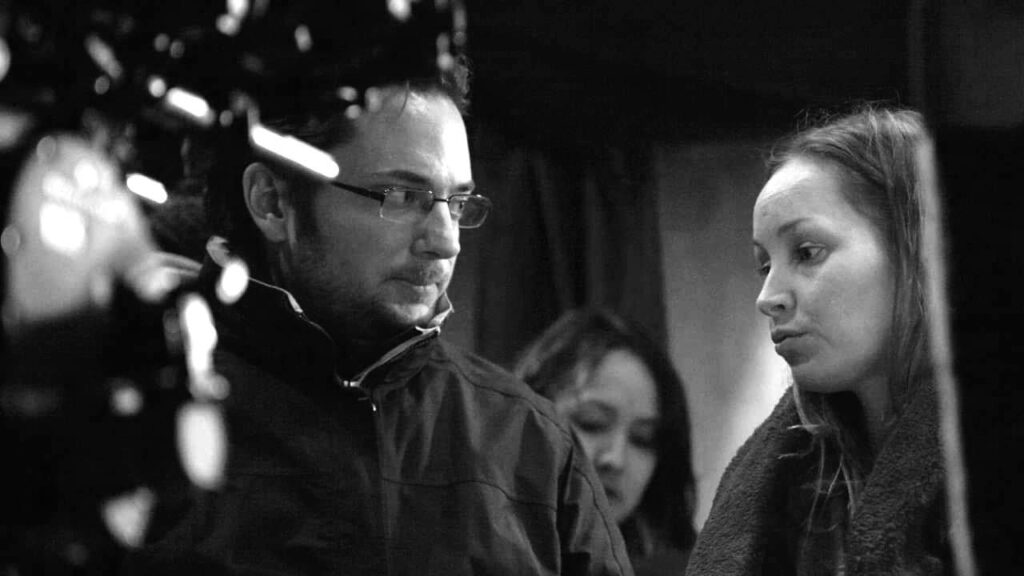
I’m a french director/editor/VFX artist who’ve been working in the industry for 15 years. I mostly work as a movie trailer editor and have made trailers for films such as A Prophet (Jacques Audiard, 2009), all Gaspar Noé’s films since Enter The Void (2009) and more recently Boy From Heaven (Tarik Saleh, 2022) or the French trailering campaign for Dune (Denis Villeneuve, 2021).
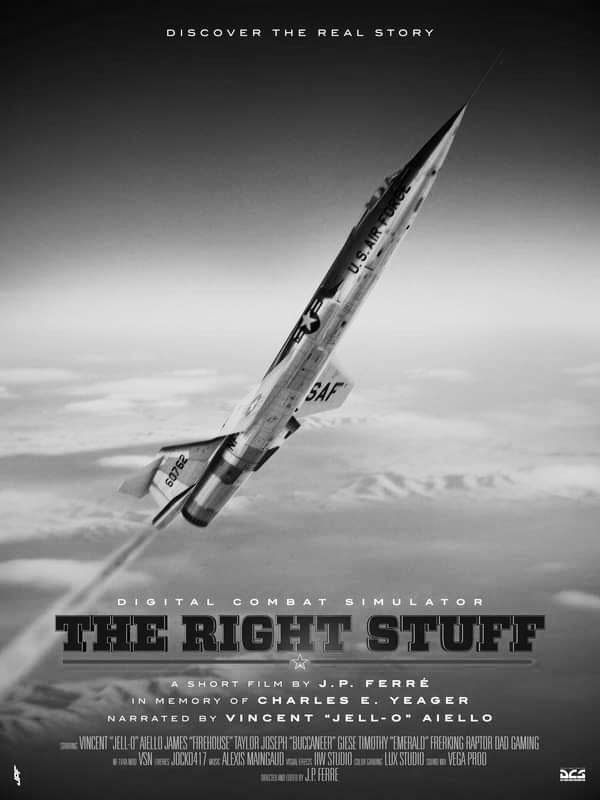
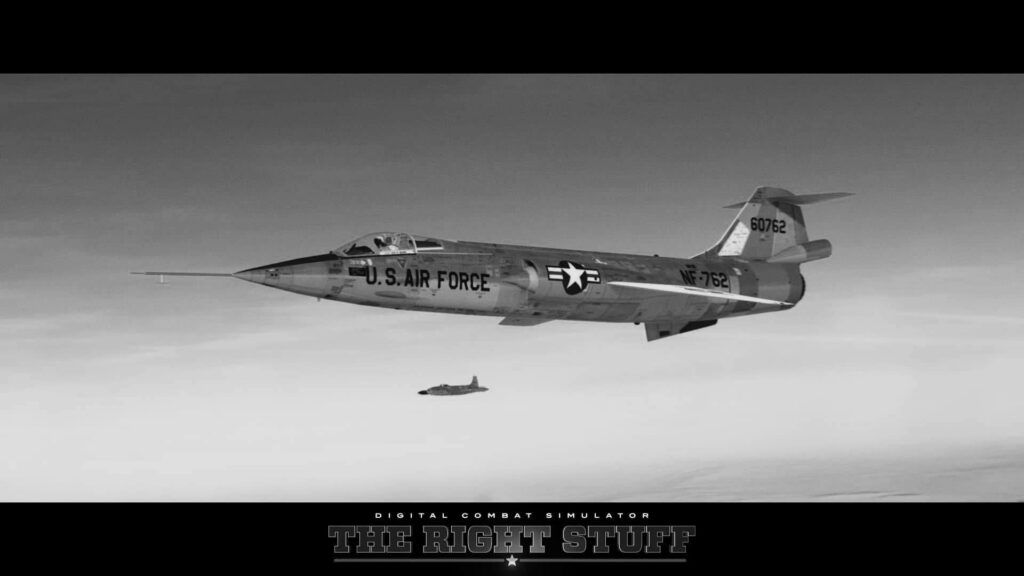
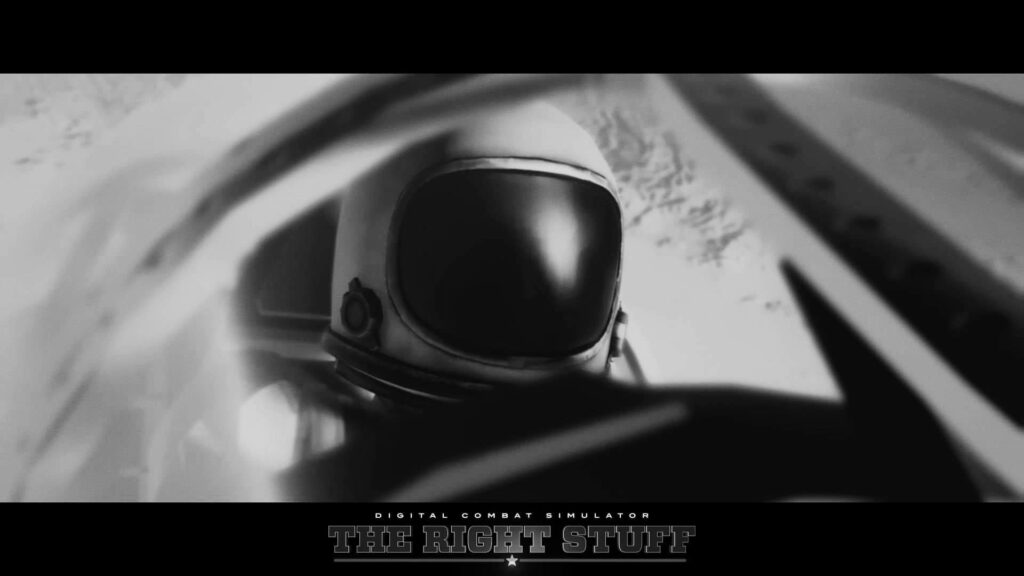
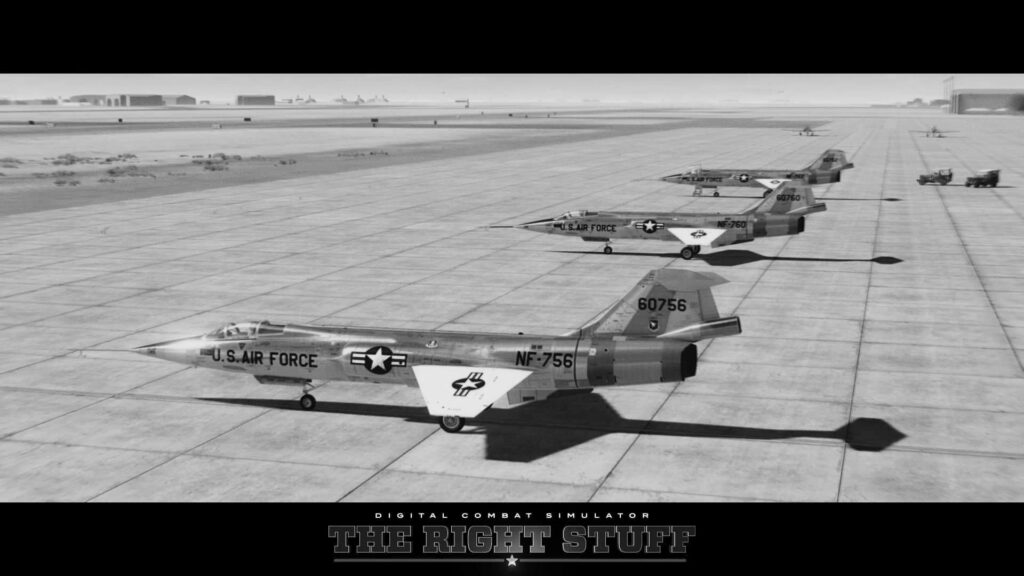
I directed several short films. Entity (co-directed with Andrew Desmond, 2014) was the first french short to be mixed in Dolby Atmos. Another live action short called 3:36 (2016) is my most personnal project to date. Also, using in-game footage from Digital Combat Simulator by Eagle Dynamics (DCS World) and in addition to DCS: The Right Stuff, another short called the DCS: The Ghost (2020) is the most viewed DCS World film on YouTube (+5,6M views in January 2023).
Today, I’m associated with IIW STUDIO-LUX, a post-production company, and I’m in the writing process of my first feature film produced by The Project.
-What inspired you to become a filmmaker?
I guess I owe my grand-father and father my passion for cinema, as they both showed me a lot of movies since my very early age. Western or noir films with one, sci-fi and drama with the other.
I always enjoyed telling stories to others using moving pictures, either they’re animated drawings, captured frames on film, digital or whatever. There’s something unreal about it when you think about the process. Like many filmmakers have already said before, it’s like entering a dream. He can be an escape for some people, and I like the idea that I can be the hand to take for starting a journey.
-Do you think the cinema can bring a change in the society?
Yes, of course it can! Because, as filmmakers, we have this precious gift of being able to present an audience new perspectives. We can make them change their point of view on the world, on people, with picture and sound. We can make them understand the feelings of someone’s happiness, oppression or relief. That’s a powerful tool to inspire and help being more open-minded, something we all desperately need these days.
–What would you change in the world?
To me, any change starts on a personnal level. It’s being more aware of what’s happening around the world. Only then, we can start working together and make things better. So, I’d say I simply wish most people, world leaders above all, need to be more focused on communication and cooperation, more than selfishness, greed and power.
Maybe what I would change is to make us all stop looking down on our phones, pictures of ourselves, counting the followers, etc. and start looking up again, towards the person next to us, towards what’s above us, towards tolerance and progress.
-Where do you see the film industry going in the next 100 years?
The world is moving so fast, I’m not sure anyone could predict how the film industry will
look like in a century from now… With all the new digital innovations that start to emerge on the horizon, I would guess that virtual and augmented reality will take a much more important place in our lives and in the way we make films and watch them, definitely.
But, to me, shall our civilization fall or be reborn, the only thing that will never change is our need to tell stories, not only with motion pictures, but through all forms of art.
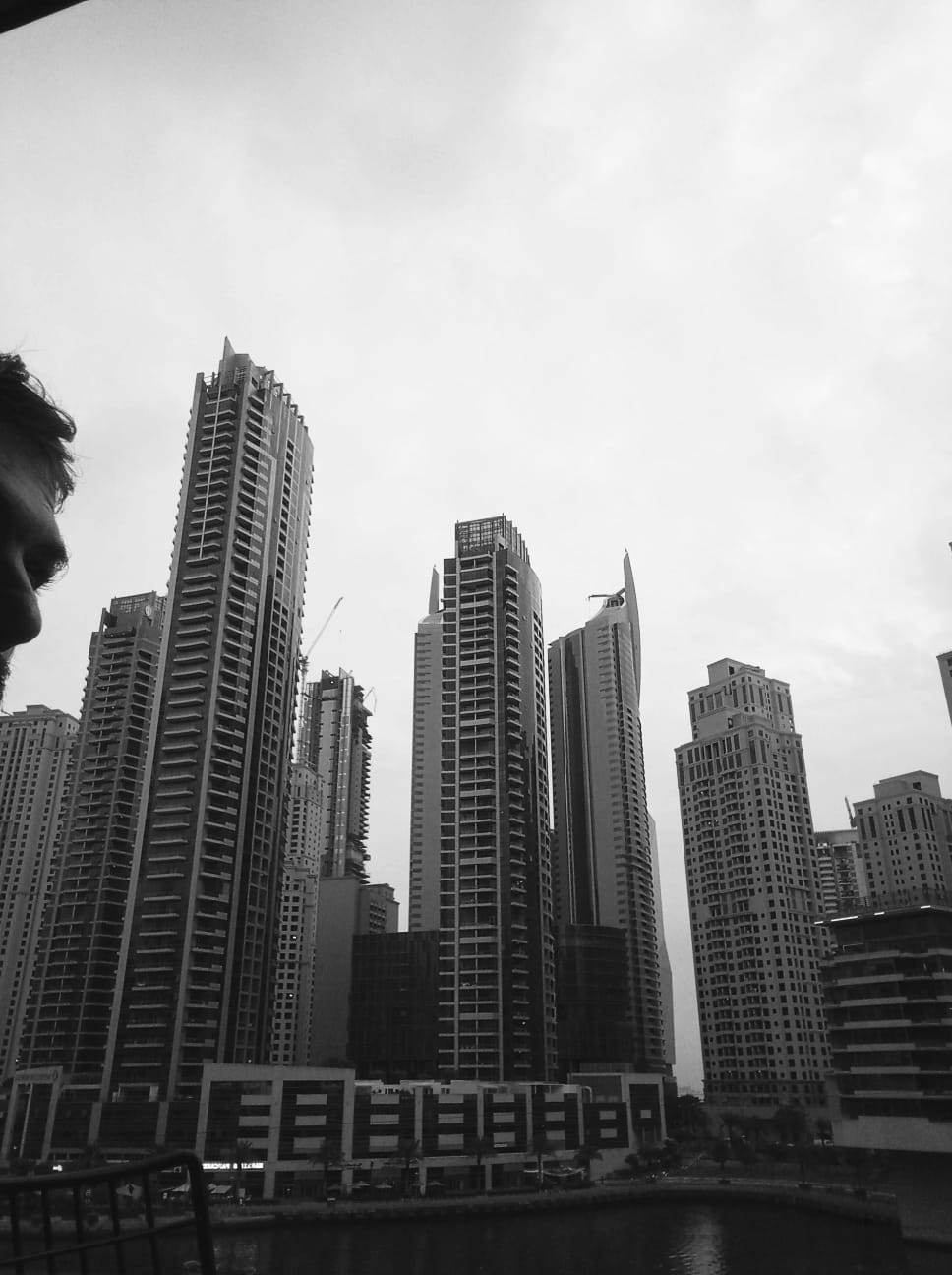
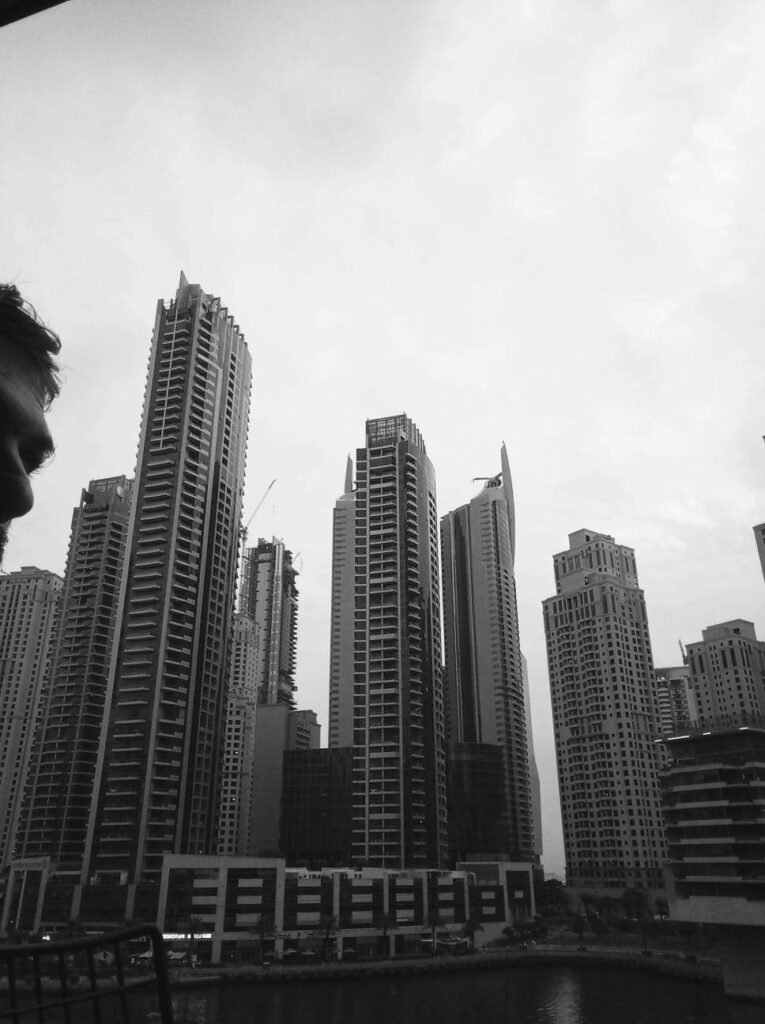
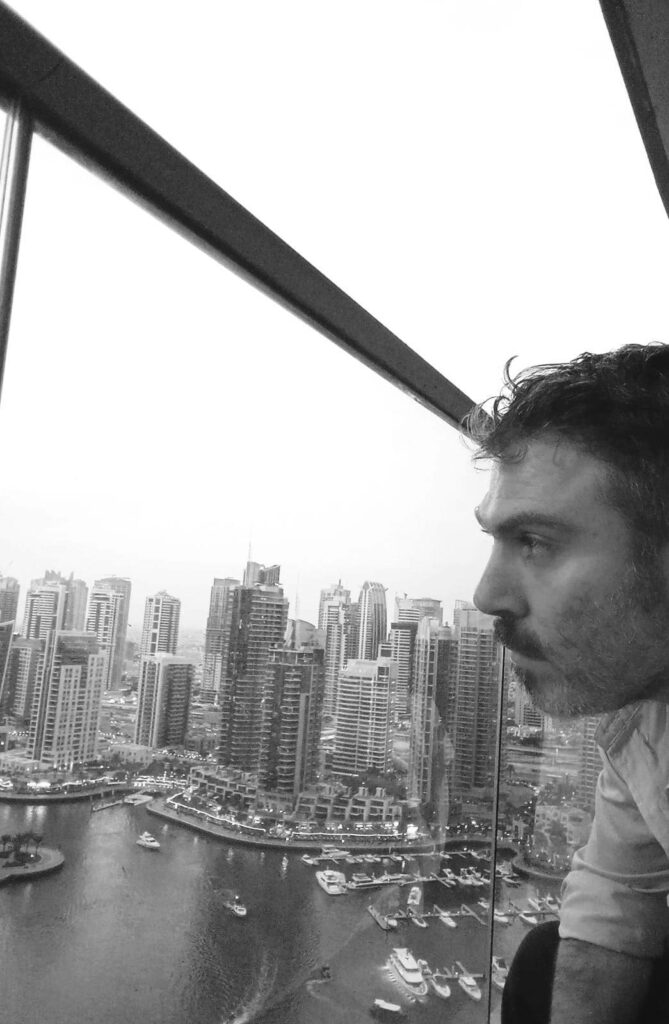
Wild Filmmaker will be the media partner of the Special Event in Dubai organized by the 8& Halfilm Awards. A festival that in 2022 had a high record of submissions with more than 2200 projects from moviemakers and screenwriters from all over the world. Choosing Dubai for the venue is not a random choice. We can summarize Dubai in three words: “Future. Dream. Metropolis“.
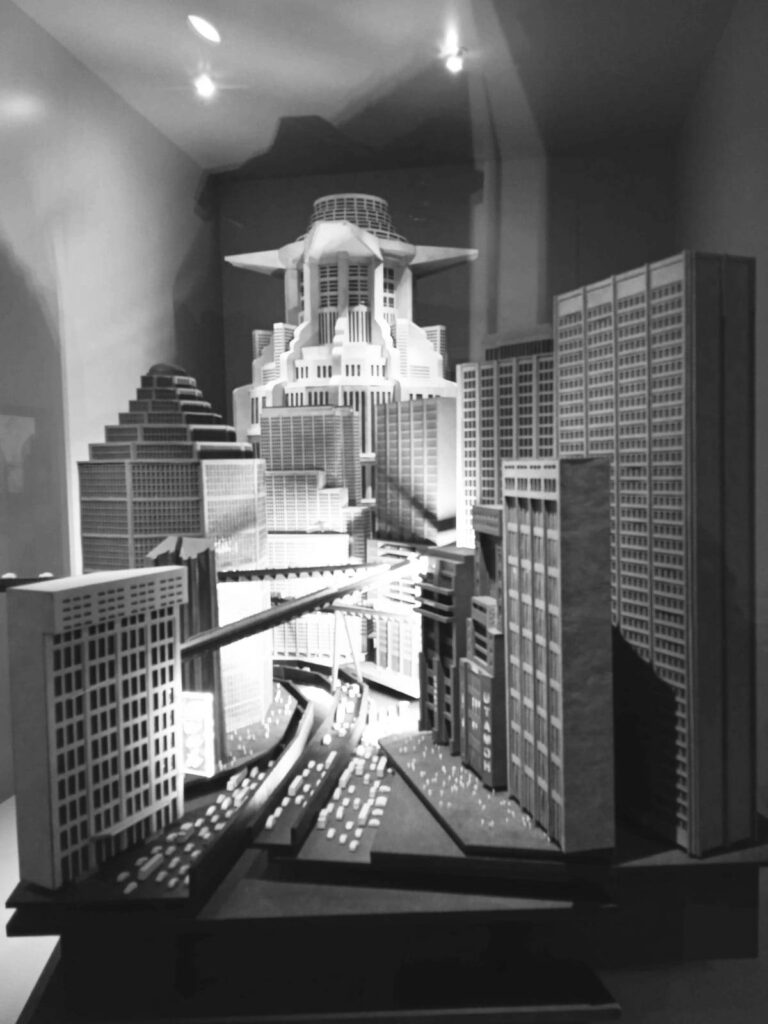
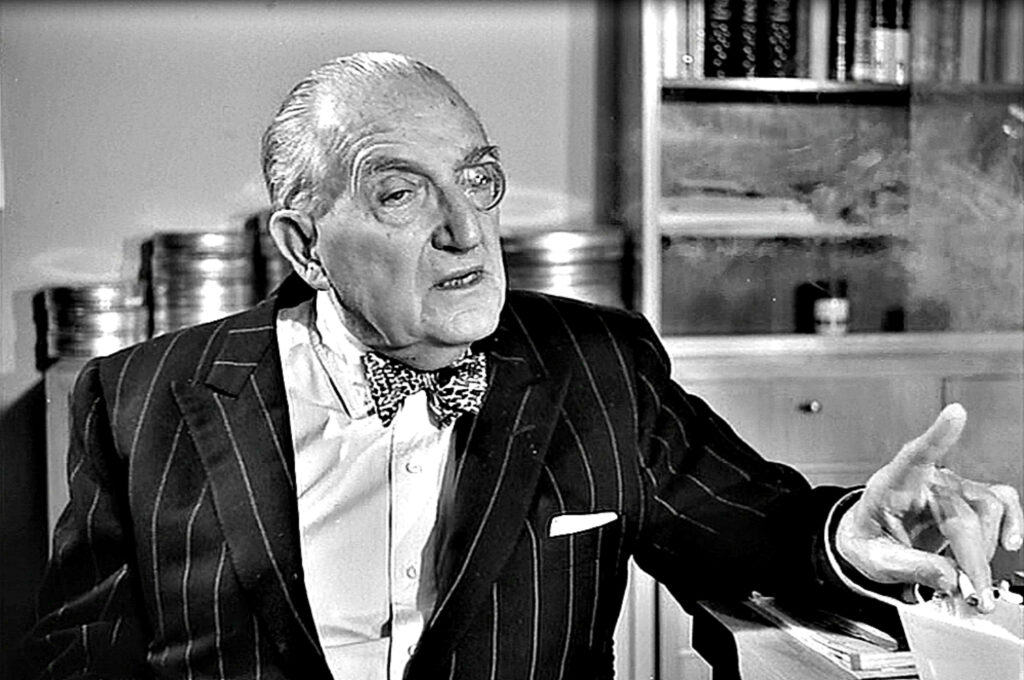
If the first two are easy for everyone to understand, the third word needs an in-depth analysis because it is the title of a masterpiece movie directed by Fritz Lang in 1926. Working as a producer, I have wondered many times if cinema has the ability to predict the future. I can answer this question with Metropolis, where we see a city similar to Dubai.
Fritz Lang was inspired by New York, which he visited a few years before making the legendary movie, to create Metropolis architecture. But by rewatching Metropolis today and visiting Dubai, I feel like I’m walking in the city dreamed of by Fritz Lang. This perception made me think about how important it is for a filmmaker to have the courage to tell the world in an original form, never seen before: because cinema offers this expressive opportunity.
I wish good luck to all the Directors and Screenwriters who will participate in this extraordinary event and say to you: “Continue to shoot and write free and independent movies without ever putting limits to your imagination! We live in the post-cinema era, where a director can create his project and show it to the entire world. I love globalization because it is the closest thing to democracy.“
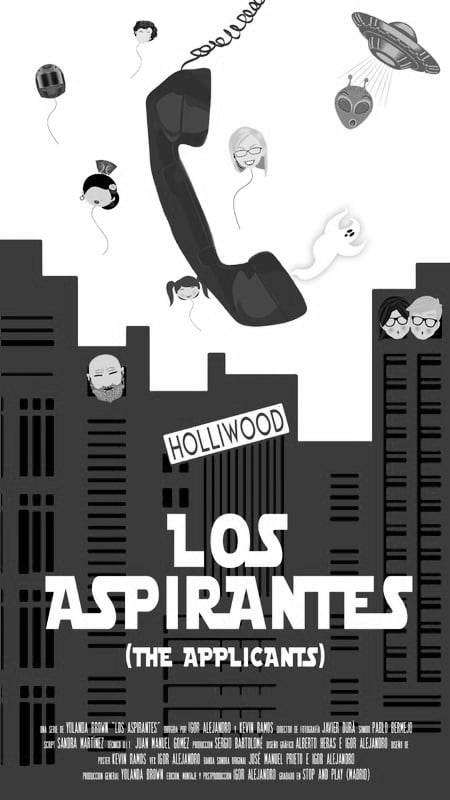
Yolanda Brown Melián was born in Tenerife, Spain. She had studied English at university in ULL and a master in Classical Theatre in Madrid. She worked as a translator and interpreter in English, Spanish and Italian languages. She also has worked as a Tv presenter, and she had roles in different films and soap operas. She is finishing a PhD in Literature at the UAM university in Madrid. She also writes in her free time, and she has finished the script of a Tv pilot for Tv series. Los Aspirantes -The Applicants- is a fiction comedy. She decided to produce it despite Covid struggles. It was hard to finish it due to Covid restrictions, but in the end she could with the help of friends. To be a filmmaker and a film director at the same time it wasn’t an easy task, so she directed it together with Kevin Ramos who is a very good one.
-What inspired you to become a filmmaker?
Since I was little, I wanted to be an actress because you could be whoever you wanted to. If you wanted to be a lawyer, a detective, an astronaut…you could be all of them. Later, I started writing poems and short stories. I studied English Literature and now I’m finishing my PhD in Postmodernism. One year before the Covid lockdown I decided to write a comedy and film it. For me now, it is better being a filmmaker as you can decide how to film a story. Imagination is the key.
-Do you think the cinema can bring a change in the society?
The cinema can bring many changes in society. Every single person can feel a connection with a character. So, depending on the story, all of us can be in the shoes of the protagonist and the way round. Connection with the roles and the story.
-What would you change in the world?
We need to change the approach of things. To be in the shoes of others will probably make things go better.
-Where do you see the film industry going in the next 100 years?
That is a long journey, but as I see how things are going many things are running towards the experimental films. To innovate, to create, to shock the audience. To find new ways to draw the audience´s attention.
I am a writer/director/musician/producer/broadcaster/artist who has worn many hats over the years. Over 20 years on radio and as an international tour guide; an art gallery curator, a television host, party planner, band leader (dozens of albums), singer-songwriter and author of three books. Now…I am adding filmmaker to my resume!
–What inspired you to become a filmmaker?
I have directed TV commercials and music videos for years. I’ve always wanted to make films and wrote several scripts during Lockdown. I found investors who shared my vision and wanted to help me get started. I feel triple-blessed because at this early stage in my career I can write and direct my own stories; create music with my friends for the soundtrack and hire other friends as cast and crew. Living the dream! Producing and directing is hard and involves so many different people – that’s why I love it so much!
-Do you think the cinema can bring a change in the society?
Absolutely! In my case, living in Canada and being so lucky in life – I am compelled to tell positive stories that contain humour. I think not having an edge is truly edgy these days! We all need a little escapism in this life and there is so much negativity these days! I hope my stories inspire people to be kind and open-minded toward each other. Viva la Difference!
-What would you change in the world?
What would I change? That seems like a daunting question. What I believe I CAN change is people’s prejudices …through art, music, comedy…all the things I employ when telling a story in fim. Ageism, racism, sexism and so much more…humour can point a finger and make subtle changes in society!
-Where do you see the film industry going in the next 100 years?
The music business is broken. The film business is still surviving – if not thriving – and I think Independent Film will grow more and more, to offset the hundred million dollar CGI Hollywood films. There is enough room for everyone in this business and I think boutique theatres will become commonplace.
I was born in London from Italian parents and have been fond of Cinema for all my life. I worked as a Sale Manager but carried along my lifetime passion which is for writing, books, poems but preferably Screenwriting for Cinema. I have achieved some interesting results either in Italy but also in the USA and this gives me the strive to continue to pursue my dreams.
– What inspired you to become a screenwriter?
I have always loved movies but the turning point was some years ago when I attended a Screenwriting course in Florence and the passion in which my mentor put on explaining the art of writing movies made me want to be part of that world.
– Do you think the cinema can bring a change in the society?
Yes indeed, cinema has a strong responsibility especially among young people which by going to the cinema are influenced by what they see and hear. Thus more and more producers are becoming sensitive to what they choose to bring on the screen and this is very positive that is why we must attract ever more young people to the cinema.
– What would you change in the world?
Well there are many things to change in the world but concerning cinema I believe that being considered as an Art it should be studied more at school bringing the new generations to fall in love with it.
-Where do you see the film industry going in the next 100 years?
I believe that cinema as we know it will no longer exist in 100 years, I mean I don’t think there will be movie theaters where people will gather, instead they will have a visual screen device on their heads that will enable then to see all the films they want at home on their couches. For this reason the film industry will still be needed but of course the subjects covered will be different than nowdays.
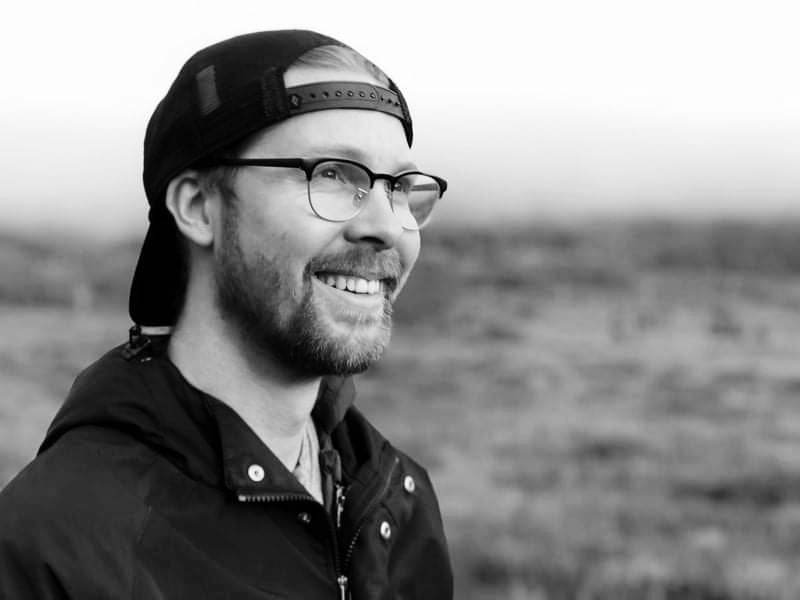
I am a family man from a coastal town in Norway, where I have worked as a freelancer in the Norwegian film industry for the last couple of years. I have always dreamt about writing and directing my own movies. Storytelling has always been a part of who I am, in one way or another.
I believe if you work hard and never give up, anyone can achieve whatever goal they want, no matter where you live.
–What inspired you to become a filmmaker?
My inspiration for becoming a filmmaker comes from many sources. In the start, my interest in film and storytelling was just for myself. I was convinced that to get through life, you needed an honest trade, and I started at a vocational school to become a mechanic. It turned out that was not for me. When I did poorly at school, my parents pushed me towards an education in media, which later evolved into a bachelor’s in film and tv-production.
The first and biggest inspiration that established my love for cinema and storytelling came at a young age. When my best friend and I got our hands on a VHS tape of Jurassic Park, snuck down to the basement and sat glued to the screen of an old box-tv. That was it for me. I was hooked. There was no turning back.
Movies became a way to experience the world, all its cultures, and splendors, a way to explore the human mindset, and in some ways, find myself and who I wanted to be as a person.
–Do you think the cinema can bring a change in the society?
Film could influence our thoughts and the way we view different problems and subjects. Film can create and change ideas, affect emotions, and enhance our opinions.
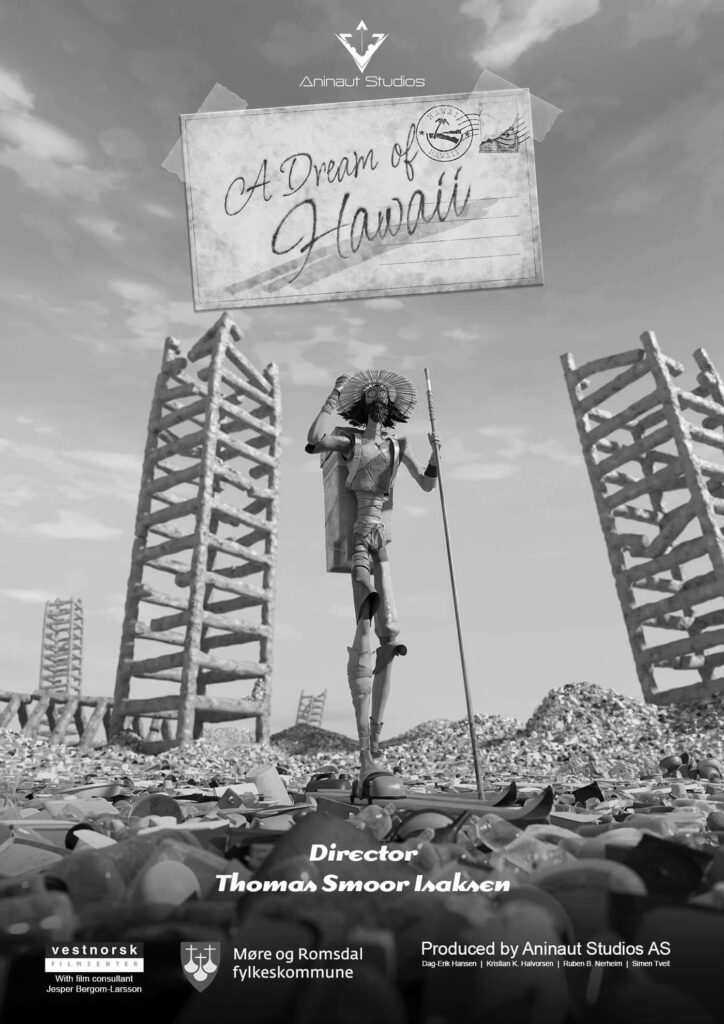
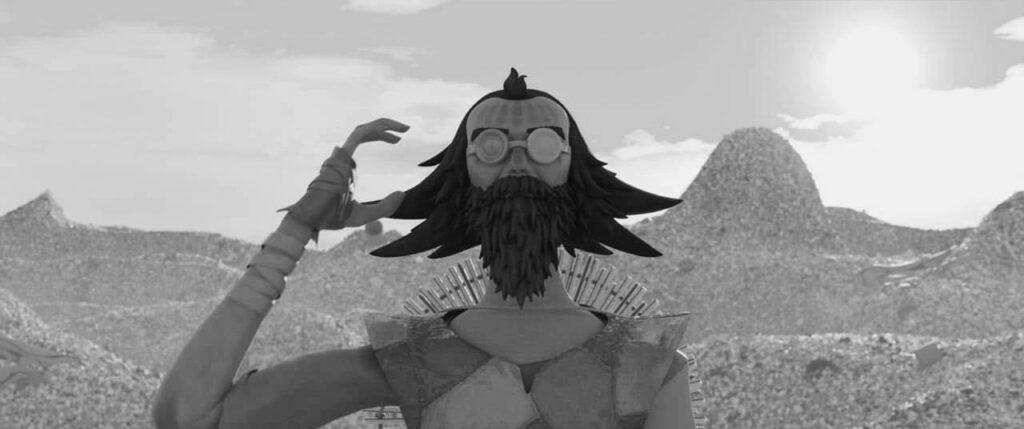
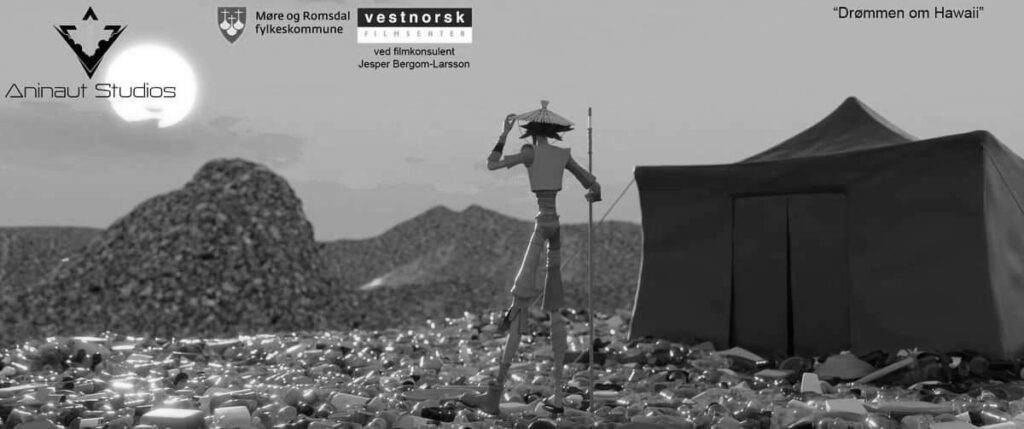
Every artist is looking for change in their art, be it big or small. In my short film “A dream of Hawaii,” I wanted to say something about the plastic pollution that is happening around the globe. From a young age, I have always been a fan of the fantasy and sci-fi genres and wanted to make my movie in those frames. This laid the foundation for a film set in a universe where everything was covered in plastic waste. The movie became a somewhat abstract picture of human frivolity and showed the environmental problem stretched to the extreme. With my movie, I wanted to create a debate around the plastic pollution we face today.
–What would you change in the world?
The egoism that is embedded in society is something I would change in the world. How people, businesses, and countries, often think about their best interest over that of society. I believe we must begin to help each other on a fundamental level. Also, we need to become more aware of our overconsumption and its effect on our world.
I would change how humans seem unwilling to see how our actions impact everything around us for generations to come. As my film “A dream of Hawaii” touch on, plastic pollution severely impacts our oceans and wildlife. Even though many great initiatives are taken to clean up our nature, there seems to be a surplus of people that don´t care. No matter what we believe, we must stop searching for differences in each other and start working together as a unified planet.
–Where do you see the film industry going in the next 100 years?
Where the film industry is going in the next 100 years is anyone’s guess, there is no doubt that humanity loves emerging into a well-crafted story, but what form that will eventually evolve into is something no one can predict. There is no end to ingenuity.
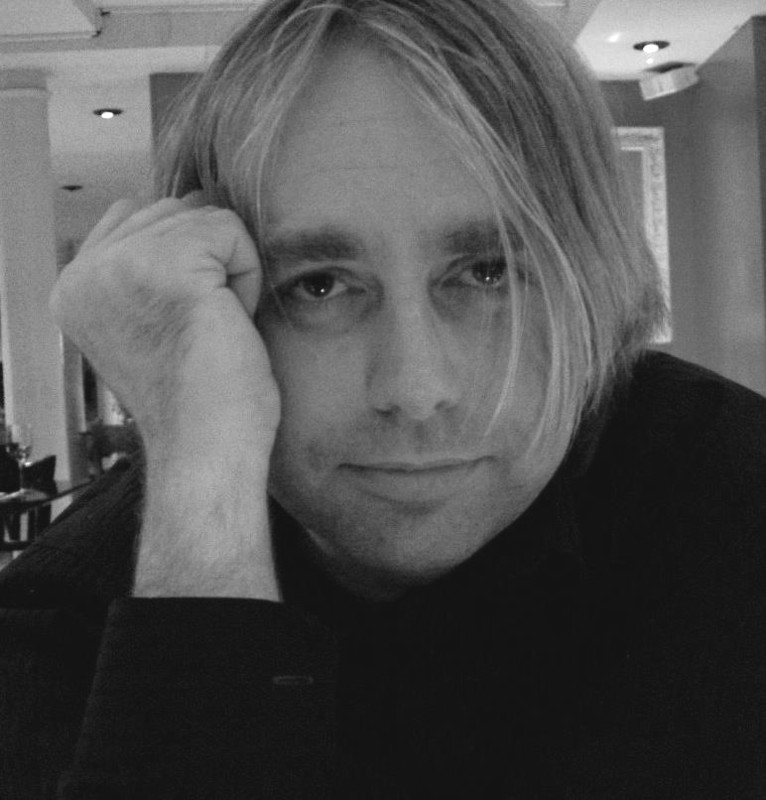
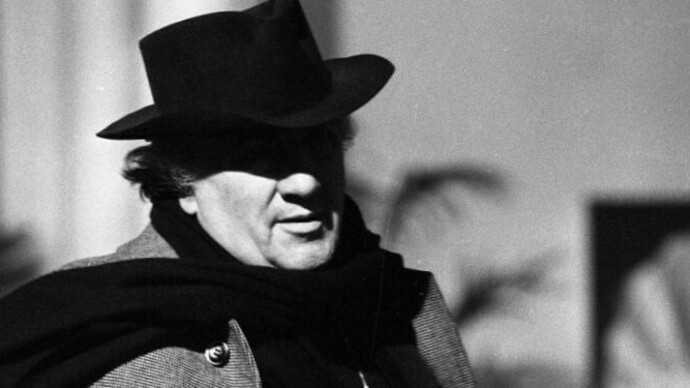
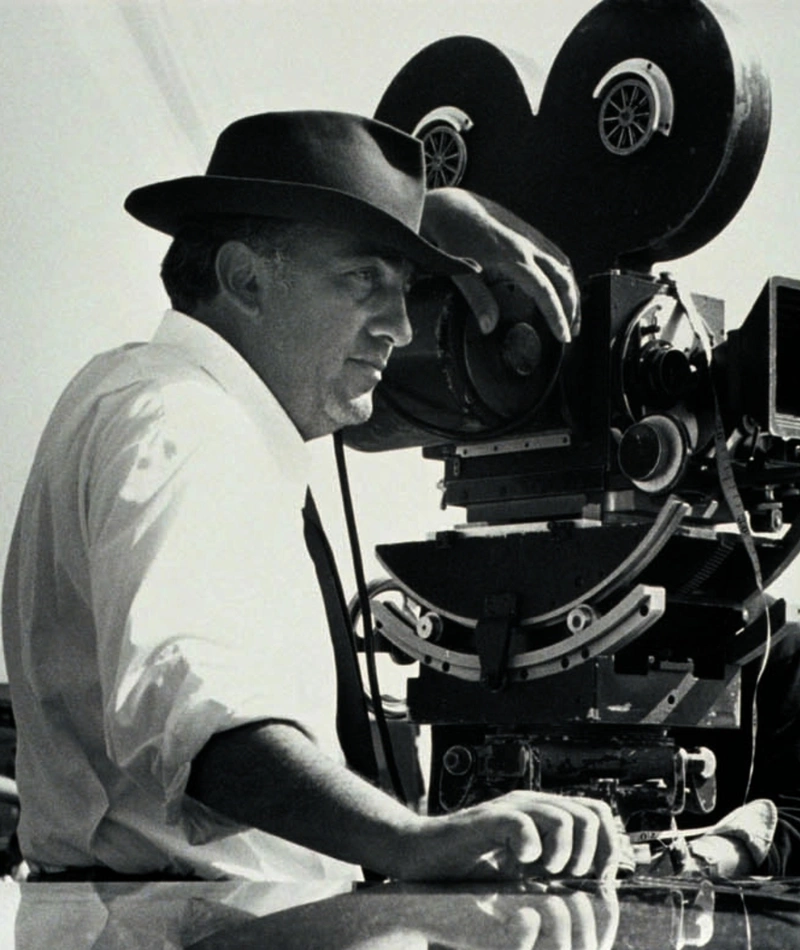
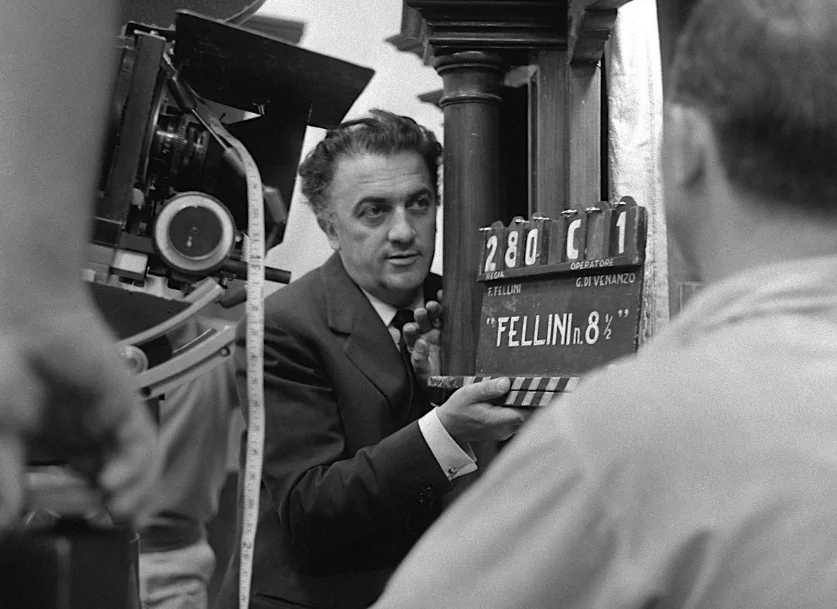
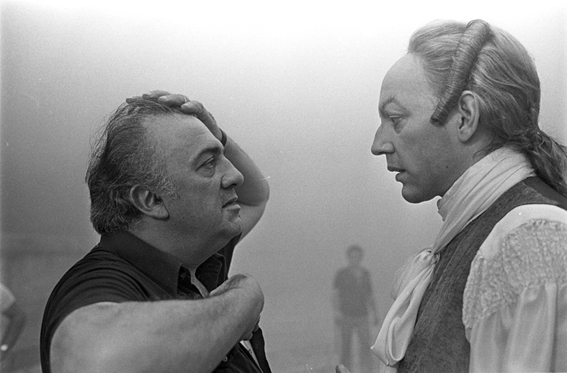
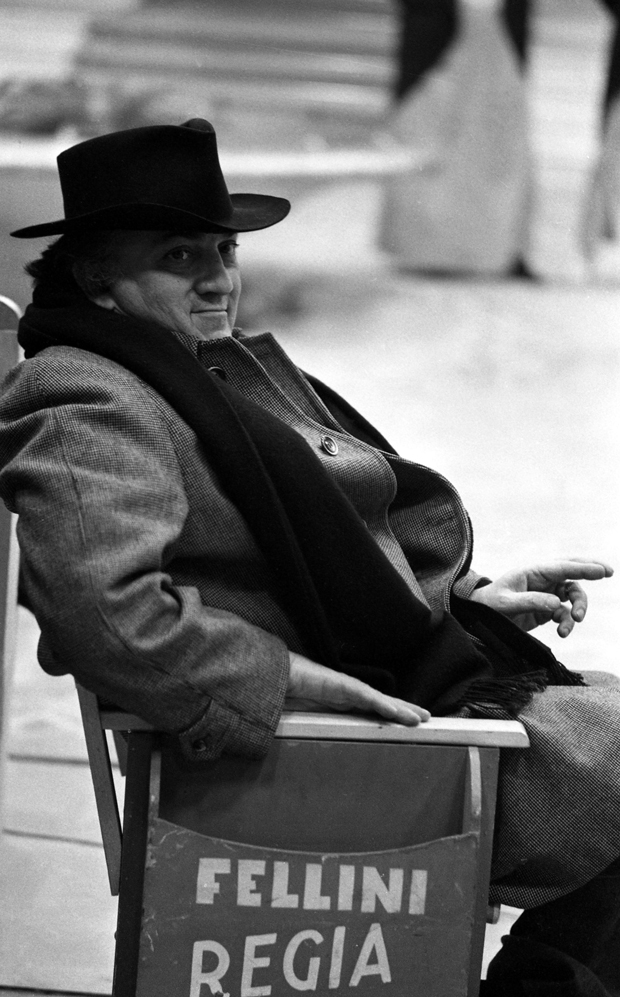
Those of us who love, live and breathe cinema all have our own journey, each one as unique and diverse as we ourselves are. Whatever makes us fall in love with the art of the moving image, be it the craft of Kubrick, the weirdness of Ken Russell, the poetry of Tarkovsky, the beauty of Agnes Varda, the physicality of William Friedkin, the lavish storytelling of Bela Tarr, the sentimentality of Steven Spielberg, the epic vision of Jodorowsky, the passionate humanity of John Cassavetes, the grittiness of Martin Scorsese, the wild dreams of François Truffaut, or the sheer guts of Jean-Luc Godard, there is one name above all others that unites us, and all of these, and that name is Federico Fellini.
From his humble beginnings as the son of an apprentice baker, his break as co-writer of Roberto Rossellini’s post-war classic Rome: Open City, through his time at the forefront of Italian Neo-Realism, to his later work that was so unlike anything before it that the word “Fellini-esque” had to be invented to encompass it’s unrelenting originality, Fellini’s films stand as works for ages, like the paintings of Vermeer or the plays of Shakespeare. I myself regard Fellini as the Shakespeare of Cinema, and his is the work I return to time and time again, whether in celebration or times of self-doubt. There is always something in his films to move and inspire me anew, and there is no more valuable an asset for any artist than inspiration.
We do not attempt to copy Fellini, we know we cannot. If we did it would be substandard to anything he created, and artifical, and we know that. Instead, Fellini inspires us to dig deeper and push farther to find our own cinematic voices. His work, like the stream-of-consciousness writing of Virginia Woolf, is a constant source of power and enlightenment to any audience willing to receive it’s gift. But still he is much more than just the filmmaker’s filmmaker. Fellini represents the peak of human artistic endeavour. His work crosses all barriers; language, gender, realism, surrealism. The ultimate agnostic, open to everything, closed to nothing. Fellini could go anywhere and be anything. His characters were flawed and as human as any of us, yet they could have spiritual awakenings and fly off the face of the Earth without losing a grain of their humanity. Fellini was constantly showing us not only who we are, but who we could be, all of the great things human beings could do if they only set aside their smallness and their insecurities. Above all Fellini showed us how to love ourselves so that we could come to understand how we can love others. He demonstrated the sheer poetry of being alive, the beauty of just existing.
I first encountered the work of Fellini at the age of 18 when Derek Jarman loaned me a VHS tape of La Dolce Vita. I had read about the film in Richard Witts’ biography of German singer Nico, who had appeared in it. I’d seen the films of Ken Russell, and Derek too, also those of Visconti, Nic Roeg, Donald Cammell, a couple of things by Truffaut. But I think I still considered the Hollywood legends, such as Michael Curtiz, Billy Wilder and Frank Capra, as the great masters of cinema. All of that changed when I saw La Dolce Vita. I had never seen anything executed as perfectly as the Trevi Fountain scene, and maybe I still haven’t, and the movie completely changed my ideas about cinema. Fellini showed me that there were no rules, no limits to what cinema could be. I sought out his other films, discovering in the process that I Vitelloni was Stanley Kubrick’s all-time favourite movie, Satyricon was Ken Russell’s, and countless names cited Fellini’s 8½ as the greatest film ever made. It all made such perfect and weirdly wonderful sense to me.
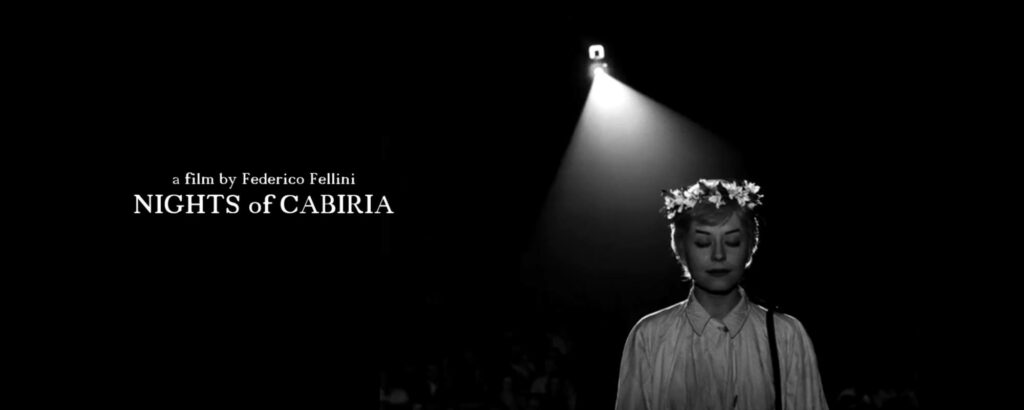
When Fellini died it was world news, and I understood the true impact of his work for the first time. As the tributes rolled off the presses, it turned out that everyone that I revered, from David Lynch to Sally Potter, revered Fellini, and that there really wasn’t anyone above him. And then I saw Nights of Cabiria for the first time. It broke my heart and it blew my mind more than any other film ever has, the sheer depth and beauty of it completely redefined what I would ever after hunger for in cinema. And when it seemed to me that no one was even trying to dig that deep any more, that’s when I took up filmmaking.
It turned out that I was wrong, there were and are plenty of gifted filmmakers who absolutely aspire to the depth and feeling of Fellini, and some may even have the talent to do it, if they could only get the funding to try. Quickly I understood that the need to experiment and take risks in order to find that voice and vision, that truth in us that gives us any chance of following in the Maestro’s footsteps, also out of necessity required the willingness to fail. And therein is the trouble, money only measures success in financial terms, and that quite useless when you are reaching for the proverbial stars. As filmmakers and artists we cannot afford the cowardice of commerce, and yet everything costs money. There seemed to be two possible ways to address this; either kow-tow to the benders of commerce or simply make films that cost less to make. The latter approach seemed to work for Derek Jarman and Kenneth Anger and Werner Herzog. And thus I tried, in 8mm and 16mm and MiniDV, and I made a film, Albion Rising, starring Dudley Sutton reciting the words of William Blake. I had met Dudley when he was working on Edward II with Derek and Derek’s muse Tilda Swinton, with whom Dudley also worked on Sally Potter’s Orlando (both films owing much to Fellini’s later work.) Dudley had worked with everyone, the best of the best, but top of the list was Fellini, as he had appeared in Casanova. So Dudley’s first day working with me consisted of my bombarding him with the burning question, what would Fellini do?
When one finds one’s own true inner voice, it is inevitably linked to our inner child. Our ability to recognize the truth has grown from our childhood need for trust. As such there is a direct line between truth and innocence. Once we understand this about human nature, and once we understand that there is more to living then simply reacting to what the world throws at us, writing a screenplay is simply a matter of working out how to use the software. It cannot be learned from any book or classroom, but it is there on the screen before our very eyes in every film Fellini ever made. Fellini understands that the worst thing we can ever be in this life is an adult, because with adulthood come responsibilities which we never asked for and never really wanted. Our deepest desire is to break free, even if just metaphorically. We do not have a duty to obey the rules, only to break them. But we don’t seek to break them as a conscious rebellion, but merely as a byproduct of going our own way. Our inner child knows what we really want even when we don’t. We must become humble in order to hear it. Fellini was the humblest of men, an example to us all.
As independent filmmakers, the revolution was on our side with the advent of digital cameras, particularly the DSLR that could, in theory, shoot video almost as well as a 35mm Single Lens Reflex could shoot stills. With the technology now in our hands, our emphasis could become ideas. With minimal funding it became possible to surround ourselves with talented people. The trick now, then, would be to have something actually worth filming. And so the journey towards the within could finally begin, as we write our hearts out, hold nothing back, and whenever we get stuck, ask ourselves the big question, again; what would Fellini do?
To this day my greatest ambition in cinema is to create work that has at least at it’s heart something of the magic of Nights of Cabiria. I am driven by it, compelled by it, it is the Holy Grail of filmmaking for me. One image as beautiful as the backlit shot of Cabiria on stage with the flowers in her hair, one ending as heartbreakingly beautiful as the ending of that film. Then I would not have lived in vain. I turn once again to the words of Virginia Woolf, my other greatest muse: Survive, create beauty, tell the truth.
Passionate, a dreamer with a vision and the determination to take the actions needed. A deep love for film and expression. An appreciator of life with an insatiable curiosity. A truth seeker and a story teller. Someone who wants to connect and share, with an understanding that at our best we are here to support, heal and love one another. Independent. Excited to follow the mystery with a bit of reason and the understanding that staying grounded is part of that recipe (at least for me). At times whimsical and silly, at others fierce and focused. Hardworking, fun loving, adventure seeking, and hopefully forever evolving and improving. A bit of a perfectionist. Team oriented, valuing the role that others play. Always looking for the magic, inviting spirit into every aspect of life and art.
– What Inspired you to be a filmmaker?
I think it happened organically. I don’t think as a girl, or young woman that I ever thought for a moment that I could be the one making the films. I think I was under the impression that men did that and I could work for them. I loved performing and saw myself as a musician, dancer, actor, creatively speaking. I think it was organic in that when I was on set as an actor, I was fascinated with every part of the process-not just acting. I wanted to understand all the moving parts from the PA’s to hair and wardrobe, you name it. The way a film set would become a family of sorts-people spending long days with each other all working together for a common vision. I would listen to the directors, AD’s, sound, DP’s, producers, show runners, etc.. On one set I overheard a bunch of the assistant directors, DP, etc. discussing what films they saw that last weekend. I remember they brought up Citizen Kane and I felt immediately that I had to see what that was all about. I loved the energy of the crew, the humor, the creativity of bringing it all to life! I was inspired, so I found a free MIT director film making course on line where I learned about films from famous directors such as John Houston, Jean Cocteau, Alfred Hitchcock, Ingmar Bergman… of course I was always an avid Spielberg, Scorsese, and Tarantino fan. I attended as many master classes and director talks as I could at the Tribeca Film Festival in New York. I found myself so intrigued and inspired by Catherine Hardwicke, David O Russell, Francis Ford Coppola, the list goes on and on. At that point it still didn’t dawn on me that I was a film maker. I didn’t know I wanted to make films. I just thought I loved everything about film. Then I heard about this group of actors I knew that were making short films for a fun little contest they had amongst themselves. Something to do while waiting to book if I remember right. Intrigued because I knew so many of these actors I went. I watched peoples films, waited to see who won, thought about what they had done in a relatively short time and then it hit me. I thought, I could do that, I could make a film. I think I could really do this, I have so many stories to tell. I can, I can do this. And that was the jump off, beginning.
-Do you think the cinema can bring a change in the society?
Yes. More than probably anything else. It’s very important to tell the stories that are often ignored in the history books, however these stories need to be told with empathy and compassion and as much truth as we can muster in order to create true shifts of mind and changes in society. To express things in society that we often don’t want to look at that need to be addressed for a better world. All change begins with consciousness, awareness, thought. I think films and television have the power to do that and do do that.
-What would I change in the world?
Huge question. We could talk about war, terrorism, hunger, education, illness. I’m going to bring that in and focus on my little snapshot. If I approach that question from a semi realistic point of view, I would change the world by offering them ideas, emotions, a spark to start a discussion, something thought provoking that makes us look within ourselves. Find our own truth. Recognize that choices are available. Can we choose love and faith over fear? Can we put aside our own baggage for the greater good? Change I think can happen one voice at a time-but it has to felt, it has to resonate, Hearts have to change, hearts can change minds.
-Where do I see the film industry going in the next 100 years?
Technology will reveal a lot of that as far as mediums, how we view things I think. Film, story telling will always be here. The basic components will remain because the human condition doesn’t change, fashion, trends, tech stuff-that changes but we always work, love, connect, eat drink, help each other, we have basic emotions of fear, anger, frustration, passion, anger. Human connection remains. That’s why good story telling from any time stays relevant and lasts. In 100 years as long as there are cultures, societies, human life-we will have films, or streaming situations with series or something like that, but we will have films. They will last. I think we will continue to connect more because of it- technology will create that. Maybe we will have multi sensory versions of things and be able to down load that into our living rooms, not sure. But good films …they will last forever, or at least as long as human life is here on this planet.