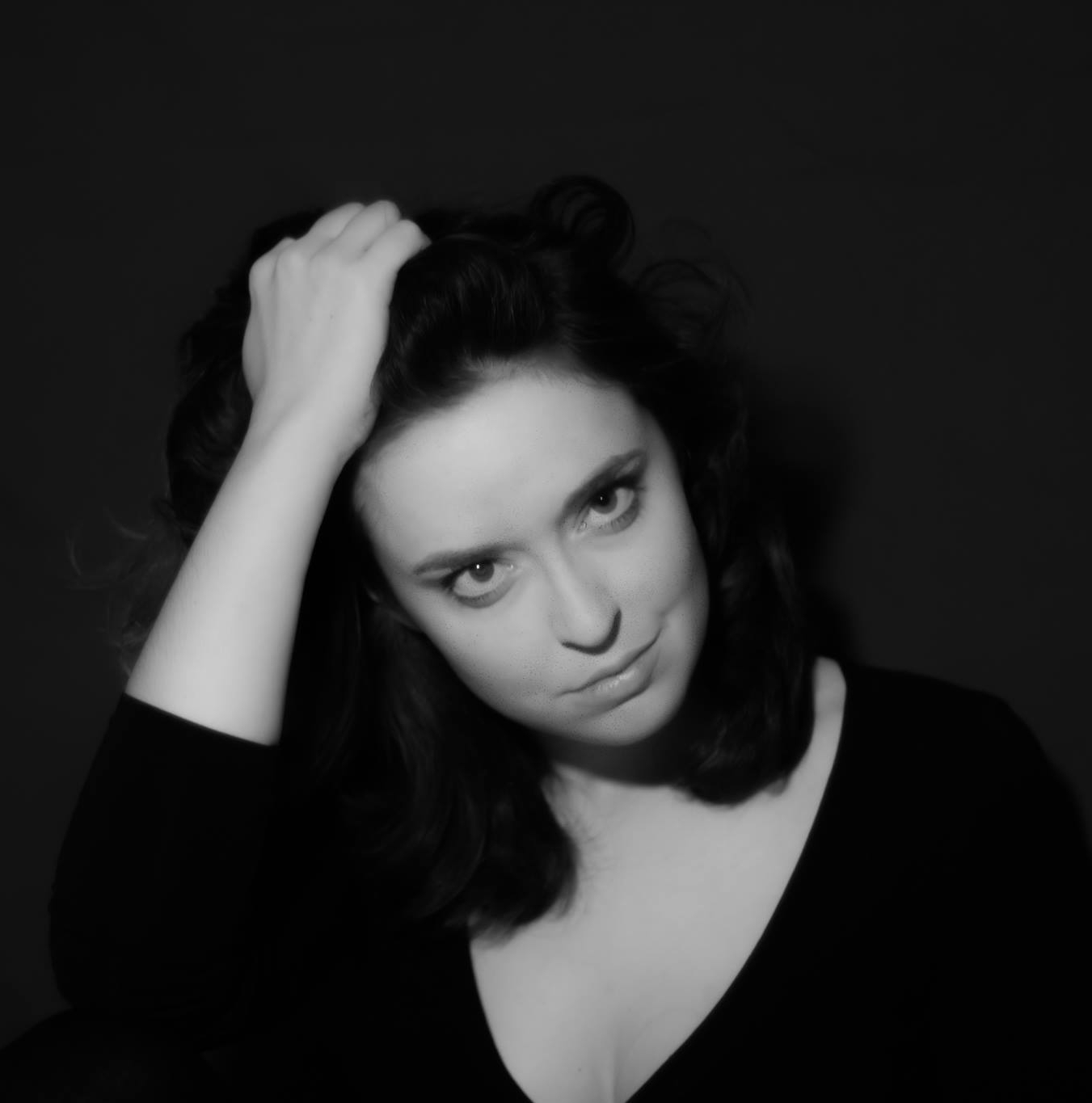
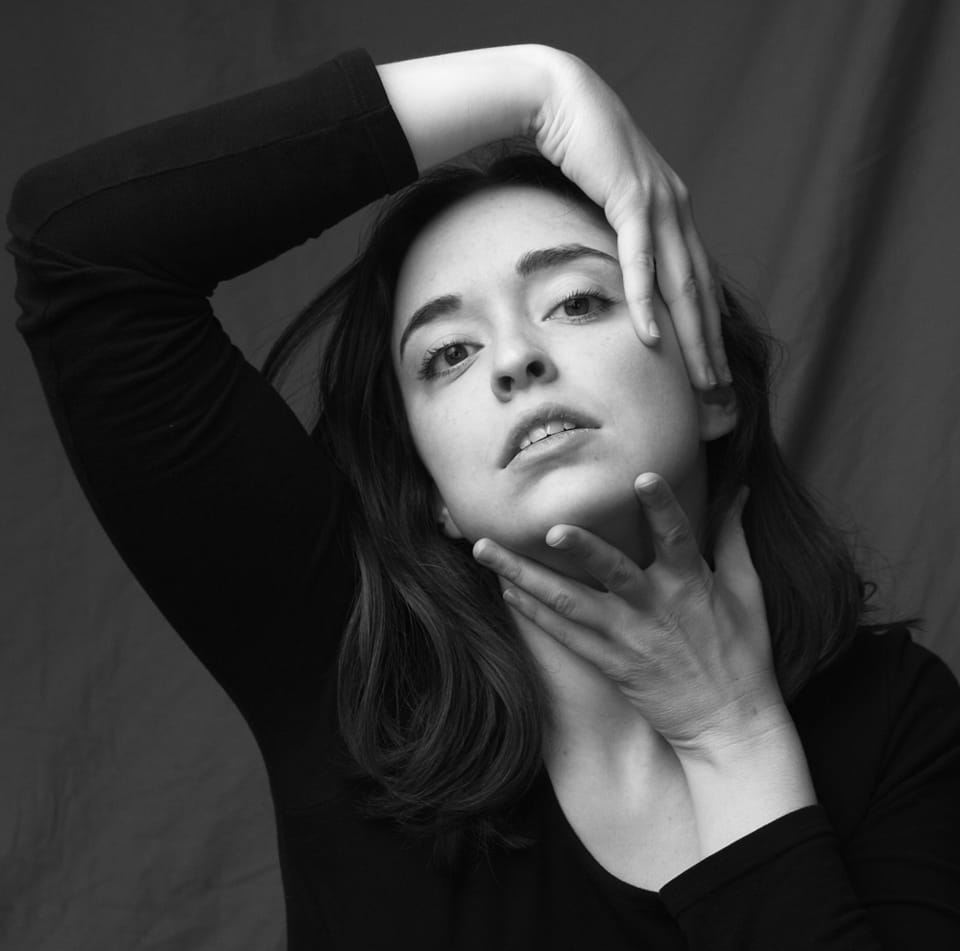
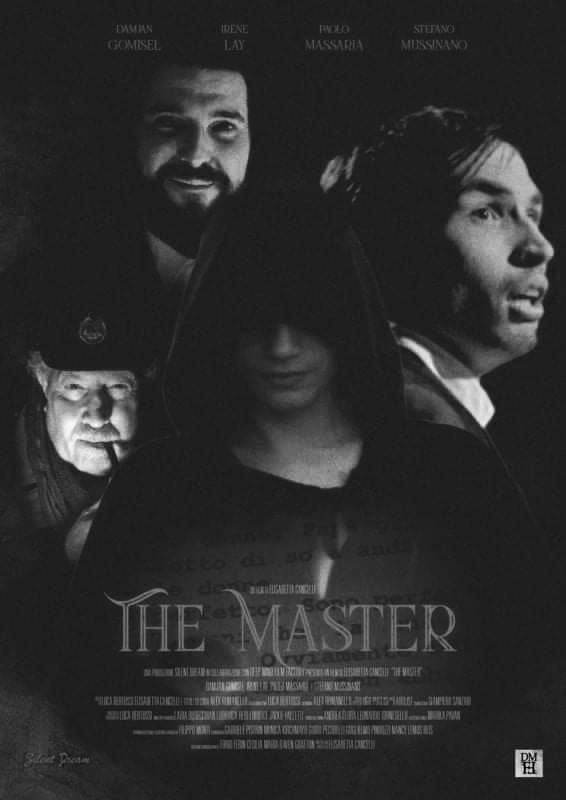
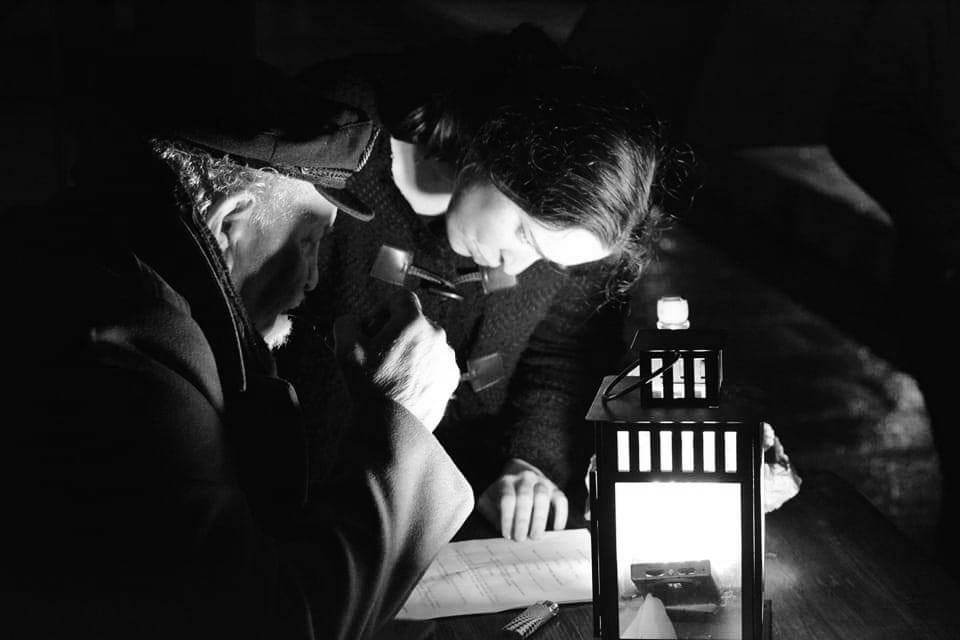
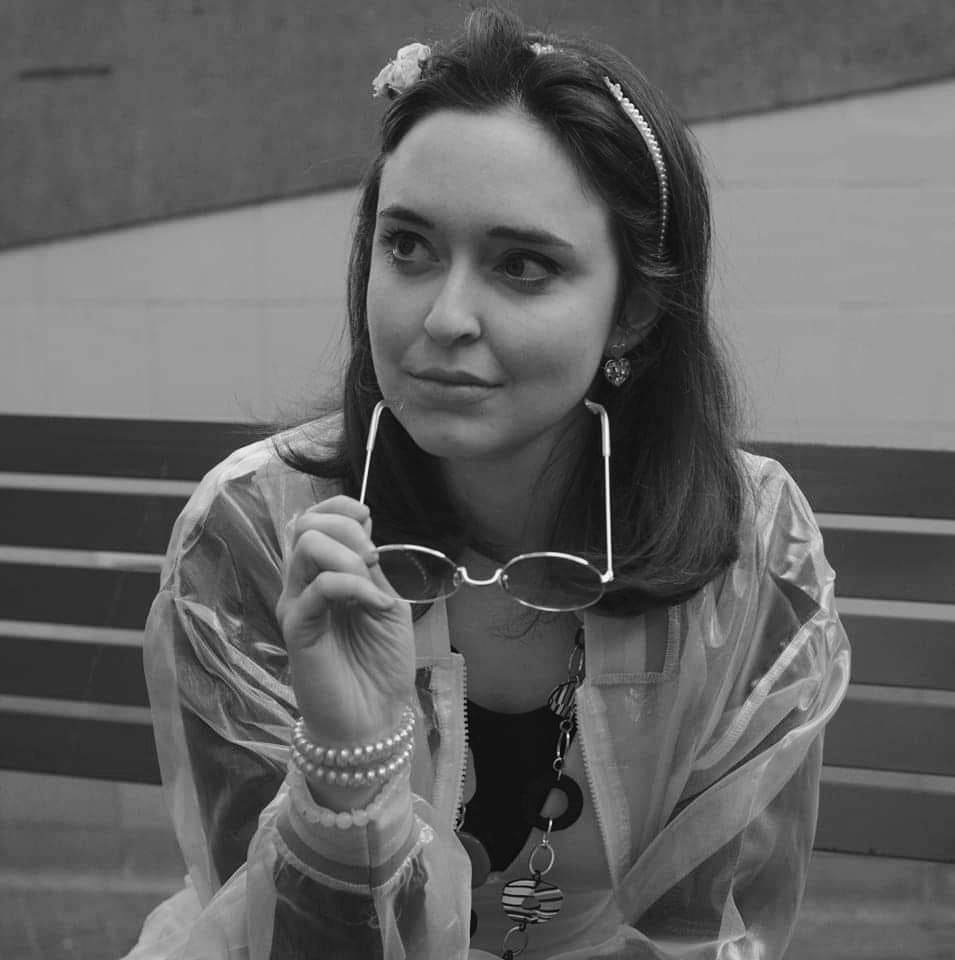
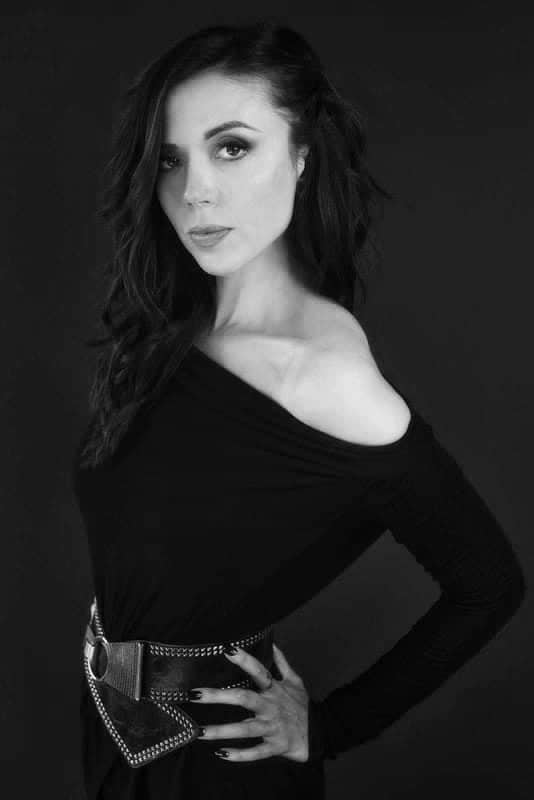
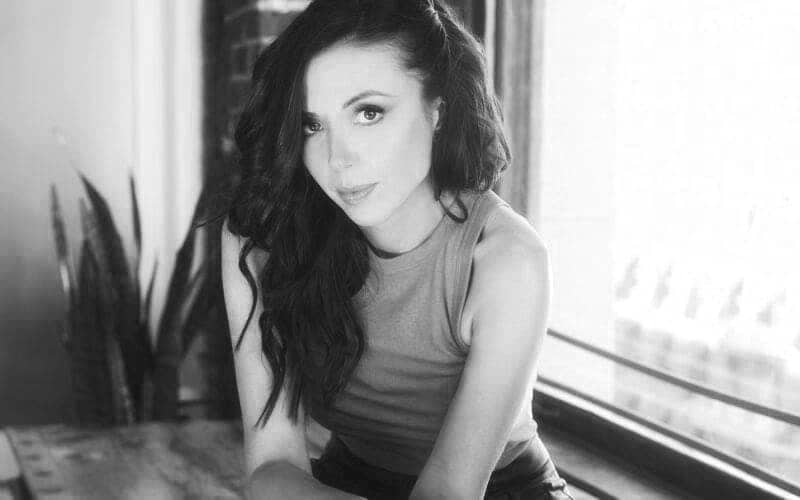
I’m an independent director and actress and after the pandemic hit, during quarantine I’ve created my page and channel called “Silent Dream”, in where I express and publish my works and short films. I’d like to create and promote a sort of “Romanticism” in cinema, same as any form of Romanticism, like in art.
–What inspired you to become a filmmaker?
I’ve grown up in Trieste in a family of artists, my parents are musicians and my grandma was a poet and a writer. After High School I’ve switched majors twice cause I was too afraid of choosing the artistic career knowing the risks of a job so exciting but financially not secure. In the end my parents helped me with choosing the major at DAMS, Cinema and performing arts in Gorizia. I’ve always been influenced by the wonderful atmosphere of my home, always full of music and inspiration. I think I’ve never really lived without art.I developed my love for cinema, acting and writing naturally.
-Do you think the cinema can bring a change in the society?
Absolutely. It can bring messages and can open discussions on very important topics. The fact is that it’s a double sided knife. You have to be careful with the message you want to express, because not only today’s social media are so powerful and can change even the casting and the editing of the movie, but you could also influence the people, making them change their minds, for better or worse. For example movies inspired by true crimes. How dangerous is it to portray the killer in a charming way? Can this make people emulate him/her or can (knowing bad people can also be charming) work as a warning and make you pay attention to who you’re dealing with? Another example, when is portraying a sexual assault a realistic and tragic portrait of something terrible and when is it pornography? It’s very difficult to understand the subtle line between sending a clear message in your movie and making it ambiguous and dangerous. You can try to understand it by listening to the opinion of the people, of the public, knowing what’s happening in society today and so on. My suggestion is to always research for yourself before expressing a certain topic that can trigger the public, because before directors, we are individuals sharing the same planet with other people.
-What would you change in the world?
I’d like that people to be less afraid to love, more conscious of their feelings. This is a topic I’ve tried so hard to express in my works. I talk about violence against women but also about strong feelings of desire, fear, anger and desperate seeking of freedom from the conventions of society. I’d like people to develop their emotional intelligence more, to learn more about themselves and sexual education, because ignorance and fear can lead to terrible relationships between people. And this can hurt anybody.
-Where do you see the film industry going in the next 100 years?
I hope there will be a cycle. I don’t think there’s much inspiration in the Film Industry, of course Independent cinema is always full of new creators and ideas, I’m talking about the big industry. I’m always hearing about remakes, reboots and live action movies and I’d like to hear more about new, exciting and original ideas never heard before. But as with the history of any form of art, I think there are periods of more or less inspiration. I’m optimistic, let’s see what happens.
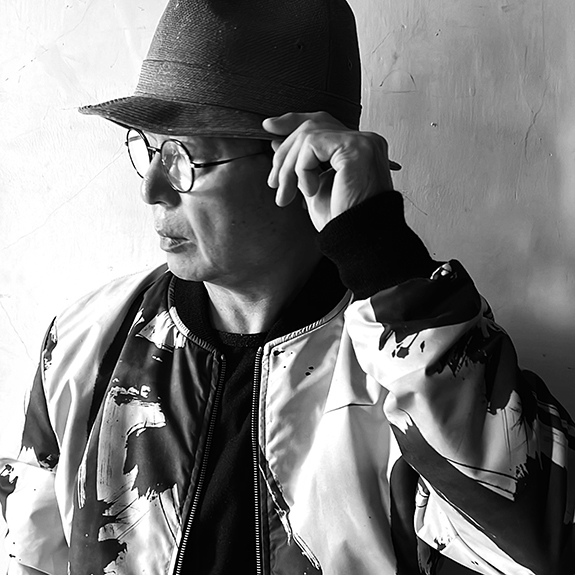
I was born in a small village in Kyoto prefecture surrounded by rich nature. The village had beautiful landscapes but no movie theater. In my childhood, I loved to listen to the sounds of nature like dripping rains, flowing rivers. I also enjoyed looking at wild flowers and animals, as well as stars in the galaxy at night, which inspired my imagination. I was interested in how the cosmos had been created and how it would evolve. Nature brings me the spinning and weaving stories. That was my movie theater.
-What inspired you to become a filmmaker?
In my twenties I started painting and printmaking. I also learned photography. Pursuing those techniques, I have learned the differences between two-dimensional and three-dimensional expressions. I created many experimental prints in 1990s. In that process I was gradually interested in the moving images. I came to feel that movies have great potential in presenting my imaginations. You can put everything in a movie. Sergei Parajanov has been one of my favorite movie directors. Tarkovsky has always inspired me.
-Do you think the cinema can bring a change in the society?
I don’t shoot films with the intention of changing society. Through movies we could meet visions which you were unaware of before. Bio-philosopher Jacob von Uexkülls “Umwelt” is my favorite concept when I look at the world. Eyes beyond human, eyes in the deep nature reflect my approach to cinemas.
-What would you change in the world?
I feel I am a small part of the cosmos which is a continuum. When I change, the world changes. When the world changes, I change. I think the same thing happens in every part of the cosmos.
-Where do you see the film industry going in the next 100 years?
No matter what new devices appear, we need a platform, a kind of screen, that swallows them all like a blackhole beyond borders and the differences. Imagination is the key for us to reach and receive messages from the platform.
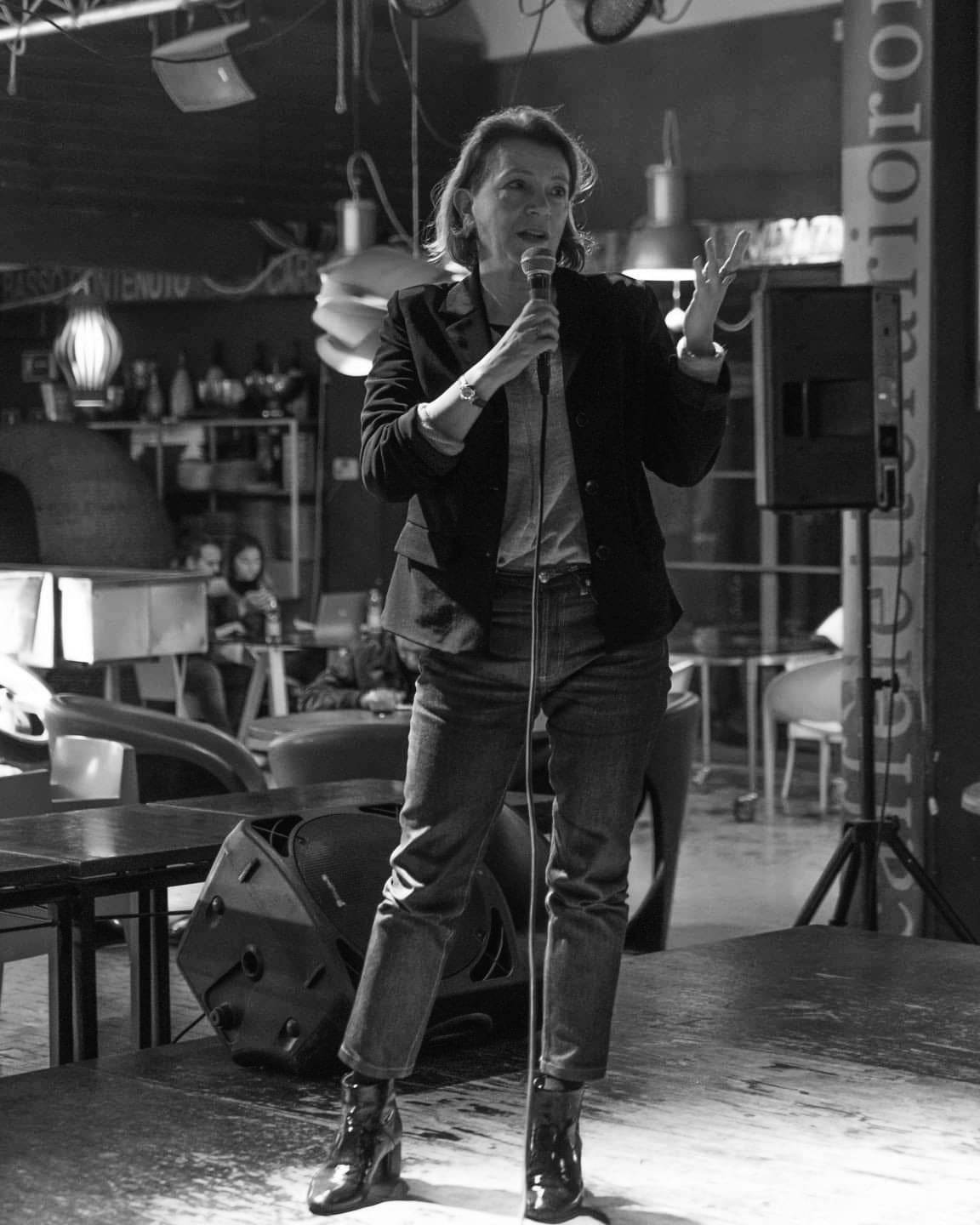
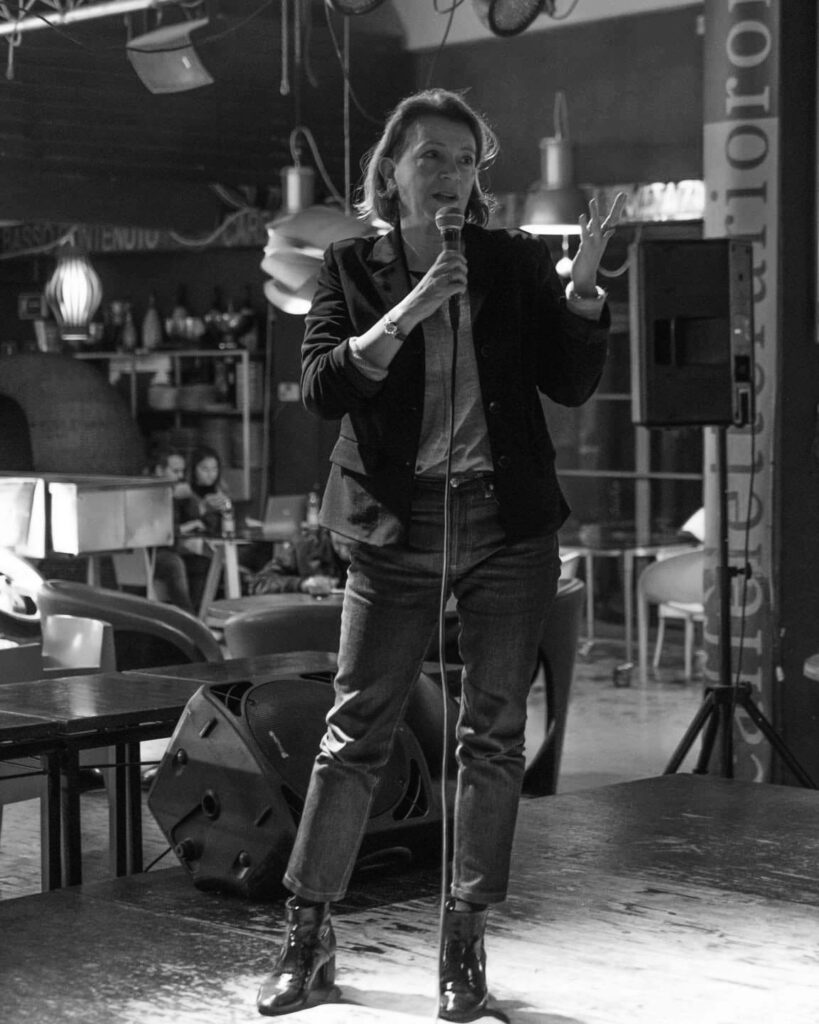
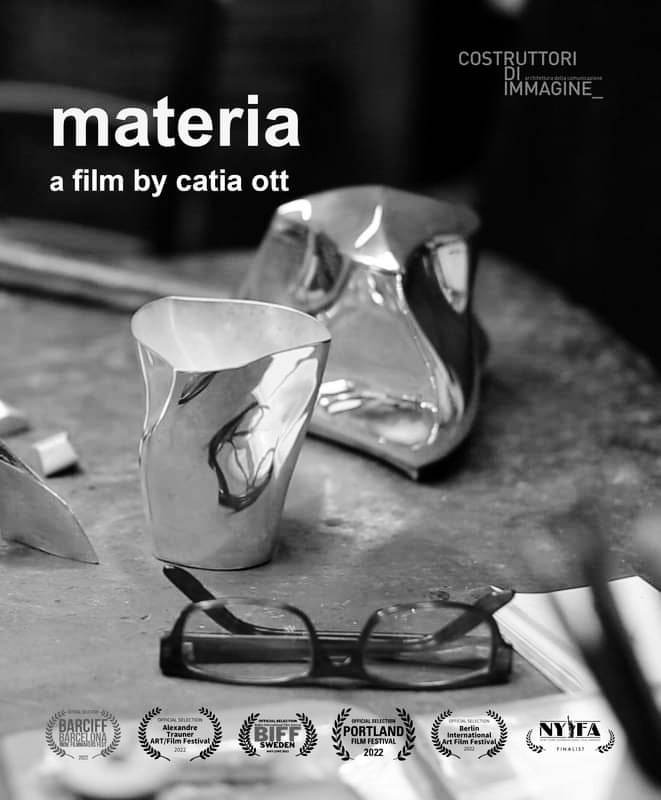
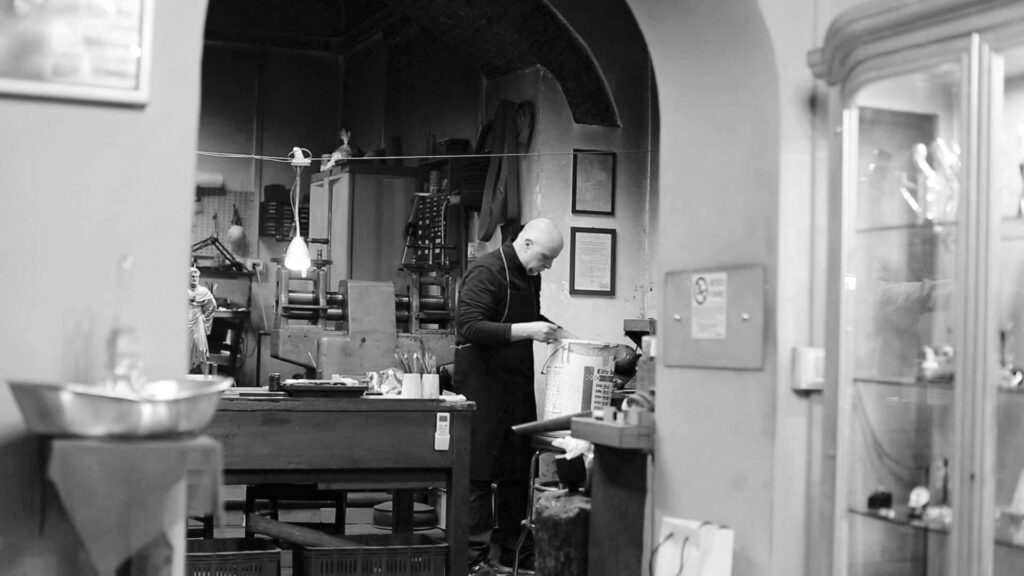
I do documentaries mainly on cultural and creative subjects. I just finished a documentary called, MATERIA, portraying the work of artisans and designers in the city of Rome. I have a background in advertisement and lived in Paris and London.
-What inspired you to become a filmmaker?
Curiosity! I was always very curious of people’s lives. I observe people on the streets and on public transportation and I imagine what they do, how their house is decorated, who are their friends…
I chose to work with film because it uses photography, music, storytelling, animation, acting in an immersive way that catches people’s heart. I think that using film to describe the world is a powerful tool.
-Do you think that the cinema can bring a change in the society?
I think that cinema can create empathy on certain subjects. Talking about violence, war and chaos using film can have a certain impact on society.
But I also think that talking about ordinary things and ordinary people is very important because it shows the beauty existing in them. A filmmaker can show a point of view on things that are normally overlooked at.
-What would you change in the world?
People should dance more and be more grateful for what they have!
-Where do you see the film industry going in the next 100 years?
The world will always need stories; whether they are told in film, books, photos or other medias.
Maybe in the future people will go less to the movie theater and watch more films on their computer. This does not mean that people will not go the see events such as film festivals or screenings. Maybe movie theaters must become more similar to cultural centers with events that make people meet and discuss.
Technology should add ways to enjoy films and the film industry will have to adapt especially in regards of distribution.
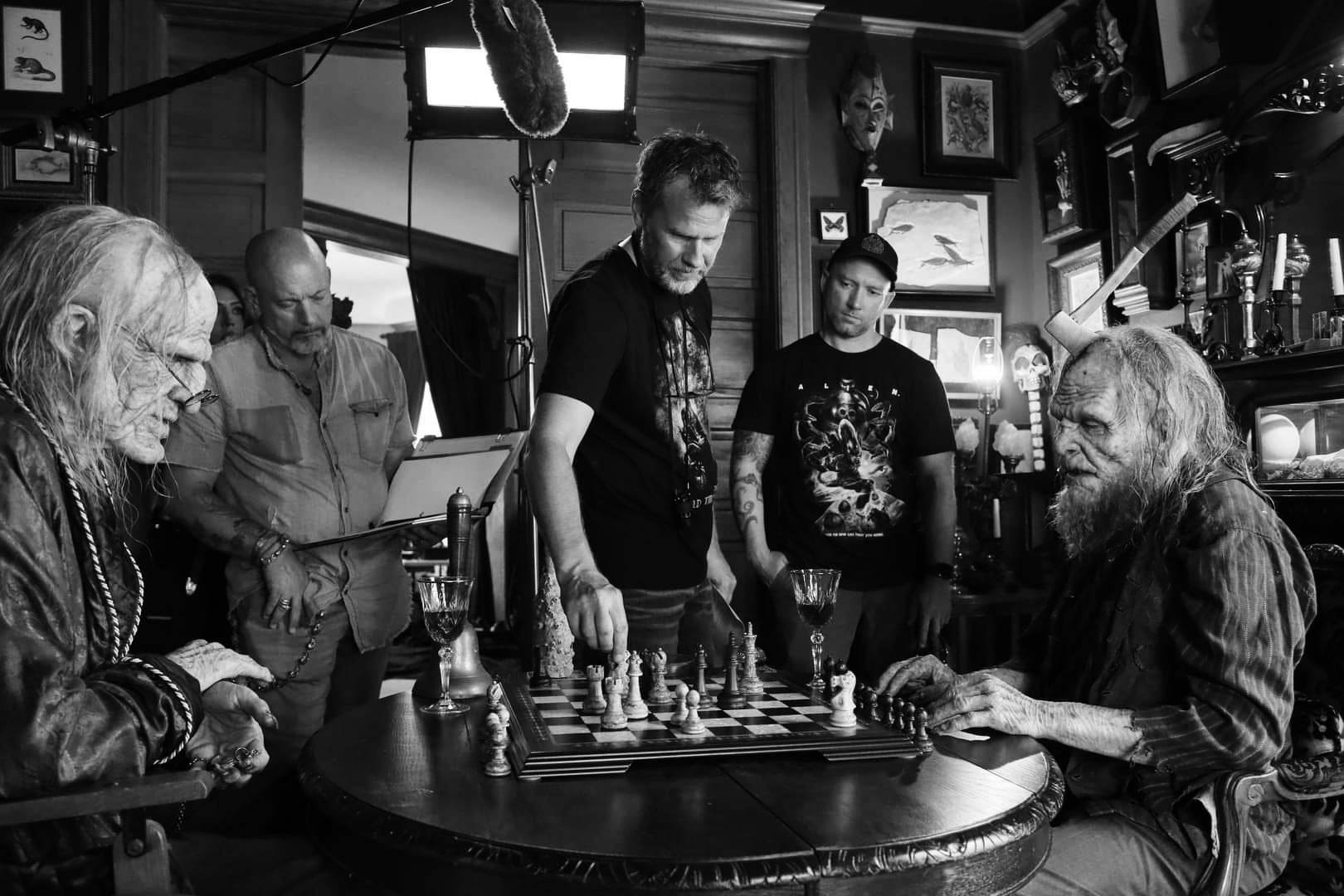
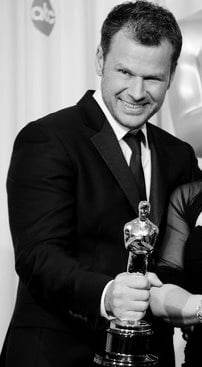
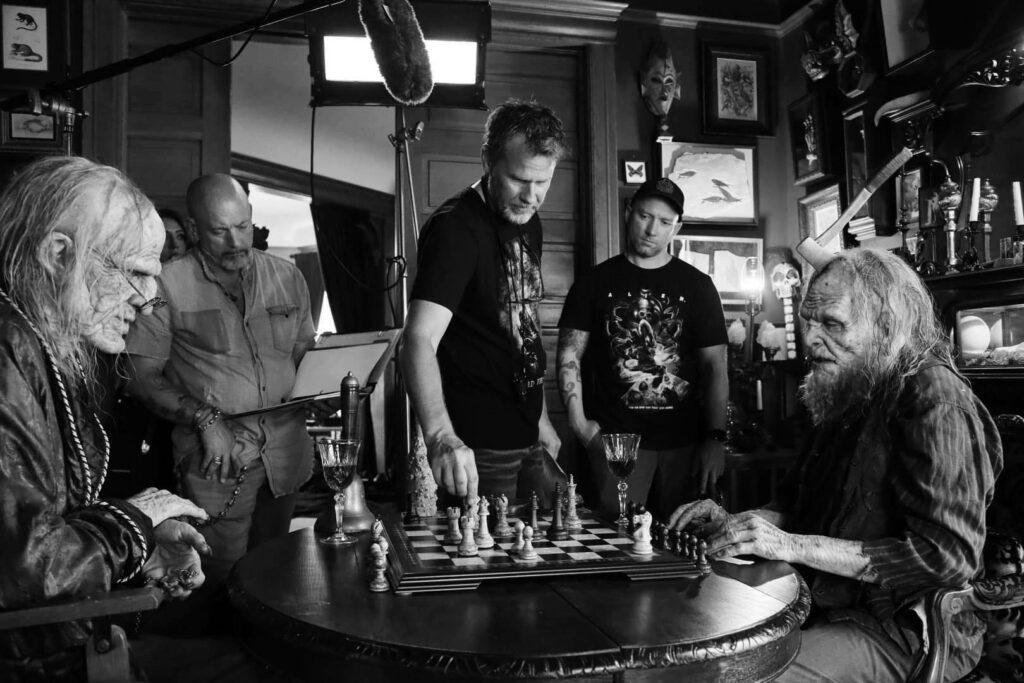
Academy Award-winner Joel Harlow is one of the most innovative makeup and special makeup artists and designers in American motion pictures. He has proven himself to be one of a very few number of artists who is able to span the world of makeup effects design and creation to the world of on set makeup application. With his company Morphology Inc., Harlow has worked on some of the industries most popular tent-pole films to date.
Director Statement The world of “Old Time Radio” is meant to pay homage to the classic themes of the horror serial radio dramas from the 30s-40s-50s. There is an innocent quality that those programs offered that has been lost today. A chance to, collectively, adventure into a horror experience with a fun, almost comic, exuberance. I found that using old school movie tricks, such as rod puppets and miniature sets helps to convey the “feeling” I wanted to achieve. Hope you like it.
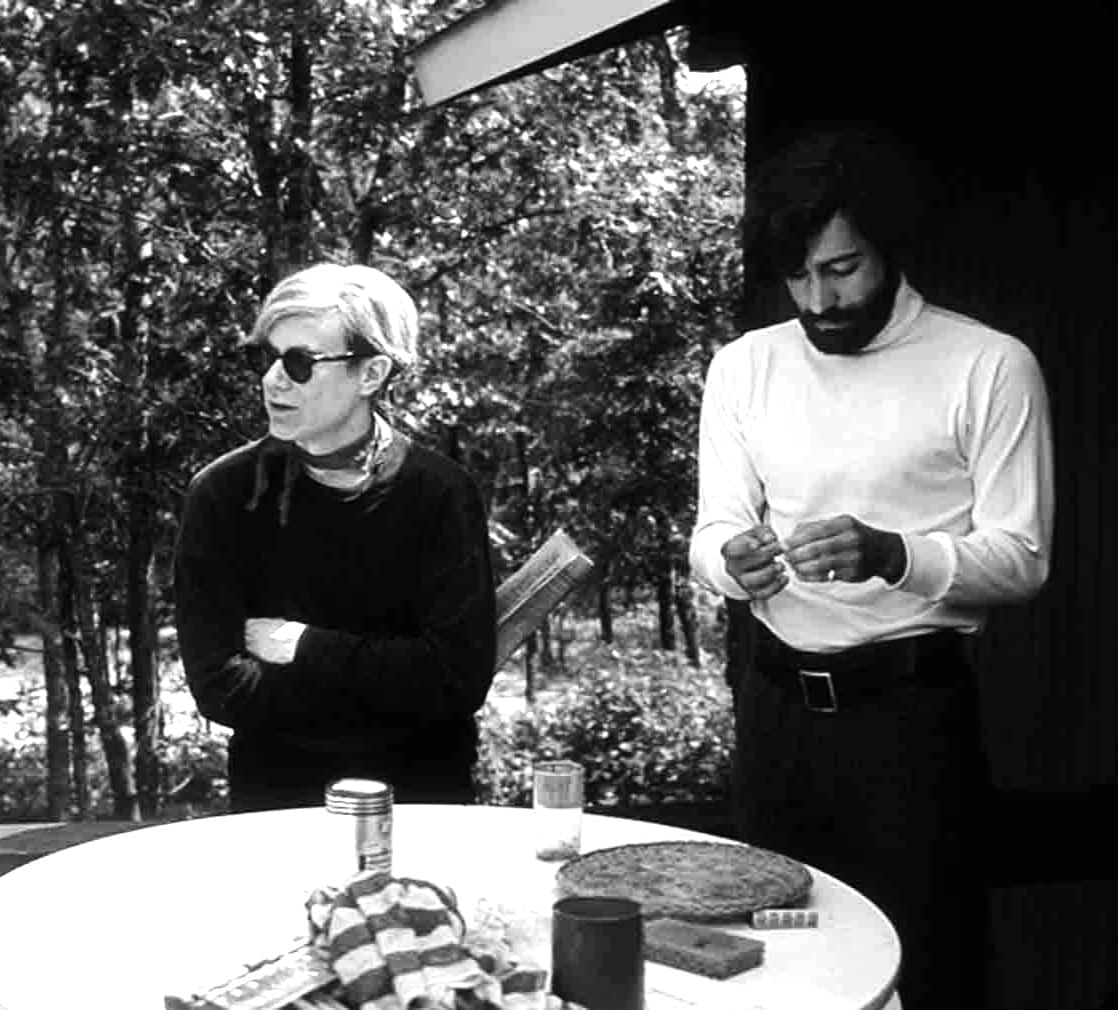
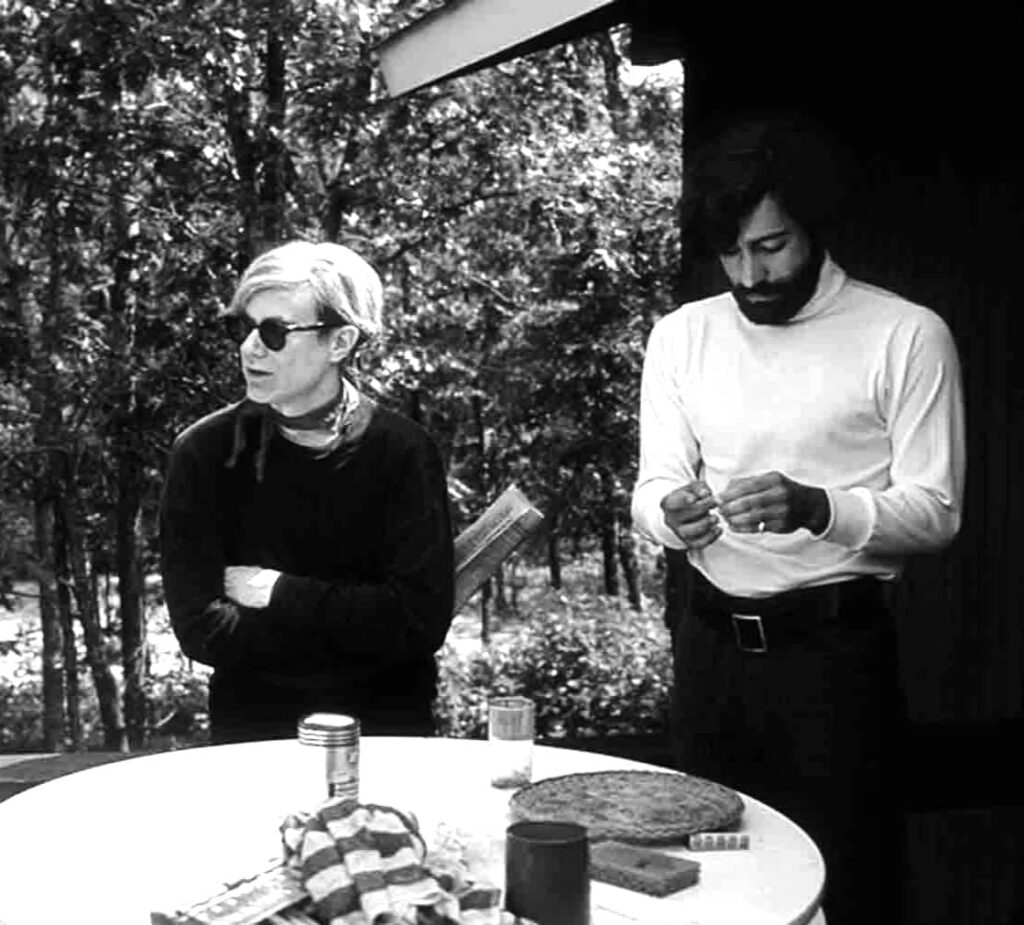
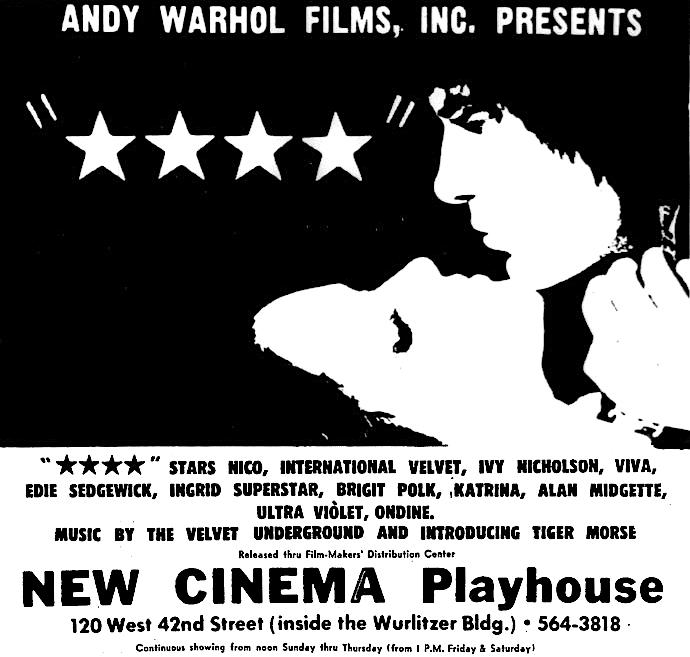
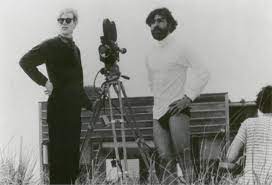
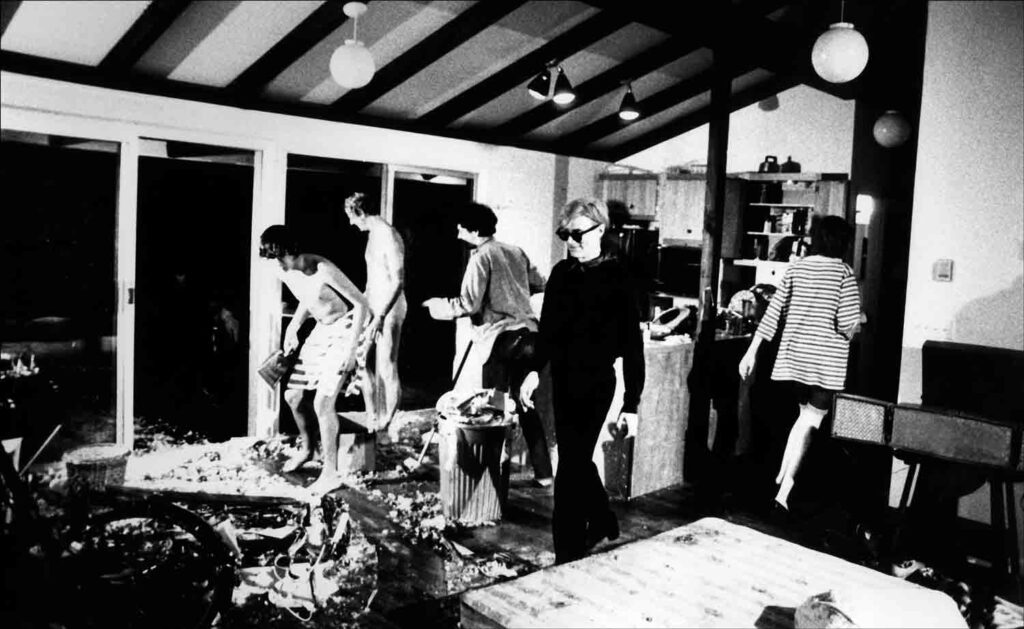
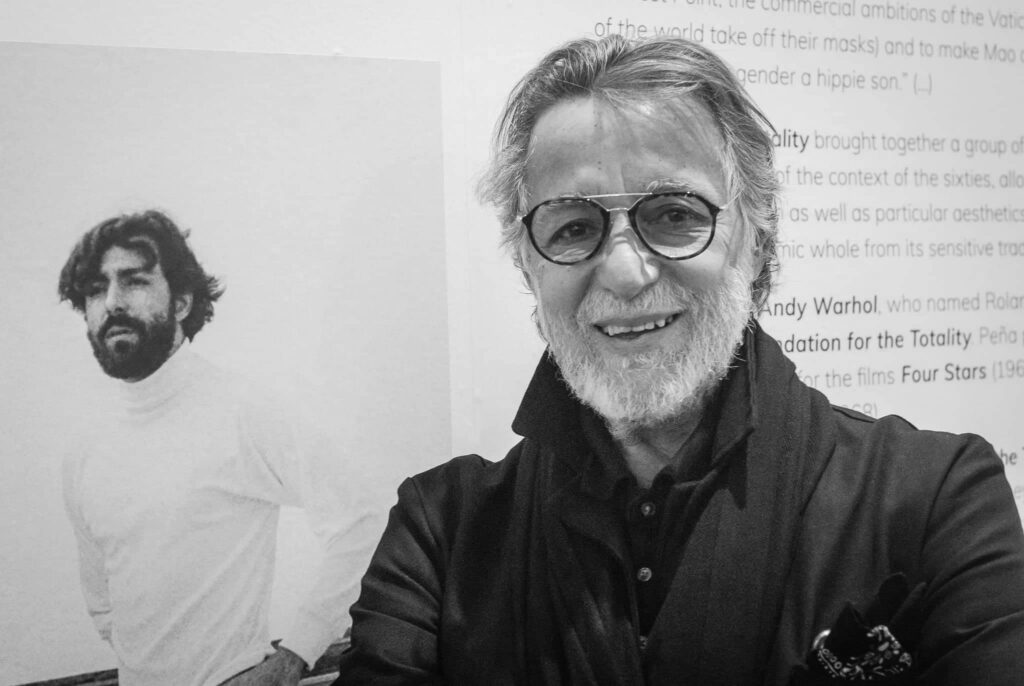
I met Andy in New York in 1963. This year I was invited by the Martha Graham Dance Academy to take an intensive course in contemporary dance. Once in New York, I met Harold Stevenson, a well-known American painter at the time, at an opening at the Museum of Modern Art in New York. He invited me to a cocktail dinner given by Adelaide de Menil, a photographer and the daughter of John de Menil, a famous art collector during that time in New York. The youngest of her daughters founded the Dia Art Foundation, a renowned organization whose mission was to promote artists. At that dinner was Andy Warhol, and Stevenson introduced him to me, we greeted each other, and that was it. When the dance course at the Graham Academy concluded, I returned to Venezuela for the next two years, and it was in 1965 that I finally settled in New York. Manhattan seemed to be a melting-pot city where crucial things in relation to art were about to happen. When I arrived, I stayed at the YMCA on 23rd street, just across the Chelsea hotel. One day, I invited a dancer friend of mine to have dinner at a Spanish restaurant called “El Quijote” at the Chelsea Hotel. When we sat at a table, Warhol and some of the Factory members were next to us. I was intrigued when I saw Gerard Malanga approaching me to tell me that Warhol liked my style and presence. Back then, I used to dress in black with a cape. Malanga and I barely were able to communicate partially in English and partially in Italian; Warhol wanted to know if I would like to be part of his next film. I responded that certainly yes, but it wasn’t until another day I saw my friend Waldo Díaz-Balart that I heard from them again. Waldo told me that Warhol was going to shoot a movie at his house in the East Hamptons, he knew that we were friends and wanted to know if I was still interested in playing a role in the movie, so once again I said yes. Waldo and I became friends one day I was walking through the East Village when I first went to New York in ’63 . And that is how my group “Foundation for the Totality” and I participated in the filming of “Four Stars,” a 24-hour movie in which I performed a happening called “THE PAELLA- BICYCLE-TOTAL- CRUCIFIXION”.
-You’ve made several experimental movies with Andy Warhol… Tell us about it…
After “Four Starts,” I made some other films with the Factory, among them “The Nude Restaurant” and “The Loves of Ondine.” Besides the movies, I also collaborated with the Factory on many exhibition projects like for example, the idea of Mao Zedong was one of mine that I shared with Andy, and like that, many others that he thought were very good.
-What are your memories of the Factory?
I have unforgettable memories of the Factory and its members. It would be worth doing a full interview since only about it since there is a lot to tell: Gerard Malanga, Joe Dallesandro, Edie Sedgwick, Viva, Ultra Violet, the photographer Billy Name, and Paul Morrisey, who was the one who actually shot the movies, and so many others. My collaborations spanned various disciplines, in particular, I participated in the initial conversations about the “Interview” magazine project and in the first issue that was made, which was a silver box filled with various objects. Being part of the Factory was an extraordinary experience that marked my life as a before and after.
-How was Andy Warhol’s New York City?
Andy was an outstanding character and unquestionably a great genius. Andy perfectly understood and knew how to project the spirit of that magnificent city.
I have always said that Andy Warhol is a great documentarian, one of the most brilliant I have ever met. He knew how to capture the energy, the characters, the odors, the creativity, and the underground poetry that emanated from the asphalt of the streets of New York. Undoubtedly, the rarefied, polluted air that we breathed in the midst of that immense mass of concrete of its skyscrapers transmitted a powerful energy that urged us all not to stop, to keep going and cross the tightropes without a protective mesh. The sensation of the risk of the unknown, of the encounters, was a source of immense inspiration we transformed into urban poetry. No doubt that Warhol understood all this and wrote his memorable story.
He was an extraordinary and brilliant artist with whom I have great memories, very close memories, and great solidarity. I hope he is well, and that he is having a great time, and I would not be surprised if he is also recording and photographing this interview that he will surely publish; so get ahead of him and post it before he does.
-Who is Rolando Today?
Rolando Peña today is an avant-garde artist as he has always been, a tireless researcher with extreme curiosity accompanied by infinite energy. Rolando Peña has survived all the prejudices, denials, and infamy of the ignorant. The figure of the “Black Prince” is gone. It served as a shield for me in the sixties, but now it has turned against me. Several times I have tried to make him disappear, to bury him, but he is extremely stubborn, and it reborn again. However, I am Rolando Peña, his creator, and I am much more significant and thought-provoking than him. I currently live in Miami, but I work for the world. I live with a wonderful woman, Karla, my angel, whom I love enormously; we are blissful.
I can tell you that I still have many years to live to continue creating art accompanied by science and technology. So get ready, all the good is just starting.
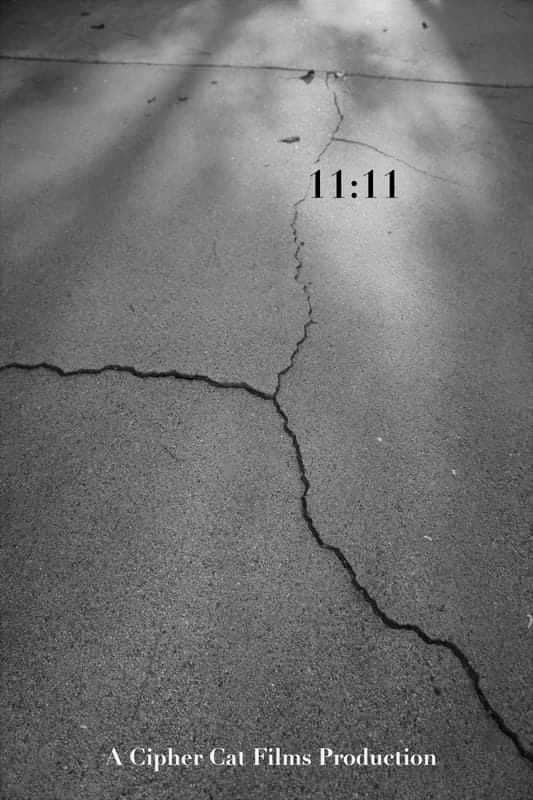
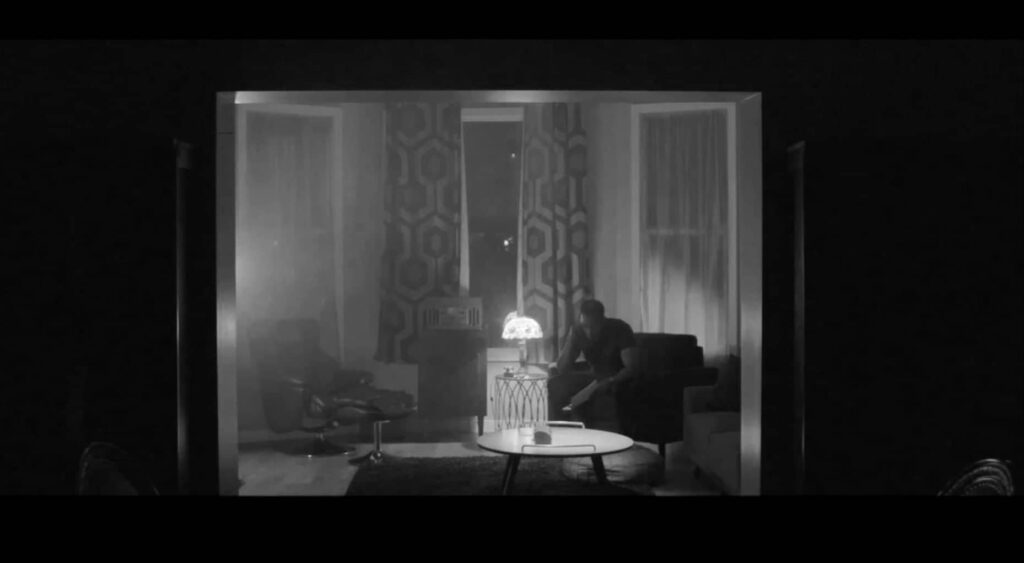
I’m awful at defining myself. My life has not been linear enough for that. I’m just me. But for interview purposes, what’s important is that I’m the sole member and founder of Cipher Cat Films, the creator of “11:11″(short film), and the upcoming release “Walking in the Wrong Direction” (short film).
– What inspired you to become a filmmaker?
I didn’t have the typical lightbulb moment that other filmmakers seem to have had. I’ve always created fictional characters in my head, and stories kind of come as a result of that. Eventually, I started writing them for people other than myself, under the pen name L.E. Flinders, somewhere back in 2015-2017. But I didn’t ever intend to direct when I initially started down this path. I just wanted to write scripts and produce them with other people, and have fun doing it. And somehow, this just happened. But it’s been an incredible experience to get to shape my writing in such a visual way.
– Do you think the cinema can bring a change in the society?
I believe that cinema is always in a constant state of changing society. The media that we take in, in all forms, changes our individual view of the world. And, as a result, how we approach the world and interact with it. It’s especially true with films that influence us early on in life, but it never stops. So every film, or other artistic expression out there, plays a role in shaping the world we currently live in, as well as the world we will live in in the future.
– What would you change in the world?
I’d love it if people were less fearful. In my experience, fear is the root cause of so much harm that people do. Hate can come from fear of others. Greed and pride can come from a fear of inadequacy. Dishonesty almost always comes from fear of judgment or rejection. Even harmful inaction comes from fear of doing or saying the wrong thing. It always circles back to fear. I think it’s possible to live cautiously without letting fear control us. And unfortunately, in the world today, fear seems to be growing. So I’d love to help change that.
– Where do you see the film industry going in the next 100 years?
My hope is, that small, truly independent, filmmakers will find it easier and easier to get their films seen by large audiences. It’s kind of a hidden silver lining in the darker aspect of tailored marketing. It’s genuinely scary how accurate my youtube recommendations are. But at the same time, I love that. It allows me to find amatuer and professional filmmakers, comedians, musicians, etc who I would never know existed otherwise. And occasionally just videos of an elephant dancing to flute music or a man on a porch feeding a dozen hungry raccoons, both of which are also cinema, in their own way. And 20 years ago, I couldn’t do that. And I hope, that over the next 20-100 years, that small filmmakers are given even more options that allow that kind of ability to find unlikely niche audiences. Because the more easily you can reach your specific audience without a big distributor or a big production company to appease or impress, the more artistic diversity we get, both as filmmakers and as audience members.
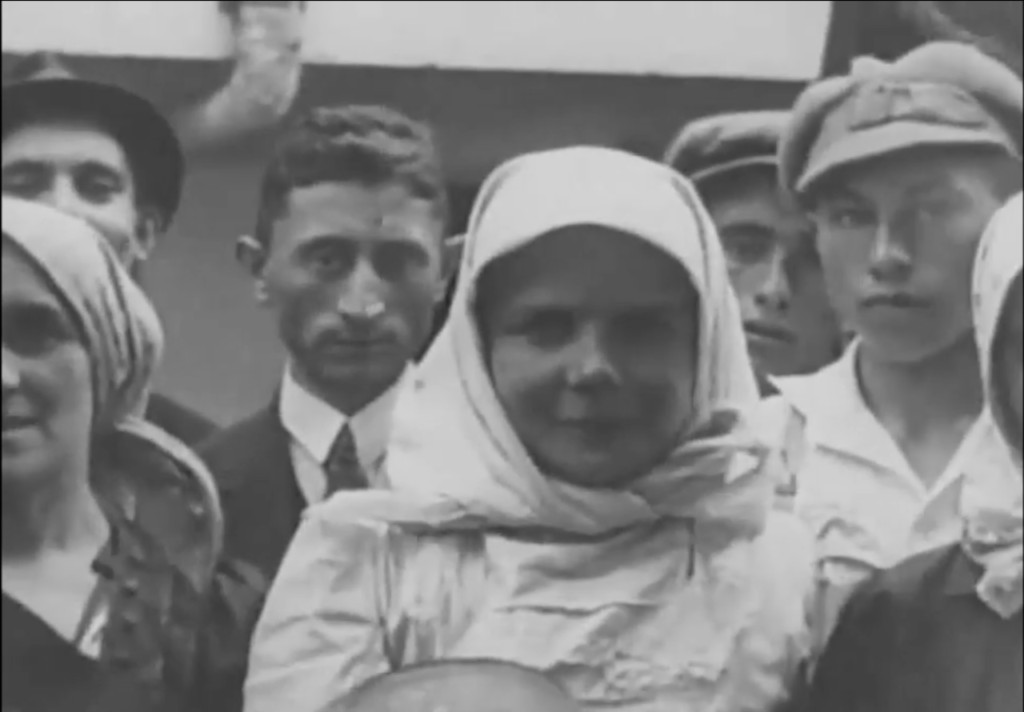
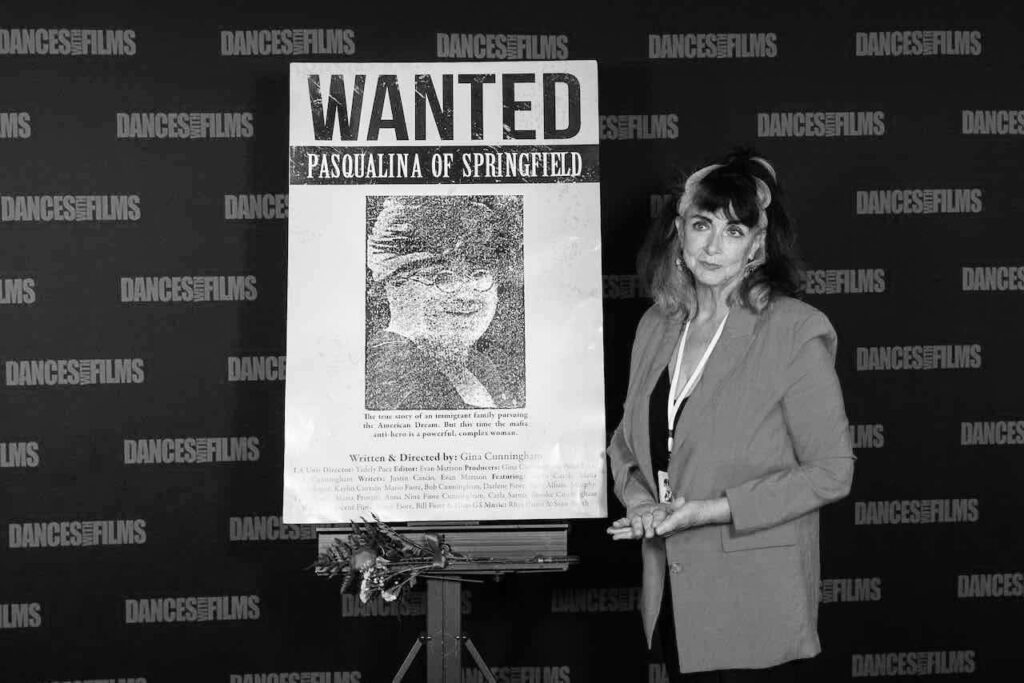
I’m a novice director, who also happens to be a disabled mom and grandmother. After various careers as a restaurateur, social activist, high school teacher, and visual artist, I felt compelled to make my documentary film at 66 years of age when I researched the history of my great Aunt Pasqualina.
-What inspired you to become a filmmaker?
I needed to tell the true story of my Italian immigrant family following a familiar path to pursuing the American Dream. In Pasqualina of Springfield, the mafia anti-hero is a powerful, complex woman. The gangster movie genre has not been about female central characters. Pasqualina of Springfield couldn’t be timelier.
-Do you think the cinema can bring a change in society?
Cinema has contributed to many societal shifts for more than a hundred years continues to influence culture in sometimes positive, other times negative ways. Cinema is one of the most influential and powerful art forms. Movies have shaped the world we live in, and their power can’t be ignored.
-What would you change in the world?
My list is too long for this interview, but to start; I’d like to stop the injustices caused by racism. I’d raise awareness of the fact that North Americans occupy and continue to destroy land stolen from Native Americans. I’d change the situation where I live in Los Angeles. The United Nations has declared certain areas humanitarian crisis zones because as many as 70,000 unhoused people exist on the streets in this wealthy city in absolute squalor. Far-right nationalism grows around us. War, out-of-control capitalism, and all the destruction it brings, I wish I could change these problems and more.
-Where do you see the film industry going in the next 100 years?
Ha-ha! I really do not know where the film industry will be in the next 100 years. When I was growing up, I was clueless. I didn’t know we would have streaming, digital images, online platforms, etc. I’m not super high-tech. So, I can’t imagine what experiences the future will bring, but I know human beings are natural communicators. There’s cave art 40 thousand years old telling stories. So, I assume we will always be storytellers.
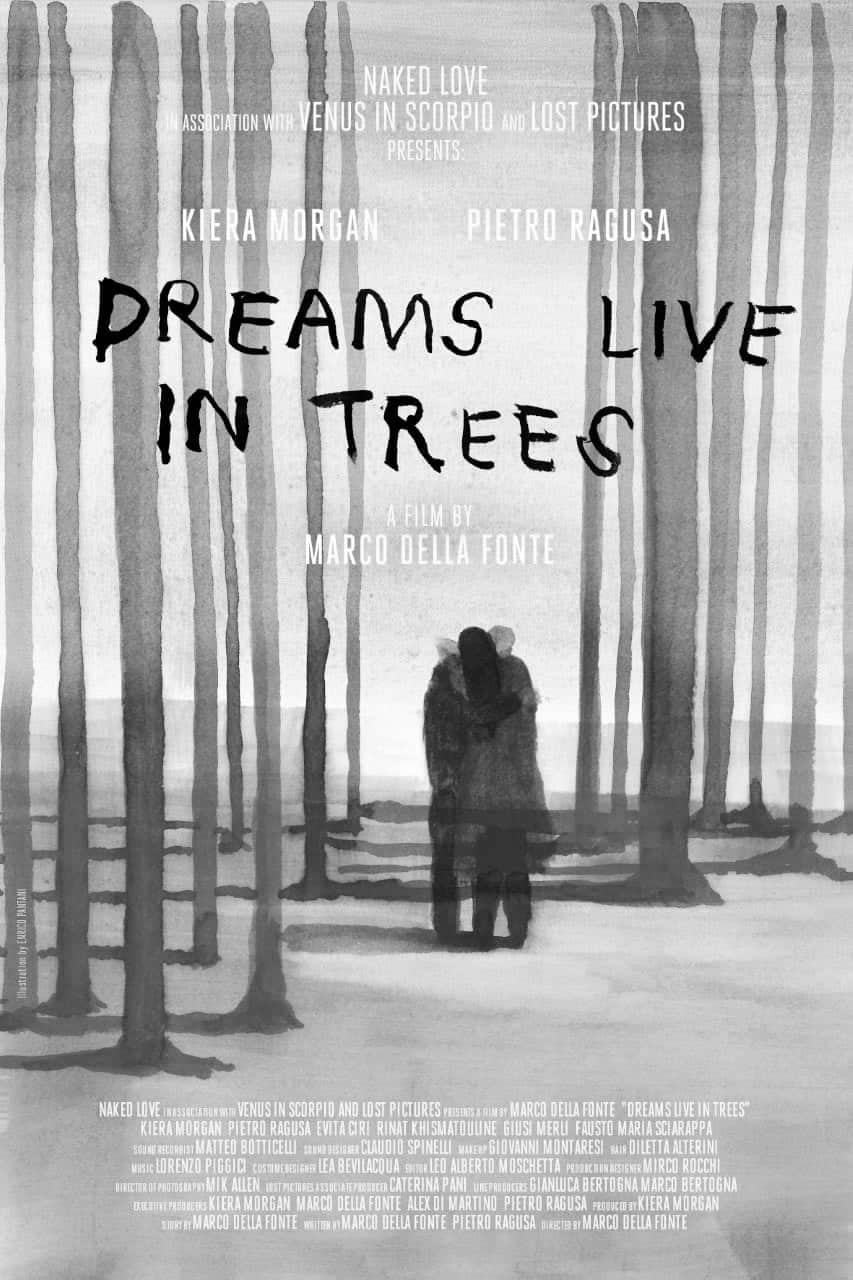
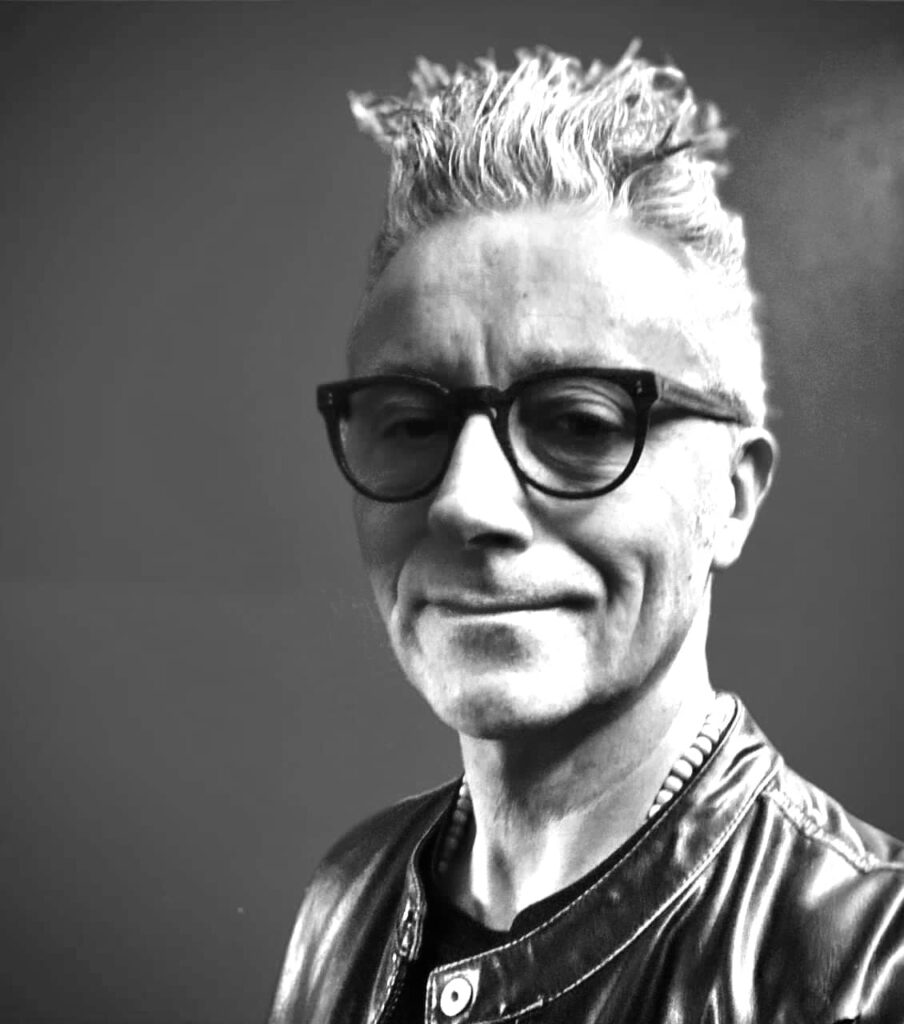
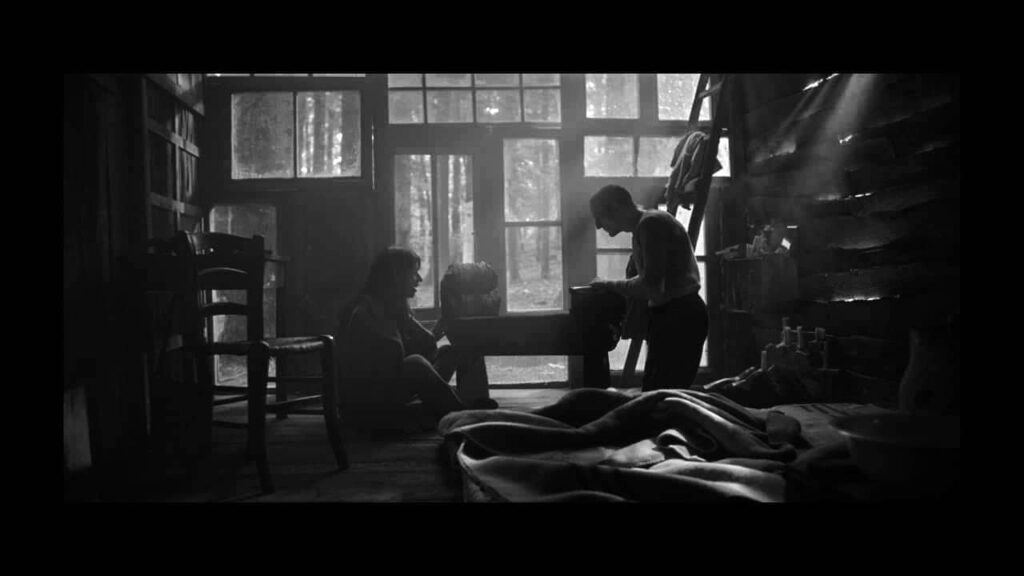
I am an ordinary man who makes an ordinary life. I have a family that I love.
The difference is that I live for the cinema and its representations. So I live “normally” but in my human and artistic dimension that has generated over the years, within me, a kind of clear “mission” in my life: telling stories that can touch the hearts of others.
-What inspired you to become a filmmaker?
At the age of 14 after school I worked as an assistant to a photographer. I learned the technique of images, but at the same time, I felt something inside of me, an attraction to the world seen through the lens of a camera It takes me into a different world where I fully recognise myself.
I recognise in myself the world I see through a camera. As if for me that “reality” (seen through the camera) represented the true nature of things and the world.
-Do you think the cinema can bring a change in the society?
YES! It absolutely can contribute to a change of thoughts and culture. As well as all art in general. Cinema tells stories. Our life is made of stories. And the history of the world is made of stories. What is different is how one sees and perceives these stories. It is not enough to relate to the stories around us with a passive attitude. To change our personal condition as human beings, stories should be an opportunity to change ourselves, along with others. The problem is that today there is not this kind of artistic and creative ferment. The Nouvelle Vague represented a revolution in the thoughts and ways in which stories were told. The difference, therefore, in the end, is deciding whether to remain conservative or to be dreamers, people who want to change the world. Throughout the history of the twentieth century, ideology and utopia have contributed to an improvement of human beings from a reversal point of view, revolutions of certain systems, as well as a radical change in emotional relationships. Today we are experiencing a period of global uncertainty and human beings need to regain confidence in themselves and their potential. I am absolutely convinced that cinema helps to find oneself.
-What would you change in the world?
Ignorance begets monsters. So does greed and lust for power. Capitalism has generated an illusory lifestyle in which consumption and lifestyle push us to consume useless things. I believe that the “evil” of the world comes mainly from the imperialist mentality that certain nations still have. Especially America thanks to the support of Hollywood propaganda has always tried to find the evil enemies in their stories: in the 60s’ enemies were the Native Americans, then the Vietnamese, Cambodians, the Russians during the cold war, Cubans, Arabs, Palestinians, Iranians, and finally Chinese. I would like to say that this imperialist propaganda system, even in cinema, has generated only a distortion of history which, in turn, has produced a prejudice and a judgment on different ones, on those who feel different or outside this logic.
–Where do you see the film industry going in the next 100 years?
I believe in the positive potential of human beings and therefore in the future I see a return to the simplicity of life. Now we see everything, especially in the entertainment industry, where stories are built in dystopian worlds, sometimes terrible and catastrophic worlds, where humanity often has no hope or has to fight with “higher forces”. There is an overabundance of visual information, a visionary overdose that also extends in the social network, in which even ignorant people feel the protagonists of nothing. There are many Apps that make you more beautiful (but still not smarter) and Apps that generate VFX that we can use in our personal lives. All this “quest for nothingness” I hope will lead humanity to a collective awakening that could dust off the simple stories that reach everyone’s heart.
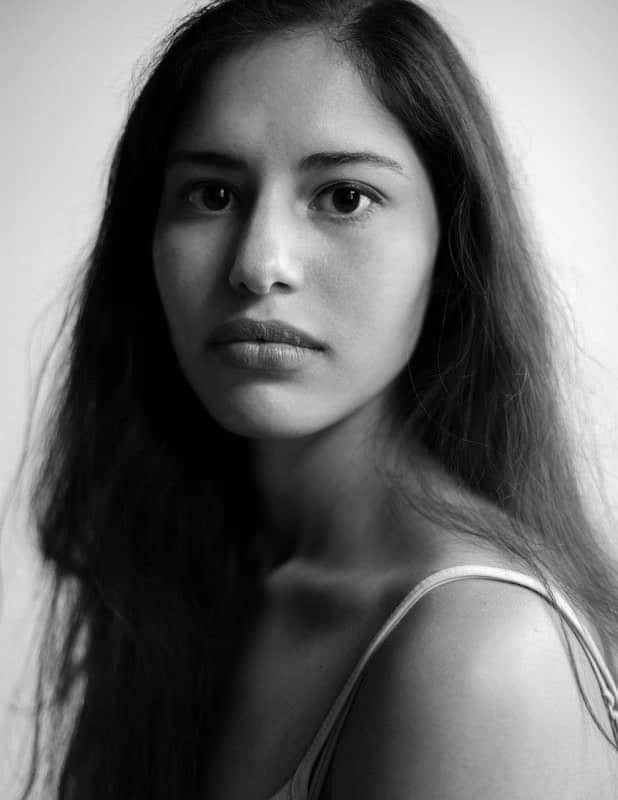
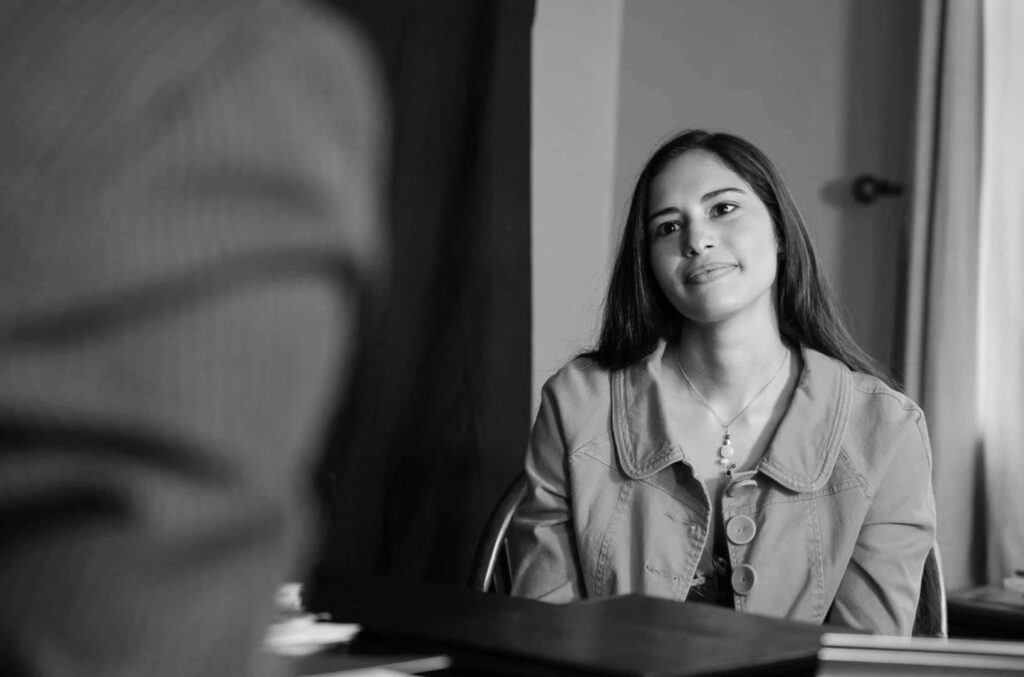
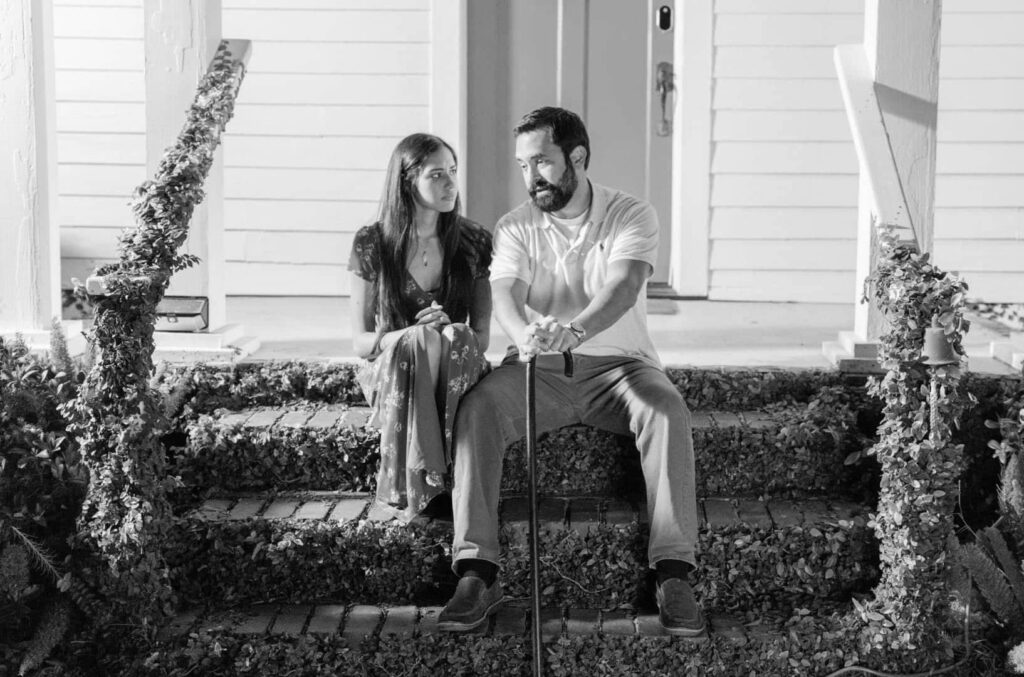
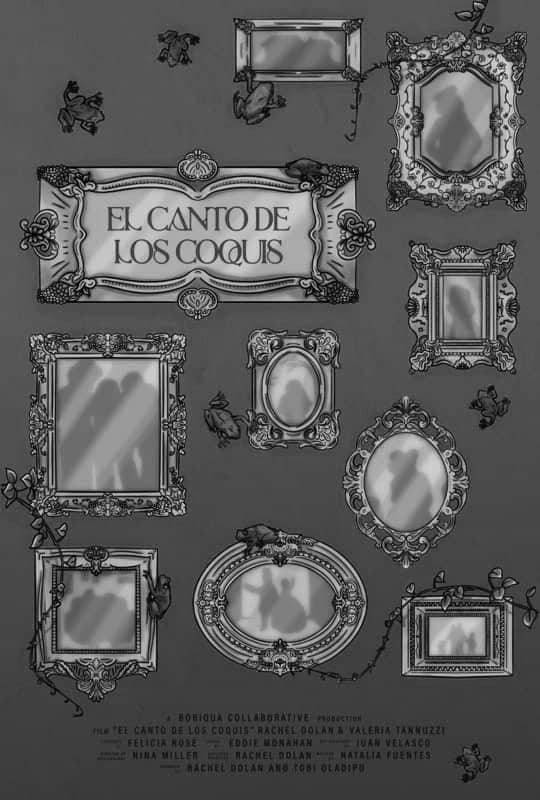
Rachel Dolan is a Latina theatre artist, actor, writer, and filmmaker. Her love of theatre and film was sparked at an early age, a passion she knew she could not live without. As a theatre artist in her local community, she focuses on social justice themes, contributing to shows which focus heavily on the voices of those that are unheard or historically ignored. Rachel gained her Bachelor of Arts in Theatre from Temple University in Philadelphia and most recently acquired her Master of Fine Arts in Performing Arts from the Savannah College of Art & Design. As an actor and theatre artist, Rachel has an additional curiosity in all roles in theatre and film, spending time as a theatre apprentice, and eventually creating her own short film during her graduate program at SCAD. Creating her short film, El Canto de los Coquis quickly became an opportunity for further exploration of creativity, craft, and a love letter for Puerto Rico as seen through the eyes of a Puerto Rican-American woman. Rachel’s love for creating live beings through acting, reflecting the reality individuals must endure as well as welcoming space for new perspectives and voices was expounded upon through the creation of her film. She has a passion for art, empathy, creativity, collaboration, education, and the drive to contribute to the world in a positive way.
–What inspired you to become a filmmaker? I absolutely love to write. Writing gives me a sense of peace, an opportunity to process life into a world of creativity, one in which there is freedom to be our whole selves. Because of my love of writing, I would often create my own plays, as an actor, my own monologues and scenes, and my own scripts. The process is exhilarating, in a similar way acting is. One is bearing their soul, feelings, and emotions for others in hopes that they, too, feel truly seen in a world where we feel we must hide who we are for safety, from the pressure of others, or sometimes out of our own fear. The stories that come alive through writing then have the opportunity to be shared with others, to be felt by an audience, and exist to promote discussion or education, empathy or understanding. One of the most important reasons why I became an artist and filmmaker is for others to feel seen, heard, and to feel less alone. Witnessing a character living through a struggle in their life or something they cannot see their way out of and eventually overcoming it, becomes transformative for an audience because we can all identify with the human condition and a journey in which we are constantly discovering what we need and who we are. We all have a place in this world, and not only should we share our own unique perspectives and who we are, but we should also encourage others to do the same. I created my short film partly because I felt like there was no space for me, struggling with the complexity and experience of being a Latina and American, but also to communicate that those who might feel the same way are not alone and that it should be encouraged to accept all that we are. The other importance for me was that I know what it is to struggle and to come from a community that does not have the support that they should, but in that place still lives joy and love and opportunity. If I can dream and create and continue to rise above obstacles, then I would love to inspire those who also experience barriers to overcome them.
-Do you think the cinema can bring a change in the society?
I absolutely believe that any form of art, film, theatre, and more can become a catalyst for change. We have the unique opportunity as artists to impact individuals in ways that others may not. Artists work in the language of souls, being and living, in that which cannot be seen but that is felt. Cinema has the opportunity to welcome conversations, change viewpoints and bring people closer. Cinema is often categorized as entertainment, but it also has the capacity to educate. We find ourselves more open to storytelling or experiencing another journey through art, whereas we may not be so inclined in other facets of life. Many may argue that film is based in fiction, although art mimics life, even art that may not be so overtly grounded in what we view is normal reality. Cinema compels us to consider what is beyond our everyday, even when we are presented with what may be viewed as daily life. Stories are slowed down and viewed on a larger scale, moment to moment is witnessed which is often glazed over in daily life. In cinema, moments are not passed, they are savored, and display life being lived, considered, and felt. I often argue that fact and statistics, although useful, are cold and unapproachable to many people. Numbers are distant, they can be brushed aside. However, when one is faced with an individual who may be included in the statistics discussed, they are humanized. They become someone who reminds us of our mother or friend, or even ourselves. Change is brought about through feeling and responding, something cinema will not allow audiences to turn away from. Throughout history, cinema based in documentaries, narratives, and any type of work has inspired change whether unearthing truth which has been kept in the dark or asking us to face that which has remained hidden within ourselves, and it will continue to do so as time moves on. Cinema inspires, challenges, illuminates, and welcomes individuals to be transformed and in my opinion, that is the best kind of art there is.
What would you change in the world?
Incredibly, there is an innumerable amount that people have discovered or achieved, but there also is so much more we are unaware of or have gotten very wrong. So many lives are being uprooted by countless issues in our world and of course everyone should be working to better these occurrences. As individuals, we can only help to better things where we can, making differences in the ways we are able to. Together, we have the capacity to better living situations on a larger scale and work to ensure that people’s basic rights and needs are met. Of course, I would love to see a world where people do not suffer, although it is not the one we live in. However, we can still try to alleviate that suffering when we are met with it, on whatever scale that may be. People wish to be seen, heard, understood, loved, included, and valued. In my own life and work I attempt to meet those needs and feel that if we can individually meet people with kindness, we can make steps towards positive change. I would also love to see the arts valued for how they impact people and the world. Funding, education, and excitement about the arts should be promoted, not stripped away. Not only because art can promote joy or assist in processing issues in our own lives, but because it fosters empathy which the world needs more of. If we can better learn to understand, listen, and close the divide between peoples, we may have a better chance of creating change that is rooted in action.
-Where do you see the film industry going in the next 100 years?
I think the film industry has its problems like any, but it continues to move in the direction people are calling for. It pushes society forward, even when society may not want to follow it, but it is what is needed. Artists and filmmakers can often be the most open minded, and inclusive group of people because we are asked to analyze life, to listen to what is around us and to invite conversation and collaboration. We are a group that considers the disciplines of history, technology, anthropology, psychology and more into an art form that asks us to face what we must and look towards where we wish to go. I hope, and I believe the industry will continue to become more inclusive to all individuals, especially those that fall outside of the normative societal view. Technology and equipment may become even more detailed in extracting true essences of life and I also believe performances will move in the same vein. Art movements follow life and world events, and cinema will continue to experience groundbreaking changes as will people and the world. I do have hope that all things will move towards a better future and that cinema will remain thriving and celebrated and will not only capture these changes but drive them forward.