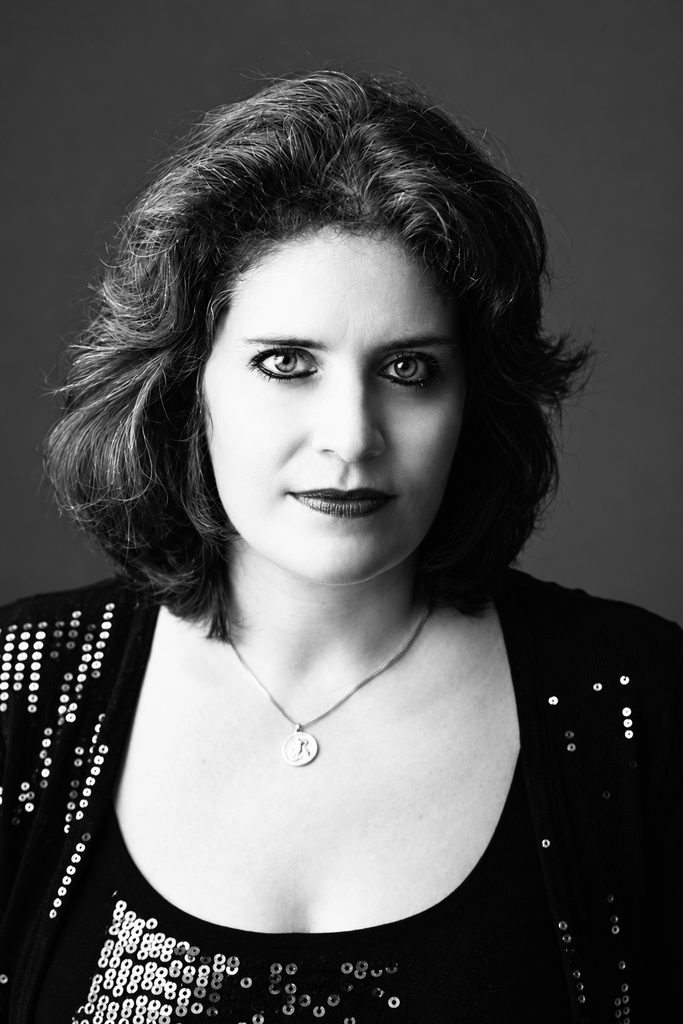
“The Romance Scamming King” (EXCLUSIVE) Interview with Jasmine Buchner

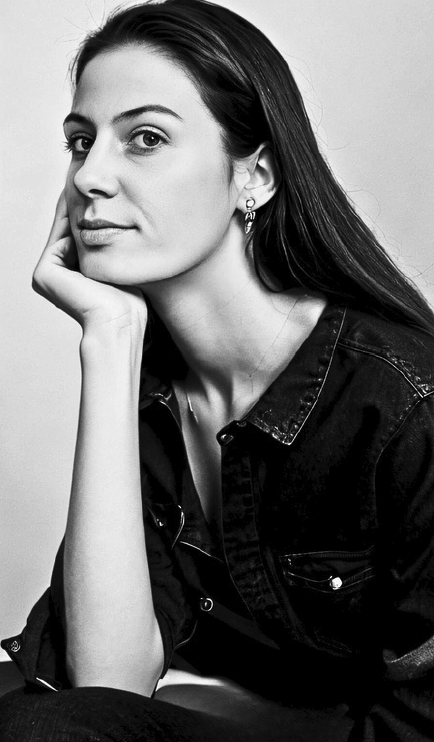
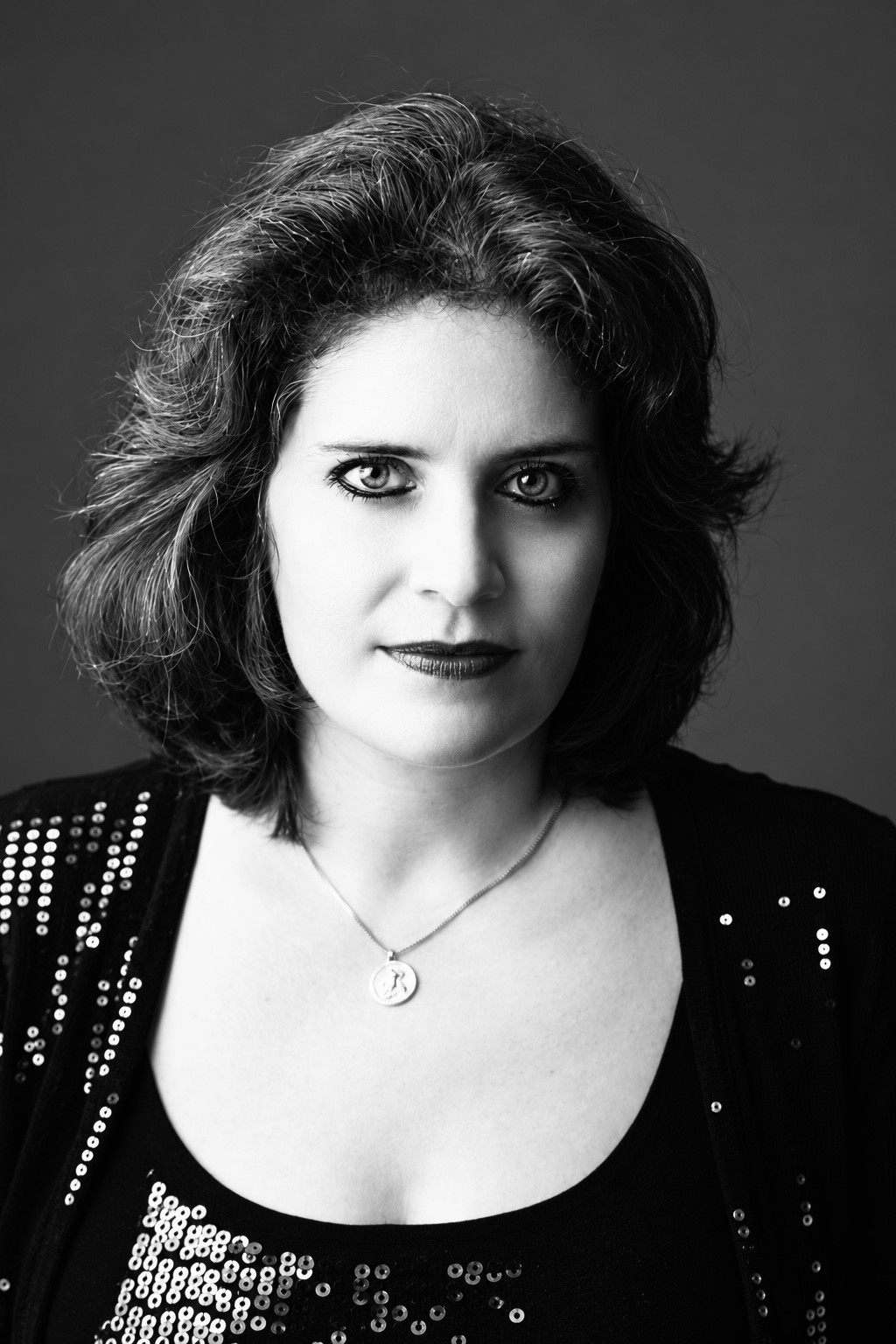
-Who is Jasmine Buchner?


“I’m an independent publishing entrepreneur, author, and photographic artist, born in Munich, Germany, on August 29, 1978. Without the backing of a literary agency or traditional publisher, I have built both my publishing career and an international
platform for my work. I publish under my artist name, which is legally protected as both a registered word mark and a figurative mark by the German Patent and Trade Mark O ice (DPMA). My German-Austrian heritage is an important part of my identity; my
father’s family comes from Vienna. My work is shaped by a distinctive blend of creative writing and psychological inquiry.

I studied linguistics at the Open University, focusing on English, Italian, and French, and completed a creative writing program at the Open College of the Arts. On August 1, 2026, major German news outlet Merkur.de published an author profile titled “Jasmine Buchner Takes On Romance Scammers—Worldwide.” The profile has since attracted more than 50,000 views on Instagram alone, further expanding the international reach of my work. My background in social psychology, together with my ongoing studies in clinical and criminal psychology, informs both my fiction and my analysis of how emotional manipulation and cyber-grooming operate in the real world. I’m currently completing a new dark psychological thriller with an American noir sensibility, which is being prepared for submission to a leading literary agency in Germany. My goal is always to transform raw, lived trauma into gripping, powerful stories that confront the stark realities of our digital world.”


-Tell us about your book, The Romance Scamming King.


“The Romance Scamming King is a distinctive blend of psychological thriller and true crime. Conceived as a fictionalized case study and grounded entirely in my own lived experience, it combines narrative suspense with raw authenticity. The book exposes
how international syndicates systematically weaponize empathy to pull people into the machinery of digital organized crime.
The original German-language edition has sold steadily for two years and has gained recognition for its treatment of the subject. Without the infrastructure of a traditional publisher or agency, I have independently developed, positioned, and marketed the
book, turning its reach into an entrepreneurial achievement as well as a literary one. My analysis of these manipulative tactics has also attracted attention from feminist publications, including a Vienna-based magazine, extending the discussion beyond the
book’s original readership.
The e-book recently reached No. 2,280 in Amazon’s Private Investigators category and No. 3,743 in Psychological Thrillers. The international response extends well beyond those rankings: my November book tour, organized by Nicola Winters and Ace Book
Tours, filled every available spot within 48 hours and will feature more than 20 book bloggers from the United States and the United Kingdom. The book has also generated more than 172,000 organic impressions on my instagram account and entered Amazon UK’s overall Top 10,000.
My writing is intensely cinematic. I want each scene to unfold with such visual immediacy that it plays like a film in the reader’s mind, drawing them fully into the characters’ experience. At its core, the book delivers one unequivocal message: victims
are not naive; they are survivors of a deliberate and highly sophisticated psychological attack.”


-Which writer inspires you most?


“I’m deeply inspired by Julie Clark’s exceptional psychological suspense and her ability to build intricate, high-stakes plots around resilient characters confronting profound deception. The way she layers tension while exploring both the vulnerability and strength
of her protagonists closely reflects what I strive for in my own work. I’m also drawn to the brooding atmosphere and grit of classic American noir, as well as the structural rigor of traditional German analytical prose. That combination keeps me attentive to precise detail and ensures that every sentence carries weight.”


-Which director inspires you most?


“Visually and atmospherically, I’m a great admirer of David Fincher and Martin Scorsese. Fincher’s command of shadow, precision, and sustained tension in films such as Zodiac and Gone Girl closely aligns with the visual identity I pursue in both my photography and my writing. Scorsese’s work draws me for a di erent reason: his portrayals of criminal networks retain their human complexity without softening their violence. Together, those influences capture the psychological control, moral tension, and American noir energy that drive my work.”


-What do you dislike about the world, and what would you change?


“What troubles me most is the superficiality of modern digital culture: how easily empathy can be performed and how readily victims are blamed. We live in a world fixated on surface-level fame, while insidious, largely invisible forms of manipulation are
too often met with silence or scorn. If I could change one thing, I would break the taboo surrounding psychological abuse. I want to replace disposable entertainment with stories that matter—stories that give people the awareness to recognize deception
before it destroys their lives.”


-How do you imagine cinema 100 years from now?


“A century from now, AI and virtual reality may have transformed the way films are made, but our hunger for genuine psychological depth will be greater than ever. Cinema will no longer be something we merely watch on a screen; it will become a fully immersive experience. Technology, however, is only a tool. The heart of cinema will always be the raw human soul. Great films will not be defined by digital e ects, but by the courage of their creators to reveal the unvarnished truth of human nature.”


-What is your impression of WILD FILMMAKER?


“WILD FILMMAKER gives independent artists and arthouse filmmakers a platform without asking them to dilute their vision for mainstream expectations. Its presence at festivals such as Cannes, Venice, and Toronto connects distinctive work with an international audience. For an artist working with dark, psychologically driven material, that commitment to substance and individual voice is what makes the platform especially relevant.”
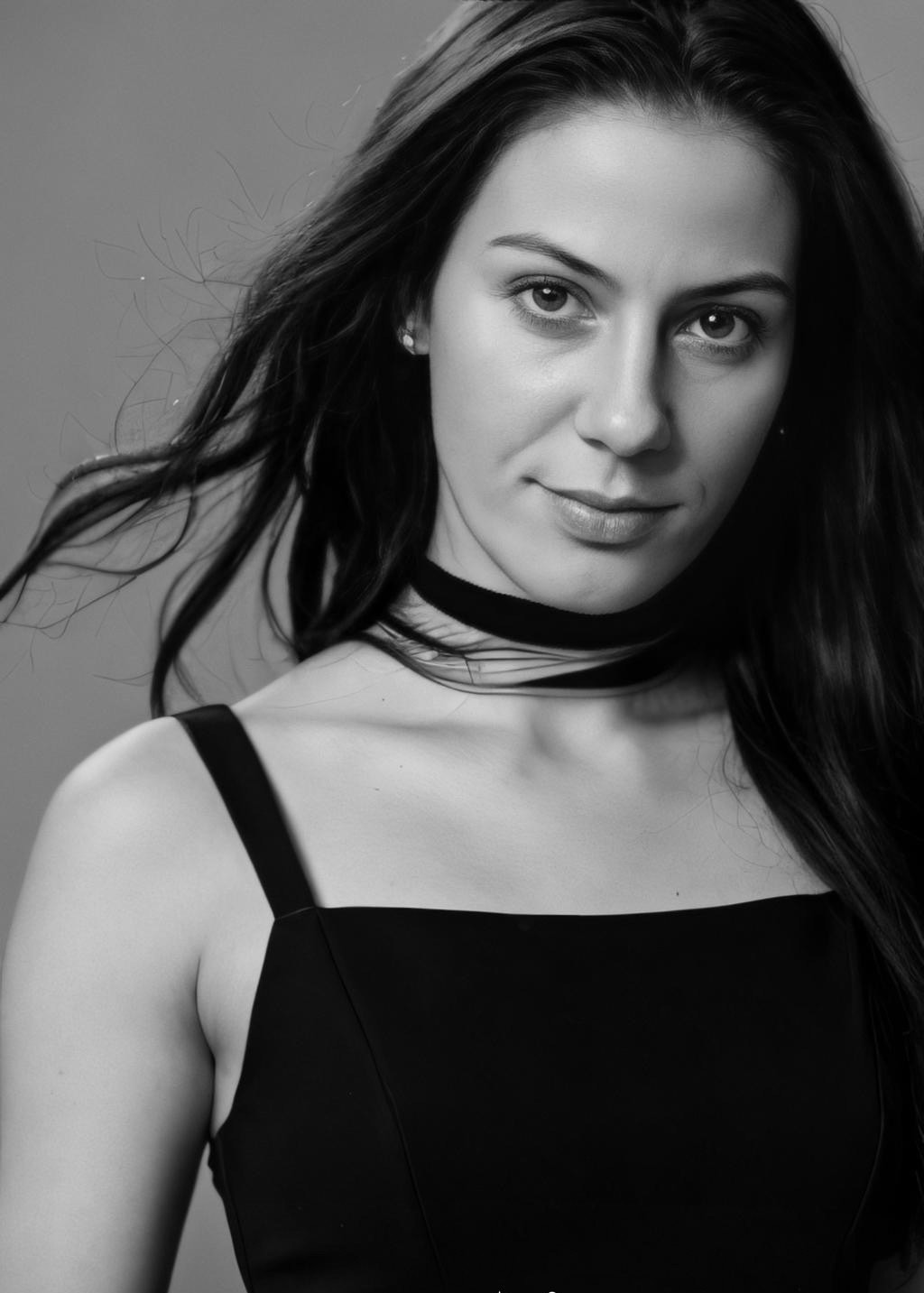
“Passions” (EXCLUSIVE) Interview Patrycja Skawska

-Who is Patrycja Skawska?


I am a Polish director and filmmaker, but above all, a curious observer of life. I am fascinated by people who devote themselves to something with extraordinary passion, especially those whose stories might otherwise remain unnoticed. My films often explore loneliness, the need for belonging, human connection and the search for meaning. I am particularly drawn to people who create their own worlds through their passions, sometimes in circumstances that seem impossible to overcome. My path to filmmaking began with a background in acting, followed by a professional course in directing and cinematography. Working across different countries and cultures has shaped the way I see the world and deepened my curiosity about how we experience life, find meaning and relate to one another. My directorial debut, Rap Like Grandma: Suni & 7 Princesses, took me to South Korea, where I encountered a group of elderly women who, after learning to read and write later in life, began transforming their poetry into rap. The documentary has received numerous international awards, including the Audience Choice Award at the Vindhya International Film Festival, Best Documentary Short at the Milestone International Film Festival and Best Women Empowerment Film at the Milan Indie Film Festival. In Greece, I directed Like a Rolling Stone, a documentary about Panagiotis Manikis and his lifelong dedication to natural farming. The film explores our relationship with nature and reflects on contemporary ideas of progress, consumption and the ways we choose to live. It received the Grand Prize at the International Taygetos Film Camp. My third documentary, Passions, brought me back to Poland and to the story of Tadeusz Modrzejewski, who spent more than thirty years hand-copying the works of Nobel Prize-winning author Władysław Reymont. His extraordinary devotion became a starting point for a reflection on artistic vocation, cultural memory and what it means to dedicate a life to something deeply personal. The film has received three international awards at the Pageant Film Festival, London Indie Film Festival and Mei International Film Festival. Although these stories unfold in different countries, cultures and circumstances, they are connected by my fascination with people who follow their own paths and remain deeply devoted to what gives their lives meaning. I am interested in lives that are not necessarily defined by conventional ideas of success or recognition, but by commitment, curiosity and a sense of purpose.
I believe documentary cinema can preserve not only stories, but also memories, values and ways of seeing the world that might otherwise disappear. Through my films, I want to create space for voices that are rarely heard and invite audiences to reflect on their own ideas of purpose, belonging and the different ways a meaningful life can be lived.

-Do you remember the exact moment you fell in love with cinema?


I fell in love with cinema relatively late, and it happened gradually rather than in one particular moment. For half of my life, I didn’t have the opportunity to watch films, and cinema was never my favourite art form. I started with short documentaries, then moved on to psychological films and longer forms, which expanded my perception of the world. Through paintings, art exhibitions and photography, I began to see reality in frames, experimenting with images myself and carefully observing the world around me.
What fascinates me about cinema is its limitless creative potential. It allows multiple narratives to unfold simultaneously, exploring various issues and events through different layers. Sound, imagery, screenplay and narration offer distinct ways of conveying meaning, while metaphors introduce additional depth. Cinema can evoke emotions in countless ways and stimulate the imagination, allowing viewers to discover interpretations that the filmmaker may never have consciously intended.


-Tell us about your project “Passions”.

“Passions” is a documentary about Tadeusz Modrzejewski, a man who devoted more than thirty years of his life to hand-copying the works of Polish Nobel Prize-winning writer Władysław Reymont and bringing the world of his novels to life through painting. I met Tadeusz just three months before his death. What began as a film about an extraordinary dedication to literature became something much more personal: a reflection on solitude, the passage of time, the meaning of creation and the invisible forces that guide our lives.
The story begins with a dream, which becomes the first thread connecting two lives separated by time. Reymont, who preserved the spirit of rural Poland through his writing, and Modrzejewski, who devoted decades to preserving and reinterpreting those words, enter into a quiet dialogue. Built around Tadeusz’s last recorded interview, the film is not a conventional reconstruction of his life, but an exploration of the choices, beliefs and passions that shaped it.
I was fascinated by the question of what makes someone dedicate decades to an activity that may never bring recognition or material reward. Where does such devotion come from? Is it passion, a sense of mission, a spiritual calling, or perhaps something we cannot fully explain? How does passion become a way of living rather than simply an interest?
The film moves between memory, imagination and reality, exploring the relationship between an individual and their inner world. Solitude becomes the beginning of creation, while the candle, a recurring visual motif, symbolises both the fragility of life and the persistence of the creative spirit.
For me, “Passions” is also a story about cultural memory. Tadeusz’s work became an act of preserving not only literature, but also the Polish language, traditions and a vision of life rooted in simplicity and a profound connection with nature. Every culture survives because there are people who quietly decide that it is worth carrying forward. At the same time, the film raises questions that extend far beyond one man’s story. What gives life direction? Is creative freedom still possible in a world increasingly shaped by visibility, constant noise and the need for approval? What does it mean to follow one’s own path, even when it leads away from
conventional ideas of success?
One sentence accompanies the entire film: “In hopelessness, there is hope.” I have never understood it as blind optimism. For me, it speaks about the courage to keep searching for purpose, even when the way forward is uncertain. It reminds me that life is never simply black and white, and that meaning can sometimes be found where we least expect it.
Ultimately, “Passions” is an invitation to slow down and look at a life measured not by recognition, but by dedication. It is a reflection on creative independence, the preservation of memory and the courage to remain faithful to one’s own values. Above all, it asks a question that has no single answer: what gives a human life meaning?

-Which director inspires you the most?


I admire Almodóvar for his unconventional visual language, bold use of colour and expressive compositions. His ability to combine melodrama with dark humour while exploring human relationships, desire, identity and the contradictions of human nature makes his films particularly compelling to me. I appreciate how he uses imagery to express emotions that dialogue alone cannot capture. On the other hand, there is Miyazaki, who inspires me through his approach to storytelling, the construction
of his screenplays and the way he guides the unfolding of events. His films are rich in metaphors, symbolism and hidden messages. I particularly appreciate how he portrays reality through his unique visual language, exploring profoundly human experiences, our relationship with nature and the delicate boundaries between good and evil. His stories embrace the complexity of life, leaving room for mystery, reflection and meanings that reveal themselves differently to each viewer.


-What do you dislike about the world and what would you change?


What troubles me most is the system that shapes modern life. How time is spent, the lifestyles that are encouraged, and how the human mind responds to activities and forms of entertainment designed to capture its attention. I find it disturbing how little space is left for searching for truth, connecting with nature or questioning the purpose of existence. So much time is devoted to choosing professions, pursuing careers and building social status that the spiritual journey and the fundamental questions of why we are here and what gives life meaning can easily be forgotten.
I believe in our capacity for self-sufficiency, yet the pursuit of wealth, power and social status has led us to spend much of our lives earning money only to buy things that, at least in part, we could provide for ourselves. Growing food, cultivating plants for natural remedies, making cosmetics or simply understanding what the earth can offer us are examples of knowledge and independence that have gradually been pushed aside. Instead, consumption has become an integral part of everyday life, while our connection with and responsibility towards the very thing our existence depends on, the nature, has weakened.

I believe there is room to reconsider this relationship, to understand the value of the soil beneath our feet and recognise how closely our own well-being is connected to the health of the planet. These questions are also reflected in the stories I search for in my films. I am drawn to individuals who follow their inner calling, question conventional definitions of success and refuse to let material possessions determine the meaning of their existence. Their dedication, independence and search for purpose fascinate me, particularly when their choices challenge the expectations of the society around them.
If I could change something, I would want to challenge the systems that shape our desires and our relationship with time, creating more space for reflection, independence and a renewed connection with nature.


-How do you imagine cinema in 100 years?

I imagine cinema becoming increasingly immersive, with technologies allowing audiences to experience stories in ways we can barely imagine today. The boundaries between film, virtual reality and other artistic forms may gradually disappear, opening entirely new possibilities for storytelling. At the same time, I wonder whether technological progress will make us appreciate simplicity even more. Perhaps, surrounded by increasingly sophisticated images and artificial creations, we will develop a deeper
longing for authenticity, imperfection and genuine human experiences. I hope cinema will remain a space for experimentation, artistic freedom and personal expression, rather than becoming entirely shaped by algorithms and commercial expectations. Whatever form it takes, I believe its essence will remain connected to our desire to understand ourselves and others, to imagine what we have never experienced and to discover new ways of perceiving reality.


-What is your impression of WILD FILMMAKER?


What I appreciate most about WILD FILMMAKER is that it gives independent filmmakers a voice and creates opportunities for their work to be seen and heard beyond traditional industry structures. I particularly value the space it offers to share not only films, but also the ideas, experiences and personal perspectives behind them. Through its interviews and international community, it allows us to discover filmmakers more deeply, understand their creative journeys and encounter different ways of seeing the world. I believe there is great value in exchanging ideas, learning from one another and finding inspiration in perspectives we might never otherwise encounter. For me, WILD FILMMAKER represents something important: a space where cinema is not simply about recognition, but also about connection, dialogue and the freedom to express an individual artistic vision.

“Anguish” (EXCLUSIVE) Interview with Daniel McEwan

-Who is Daniel McEwan?

Well, I’m many things, a son, brother, friend, writer, filmmaker, triathlete, a recovering alcoholic and drug addict, a man of God, but above all else, I’m just a guy trying to do the next right thing. Trying to be of service and help where I can. Trying to be a better man than I was yesterday and hopefully I can inspire someone, or give them hope. When I see that smile, or look in someone’s eyes, how grateful they are for something I did, words can’t describe. Then they want to ask how they can repay me? Seeing them do well means more to me than they can ever know. Giving love to people will always feel better than receiving it. I love when I get recognition for something I worked hard on but when I get to help someone, truly help someone, there is no better feeling in the world!

-Do you remember the exact moment you fell in love with cinema?

The first movies that got me into story telling and nerdy things were The Avengers (2012) and The Dark Knight. The Dark Knight is still my favorite movie and The Avengers is still in my top 5. They are definitely movies that I’ve watched the most in my life. But the movies that got me to want to write and make films are, Whiplash, Goodfellas and Pulp Fiction. They showed me that movies can be so much more than just big action set pieces. They can be dramatic and tell a grounded, human story and be just as inspiring, and amazing as a big action movie!

-Tell us about your project “Anguish”.

Anguish is a fictionalized vision of my addiction and mental health journey. I’m currently in recovery myself from alcohol and drugs as well as struggling with depression. I had the idea for the film and thought it would be really emotional and powerful. I wrote about 20 to 30 pages, then kinda set it aside and went off to other projects. I had a really bad relapse and when I was beaten up and coming off all the horrible things I put into my body, I had a big rush of inspiration. I wrote for two days straight, while the pain of yet another relapse was still fresh. I wrote most of the script in those two days but as I learned more about my own recovery, I would add and remove things. That probably went on for a few months and I finished it up once I got out of treatment and to see it do so well is amazing! I’m now coming up on 6 months sober and the fact that this specific work of mine is doing so well, means the world to me! My hope is it gets made and helps someone who is struggling. I love how art can say things that are hard for people to say. So when I start a new project,  I ask if it can help someone, and I think Anguish can!

-Which Director inspires you the most?

Christopher Nolan for sure. I love his work and as I said, The Dark Knight is my favorite movie. I also love Interstellar, Oppenheimer, Inception and his new film The Odyssey, OH MY GOD! Seeing that in IMax was so amazing! I love how he blends practical effects with CGI to make things feel as real as possible! Also his first film, Following, the story of how it was made and seeing where his career has gone, that inspires me to make movies!

-What do you dislike about the world and what would you change?

I wish people loved more, there is too much hate. I don’t want to push this on anyone, it’s just my opinion, it is okay if you disagree but I think it’s because people have moved anyway from God. When I was out there doing my thing, drinking and drugging, I didn’t have God in my life and I was hateful, resentful and angry. But once I got sober and started working my recovery program, I found God again. And I realized that God never left me, I left him. He didn’t move, I did. So I just wish we could be more empathic with each other and help where we can. You don’t have to do what I did but I think we can all work on ourselves in our own way and try to be a better person than we were yesterday. We are all a work in progress and for sure I am! 

-How do you imagine cinema in 100 years?

100 years is a long time. AI scares me for sure but I also think it can be useful. I hope that film keeps telling the stories that should and shouldn’t be told, you know? I hope movies keep making people laugh, cry, think and most of all, feel. That’s what great art does, make you feel something. And just because you or I don’t feel something from a film, someone else might! Which is why I think all films and art have a place in this world! Keep making people feel something!

-What is your impression of WILD FILMMAKER? 

I think WILD FILMMAKER is amazing! I’m truly honored that they wanted to give me an interview and I hope they like what I had to say! They do great work and I’m blessed to be a part of it!

“N-W-G (New World Gangsters)” (EXCLUSIVE) Interview with John Snell

-Who is John Snell?


I’m retired and spend my time as a screenwriter and inventor from California.

-Do you remember the exact moment you fell in love with cinema?


I watched a lot of Saturday morning cartoons growing up. Johnny Quest, Space Ghost, and Shazzan to name a few, that first caught my attention with TVcinema. I suppose I really began to fall in love with cinema when I was old enough to start going to the movie theater as a young teen with my brother and sister, and friends my age and began to experience the big screen theatrical experience. Watching blaxploitation films like Shaft, Superfly and Pam Greer movies like Coffee. I also liked the spaghetti westerns with Clint Eastwood, and Butch Cassidy and the Sundance Kid. Also, things like Mission Impossible,
and the first James Bond movies. Drive-in movies were also a favorite growing up.

-Tell us about your project “N-W-G (New World Gangsters)”.


The (New World Gangsters) concept came to be when I was discharged from the Army in 1982, and moved in with mother who was living in a low income neighborhood in east Oakland, California at that time. It was the beginning of the crack epidemic, so I was seeing a lot of brown on brown violence and kids being killed over turf wars, and family members and friends becoming addicted to crack and crack related deaths in elevated numbers, which I’d never known or seen anything like that in Oakland, before I joined the Army. I was witnessing a lot of lives being destroyed.
I began to feel the brown community and the young people in the brown community were being led in a self destructive direction. One day I thought, what if the gangs and these kids who had lost all sense of self respect for themselves, and seemingly for life itself, became the solution to the problem, instead of being seen as the problem. That’s when New World Gangsters was born. An organization recruiting and training gangs to fight crime instead of committing crime.

-Which Director inspires you the most?


That would be Ryan Coogler. I love his work and what he’s been able to accomplish. And, we’re both from Oakland, so I feel that kinship.

-What do you dislike about the world and what would you change?


I’d say racism, inequality and others feeling they’re somehow better than others. As the bible teaches, all men were created equal.
I feel those who fear that teaching, and feel they are somehow better than others are taught to fear inclusiveness, unity and equality, and being secure in their own skin with that knowledge. The fact that they are no better than anyone else. My motto is to, live and let live, and don’t worry about what someone else is doing, as long as they aren’t attempting to do you harm in some way.
I feel racism is a sickness that is taught and learned. People are taught to be divisive, hateful, and uncomfortable with ourselves. Or, to want to control or limit another person’s freedom, and say that you have the right to be free, but someone else doesn’t
have the same right to freedom. I’d say, people need to learn how to think for themselves when they’re searching for their truth about reality, and not let others make those critical types of decisions for them.

-How do you imagine cinema in 100 years?


I can’t say that I would look that far ahead. I suppose cinema will evolve with the evolution of humanity, whatever that might look like in a 100 years. My focus would be on how do we make cinema better one day at a time.

-What is your impression of WILD FILMMAKER?


This is my first encounter with Wild Filmmaker. I feel any platform looking to help industry professionals progress in their journey is a valued asset to the industry. I think it’s great. Thank you for the opportunity

Experimenting to Move Forward (EXCLUSIVE) Interview with Pal Kolndrekaj

-What is your earliest memory of cinema?


I was nine years old. It was summer, the heat was beating down on the streets, and my father was often away for work.
Around that time, many Blockbuster stores had already begun selling off their stock as they prepared to close.
I remember rows of DVDs at home. I spent that entire summer watching James Bond, Bruce Lee, Sergio Leone, Michael Mann…
The following year, drama was added to our school timetable.
Perhaps I still had the images from those films in my head. I remember the class being quite shy and, by contrast, how naturally I kept suggesting things: “Ms Corona, what if I deliver the line while crossing the stage from one side to the other?”
I never felt uncomfortable putting myself forward. Quite the opposite — I enjoyed it. I liked coming up with ideas.


-And after high school?


I studied at DAMS in Rome, but I immediately began looking for experiences outside university.
At nineteen, during a writing course, I met a girl who was involved with an association dedicated to the memory of Alessandra Bisceglia, a young journalist who had passed away prematurely. She suggested that we write a play together.
Il volto della normalità was staged on September 5, 2016, at the Teatro Portone in Senigallia. I remember the theatre being full and, above all, the feeling of watching something come to life in front of an audience when, only a few months earlier, it had existed solely on the page.
From that moment on, I looked for every opportunity that would allow me to experiment, observe, make mistakes, and learn. Even my thesis, which explored the possible meeting point between arthouse and commercial cinema, became the basis for a documentary.
I had the privilege of interviewing Lina Wertmüller, Neri Parenti, and Vittorio Giacci.
That film also won an award, but the award is the least important part of that memory. Being able to listen to people who had devoted their lives to cinema was infinitely more formative.


-At a certain point, you decide to apply to the Centro Sperimentale di Cinematografia. What led you to that decision?


Covid forced me to stop, and paradoxically, that pause forced me to make a decision. I remember thinking, “Damn, am I really heading in the direction I want to go?”
The selection process was particularly tough: the previous admissions round had been suspended, which had practically doubled the number of applicants.
Getting in meant, above all, meeting other young people who shared the same obsession, measuring myself against talents very different from my own, and understanding that you don’t learn cinema simply by listening to someone teach it, but by constantly testing yourself against the way others see things.
It wasn’t always easy, but I have good memories of it. Sometimes you have to fight to make them.


-In those years, the first festivals also began to come along. What did they mean to you?


I was very happy about them, of course, but I still see them as part of my training. Through the Centro Sperimentale, I worked for two years on the Campari web series, which was presented out of competition in Venice. In 2025, three short films I had written — Kushta Mayn, L’acqua sotto la pelle and Dissidia — were presented at the European Film Festival in Lecce, and that same year Kushta Mayn, my graduation film, was selected for the Orizzonti section of the Venice Film Festival.
They were important opportunities, and I’m grateful to the people who chose those films. But I’ve only just started. What mattered to me was getting as much practice as possible, moving between genres, and working with different people and different approaches to filmmaking.
What worries me a little is when recognition turns into a kind of accounting exercise in art: selections, awards, results. They matter, of course, but a work is born first and foremost because someone feels the need to make it exist. Everything else, when it comes, deserves only one word: thank you.


-The stories you have written are very different from one another: how much of yourself has to be in a story for it to feel authentic?


I don’t think a story has to be autobiographical in terms of what happens. But the feeling behind it has to be real.
I can write about someone from another era, another country, someone who has lived through none of the things I have lived through myself; but somewhere, I have to recognise their desire, their fear, their shame. If I can’t find that point of connection, I may build the character perfectly, but it will remain an exercise.


-And when that story reaches the audience, do you prefer them to recognise what you wanted to say, or to find something in it that you never anticipated?


I’d rather lose control of it. I’m much more interested in someone feeling something I never expected than in knowing whether they understood exactly what I meant.
That is one of cinema’s most beautiful mysteries: you create an image, give it a meaning, and then someone looks at it and places a part of their own life inside it.


-How do you imagine cinema a hundred years from now?


I think the cinema of the future will end up resembling the cinema of the past far more than we imagine. The tools will change, but it will continue to do the same thing: preserve the feeling of an era. Films do not simply tell stories; they preserve the way we desired, feared, loved, and looked at the world. They are the emotional record of our time on earth.
And I do not believe at all that everything was better in the past. Quite the opposite: the average quality of images has risen enormously. Today, a thirteen-year-old can pick up a smartphone and shoot images that, technically, would have required enormous resources only a few decades ago. And that is because they grow up surrounded by images. They absorb them, developing an instinct for framing, rhythm, and editing at a very early age.
That is where the great difference from the past lies.
Before, making a film meant going through years of work, and that difficulty forced you to learn how to master the image before you could produce it. Today, the opposite often happens: we can produce images before we have learned how to master them. And we end up being mastered by them.
But I think it is mainly a matter of time: learning to master them as quickly as we produce them. That, I believe, is where part of cinema’s future will play out.


-And now?


At the moment, I’m working to secure the funding to bring my next short film, La Roma Bene, to the screen.
The fact that the screenplay has received attention from Slamdance, BlueCat, and Outstanding Screenplays means a great deal to me, but there is still a long way to go…

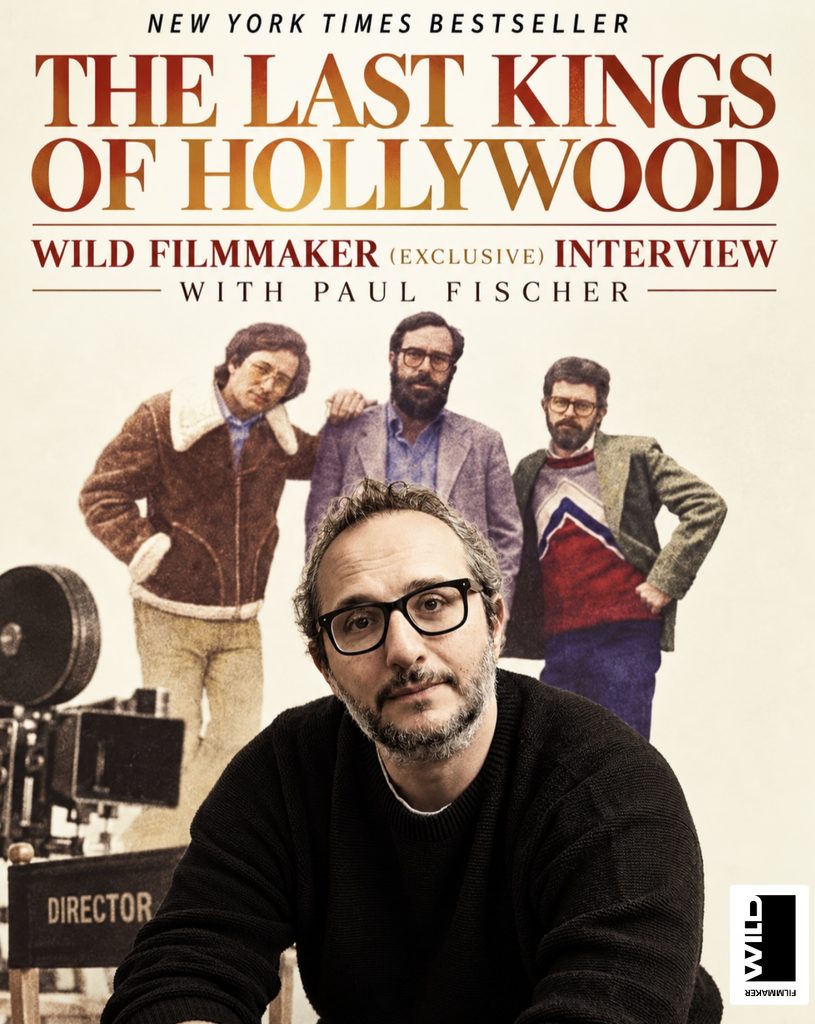
“THE LAST KINGS OF HOLLYWOOD” – NEW YORK TIMES BESTSELLER – WILD FILMMAKER (EXCLUSIVE) Interview with Paul Fischer

-Who is Paul Fischer?

I am an author and screenwriter, primarily based in the United Kingdom.

-Do you remember the exact moment you fell in love with cinema?

I remember being very young, maybe four or five, and going to my dad’s shelf of VHS tapes on a rainy day, and pulling out the cassette of Raiders of the Lost Ark, because I was intrigued by the cover artwork. I put it on and was completely overwhelmed by it. The music, the swashbuckling, the adventure, the melting faces. I was into movies from then.

-Tell us about your book “THE LAST KINGS OF HOLLYWOOD”.

THE LAST KINGS OF HOLLYWOOD is about the friendships and early careers of Steven Spielberg, George Lucas, and Francis Coppola, and how they set out to take on an American film system that, at the time and in their eyes, was failing and dying. They wanted to make personal films that were also popular films, or popular films that were also personal films — where to draw that line was part of the dilemma — and they wanted to find a way to have creative and financial control over their work, like artists, instead of being essentially studio employees. The book follows them from the moment they meet, in the late 1960s, to about the mid-1980s, when they were the biggest filmmakers arguably in the world. 

-Did you expect this book to make it onto The New York Times’ list of the most successful film books?

I didn’t, partly because I try not to worry about anything other than writing the book. If people like it, amazing, if it sells, great. If people don’t like it and it doesn’t sell, it is what it is. It takes me several years to write each book and I just want to write something I’m proud of. I remember someone once saying you can do this kind of work for the process or for the results, but not for both, and that’s true for me. So I do it for the process. You can’t control the results.

-Why didn’t you include Martin Scorsese among the last kings of Hollywood?

Scorsese is kind of 1B to the Spielberg, Lucas, and Coppola in the book, who are the 1A main subjects, the titular “kings.” He’s very important but he doesn’t fit in the centre of the prism. Essentially, he did not have any interest in taking over the system or running a studio or having that form of power, like they did — Scorsese just wants to make films, and to make every film like it’s his last. And he was a New York guy, not a California guy, which the other three were. And he had great success but not the kind of unprecedented success those guys had, that transformed the industry and how it made films and what films it made. So in the book, as far as cultural history, Scorsese serves more as a contrast, a filmmaker who was influential in other ways, went about things in other ways, while being a very close friend and collaborator to all of them. 

-What do you dislike about the world and what would you change?

I’m middle-aged and grumpy, so there’s plenty about the world I dislike. Right now, mostly, it’s everything the fat cats on the hill are trying to push on us — so-called AI, consumerism, precarious work to live, division and prejudice, digital dishonesty and misinformation, treating everything about being alive like it’s something to be earned through work in the global factory rather than a right we all have. We don’t live in the world most of us want, or a world most of us would thrive in, but we’re all prisoners of this system manipulated by the very few to benefit the very few. I grew up in France, and though there is plenty about French culture I don’t particularly love, I am a great admirer of resistance, of the protest and of the barricade. 

-How do you imagine cinema in 100 years?

Another hundred years is almost as long as cinema has existed already, so who knows? I hope it remains a collective experience. I hope it remains centred around work you go see on a big screen in a dark room with other human beings. It’s about being overwhelmed.

-What is your impression of WILD FILMMAKER?

I was not familiar with the publication before we spoke, but anyone fighting to remind people cinema is special and worth preserving is fighting the good fight!

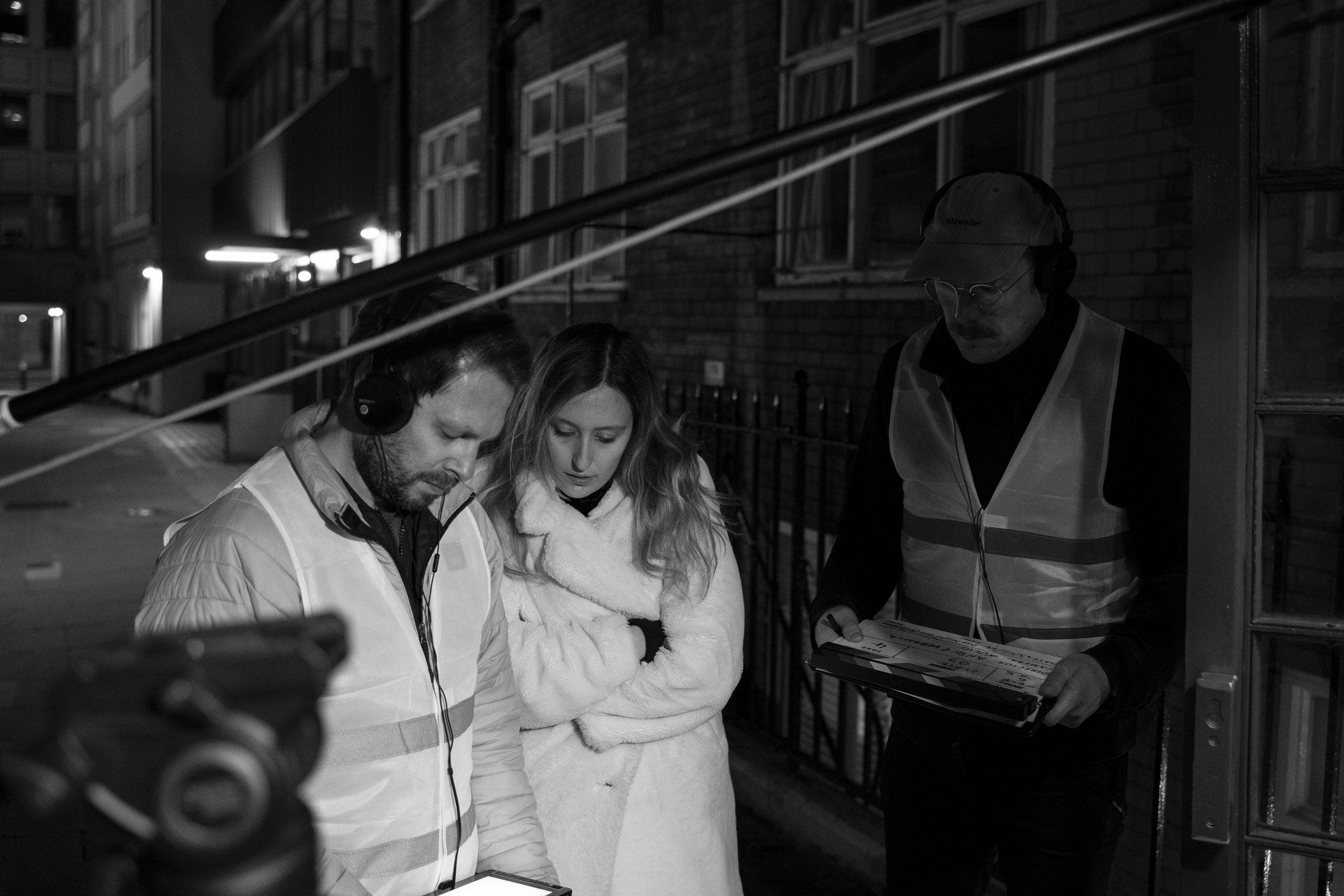
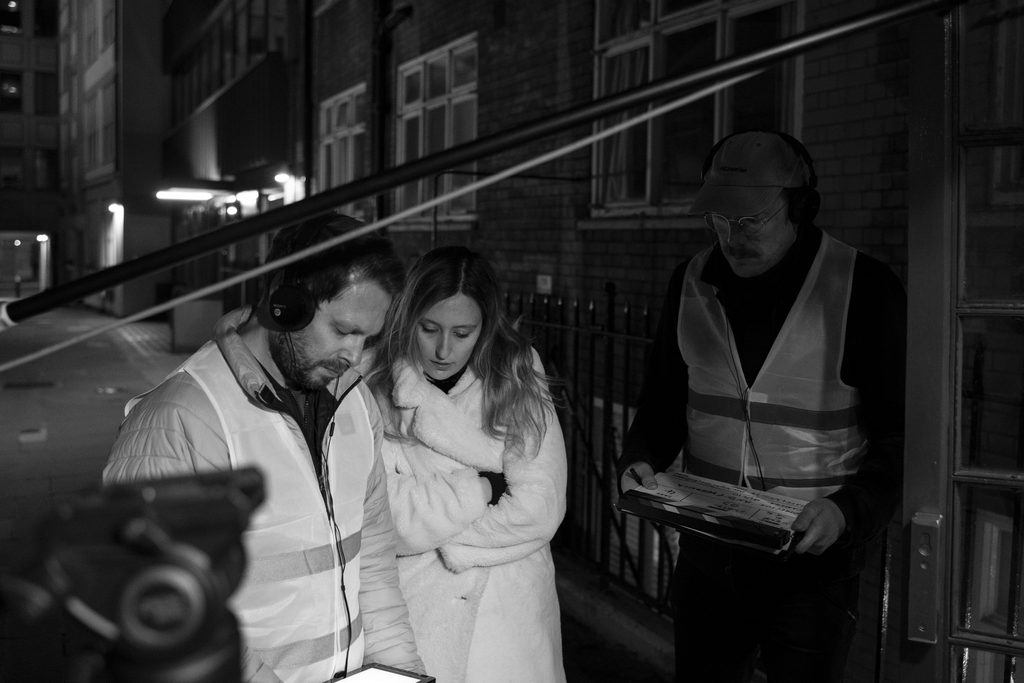
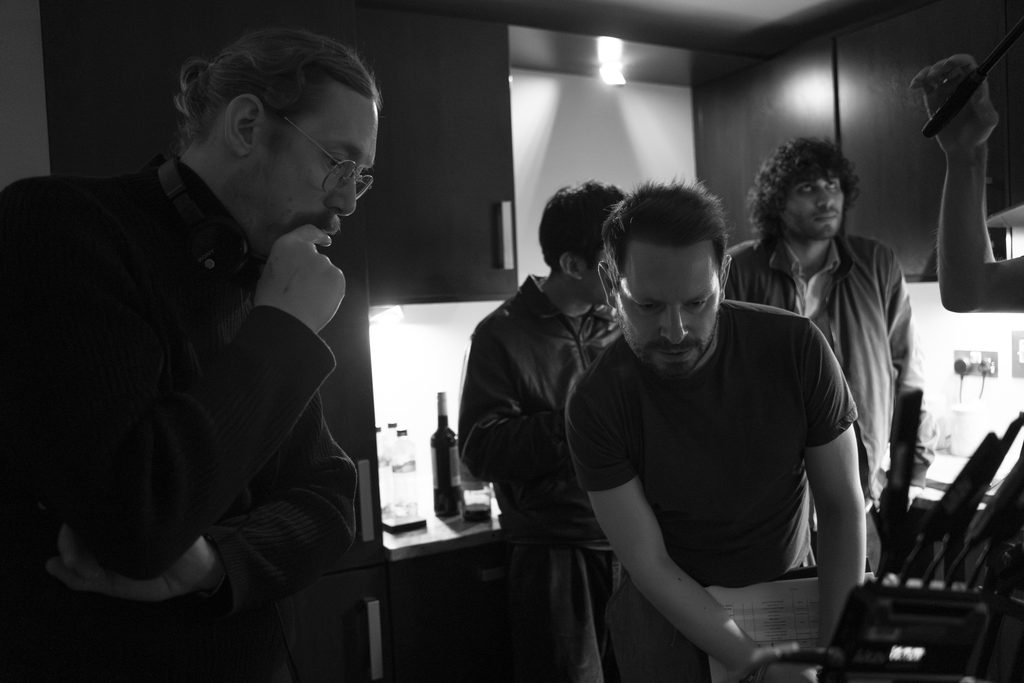
“SATORU” (EXCLUSIVE) Interview with Andrew Short & Veronica Orciari

-Who are Veronica Orciari and Andrew Short?


We are a filmmaking duo.


ANDREW: I’m Andrew Short, an independent writer and director from Liverpool. My first short film, Fragile Reflections, explored a troubled relationship through what begins as a simple, almost trivial argument and gradually descends into something much more profound and intense.


VERONICA: I’m Veronica Orciari, an Italian film critic and writer. I regularly write about cinema for publications including Cineuropa, The Animation Journal, Licensing Magazine, and Filmexplorer. I’m also an editor, contributor, and translator for the English edition of Cinecittà News, and I work as a programmer for the Torino Film Festival. My writing has also appeared in Modern Times Review, postPerspective, and Horror Movie Blog, and I’m currently a staff writer at Directors Notes. My work has given me the opportunity to approach cinema from many different perspectives — as a critic and a programmer — and that
experience has naturally shaped the way I think about and engage with films.

-Do you remember the exact moment you fell in love with cinema?


It’s always difficult to remember one precise moment, because in our case there was never a real “lightbulb” moment, a point when we suddenly thought, “This is it.” It was more of a slow falling in love, what one would call a slow burn. I think it started for both of us when we were around twelve. For me, in particular, I remember the summer between the first and second year of middle school: I spent so much time watching films in their original language and getting lost in behind-the-scenes footage, directors’ commentaries, and interviews with actors. What started simply as a way of getting to know the films I loved eventually taught
me English and, more generally, sparked a huge passion for languages. From there, almost without realizing it, I started building my own little “cinema room.” To this day, I have around 1000 DVDs and VHS in there. I know it’s probably a slightly old-fashioned tradition, especially for my generation, Gen Z, at a time when everything is available at the click of a button. For Andy, that was definitely true too. The AFI Top 100 list from 1998 was kind of his gateway into great cinema — a sort of seed list that gave him a place to start. He quickly found himself watching films like Taxi Driver, Apocalypse Now, and One Flew Over the
Cuckoo’s Nest, and from there, the rabbit hole just kept getting deeper.

-Tell us about your project “SATORU”.


The project was born out of a desire to tell a story rooted in an urban legend. We are fascinated by popular stories, folklore, and narratives that emerge from the people themselves and then develop, change and transform as they are passed from person to person. We started with a real Japanese urban legend, which we adapted and modified, while also drawing inspiration from J-horror more broadly. At the same time, we wanted to give it a slightly more British sensibility, using the classic red telephone box as the setting for the ritual. From there, we tried to find a story that could serve as the foundation for the fictional world in
which we would adapt the urban legend. We began thinking about an often-overlooked kind of horror: the horror of people disappearing. Every year, countless people go missing, particularly children, in many parts of the world. We wanted to tell the story of a mother who is willing to overcome any obstacle to discover what happened to her daughter. That became the starting point from which we developed the short. For us, the real horror of the story lies in the fact that this woman is desperate and willing to do anything to uncover the truth. There are, of course, elements of the horror genre throughout the film, but we see it as being closer to a drama than to pure horror. We sincerely hope the film finds an audience, because we believe it can appeal to people who enjoy different genres and, above all, that it can be appreciated as a deeply human story regardless of its genre context. Of course, we also wish that the film’s technical elements and the atmosphere we worked to create will resonate with audiences.

-Which Director inspires you the most?

There are so many directors who inspire us that it would be difficult to name them all in one answer. We definitely both have our own preferences and films that hold a special place in our hearts. For example, I particularly love Mike Nichols’ films. I think he was an incredibly talented director who was able to work across so many different genres, and The Graduate and Closer are two of my favorite films of all time. For Andrew, on the other hand, Sergio Leone’s films have been particularly important, especially Once Upon a Time in the West. Without a doubt, he really loves Italian cinema: he’s also a huge fan of films by Dario Argento and Mario Bava, and the same is true for me. For Saturo in particular, we drew on films that inspired us both aesthetically and in terms of the story. We’re talking about Don’t Look Now, The Vanishing, and Ring. These are films we’ve watched many times, and they
really influenced what eventually became the final structure and shape of Saturo. In general, we believe cinema is something you watch, talk about, and draw inspiration from. So, for us, it’s really important to have those points of reference and to pay tribute to the filmmakers and films that have inspired us over the years.

-What do you dislike about the world and what would you change?


It’s a very difficult question. There are so many things about the world that we don’t like. If I had to sum one of them up, it would probably be indifference — indifference toward others, and the tendency to, so to speak, turn away when it comes to having empathy. I think that is perhaps the worst thing of all. Unfortunately, social inequality, wars, and injustices in general have always existed, ever since human beings first appeared on Earth. Obviously, it would be right for them not to exist. The problem is that there seems to be a kind of human tendency toward cruelty, domination, and the pursuit of profit. And I believe that the way to prevent these things from happening is to eliminate indifference. But in order to eliminate indifference, we need to be aware. We need to learn, to inform ourselves, to understand. And cinema is fundamental in this sense, just like all the other arts. Cinema doesn’t simply entertain; it allows us to dig deeper into the problems of contemporary and past society, and even to anticipate those of the future. We’re working on a new short film titled Chalk Beach that fits very well into this discussion because it tells a story about immigration. What we wanted to do was shed light on a situation that exists and is extremely important in our
everyday lives and in the contemporary world. Immigration is an anthropological element that has been part of humanity forever, but it is constantly brought into political discourse and instrumentalized for political purposes. We want to bring it back to the fundamental question:
“What would I do if I found myself in the same situation?” We want to shed light on the journeys people undertake, the importance of human understanding in the search for a new sense of stability, and, ultimately, the possibility of moving beyond prejudice.

-How do you imagine cinema in 100 years?

Technology will certainly change, but the core of the story and the heart of storytelling will remain the same, in the sense that the key elements of any story have always been the same for centuries. Just think of the success Christopher Nolan has had with his version of The Odyssey: bringing back to life a type of story that worked thousands of years ago and continues to work today, despite the fact that the technology has changed. Once, stories were told orally, and today, they’re told on an IMAX, but their power remains the same. So, we’re curious to see how the world of cinema will evolve, obviously with the necessary caution
when it comes to the use of new types of artificial intelligence or innovative production systems. But there’s no doubt that cinema, being such a young art form, is inevitably subject to an evolution that is much faster than that of traditional arts—and that’s part of its beauty. At the same time, we can see that, much like what happened with vinyl in music, there’s been a return to shooting on film rather than digitally for many filmmakers. So, despite all the innovations, there can also a return to the past when it comes to certain aesthetic styles.

-What is your impression of WILD FILMMAKER?


Our impression of Wild Filmmaker is that it is a community, and “community” is one of the key words when we talk about cinema. Of all the arts, cinema is perhaps one of those that requires the greatest sense of unity, a shared vision, a collaborative effort, and a group of people working in unison. In many other art forms, it’s possible to grow and develop on your own, individually. In cinema, however, there is always a strong emphasis on the collaborators you have the opportunity to work with, because, as we all know, the joint effort of many different people is necessary to make a good film. Just think about the length of the credits at the end of most films you see in theaters. That said, “community” isn’t the only keyword. There is also discovery and research, meaning that we shouldn’t limit ourselves to mainstream cinema, but remember that mainstream cinema itself was once experimental cinema. The names we see today on cinema marquees were once unknown names, and they were discovered along the way. So the purpose of a community like this is precisely to give independent filmmakers a platform. Finally, we would like to thank Wild Filmmaker for giving us the opportunity to do this interview, and we congratulate the organization on its work.