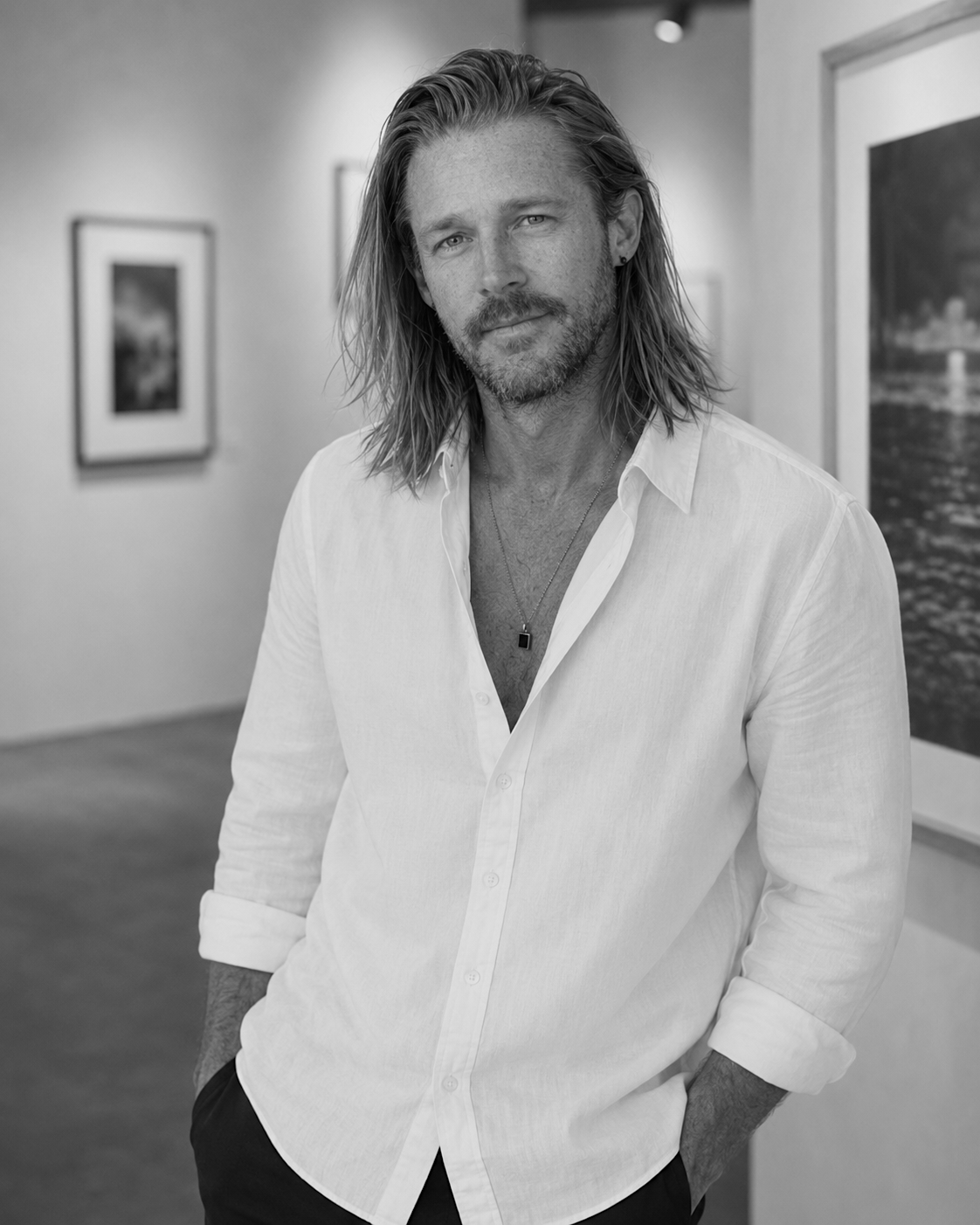
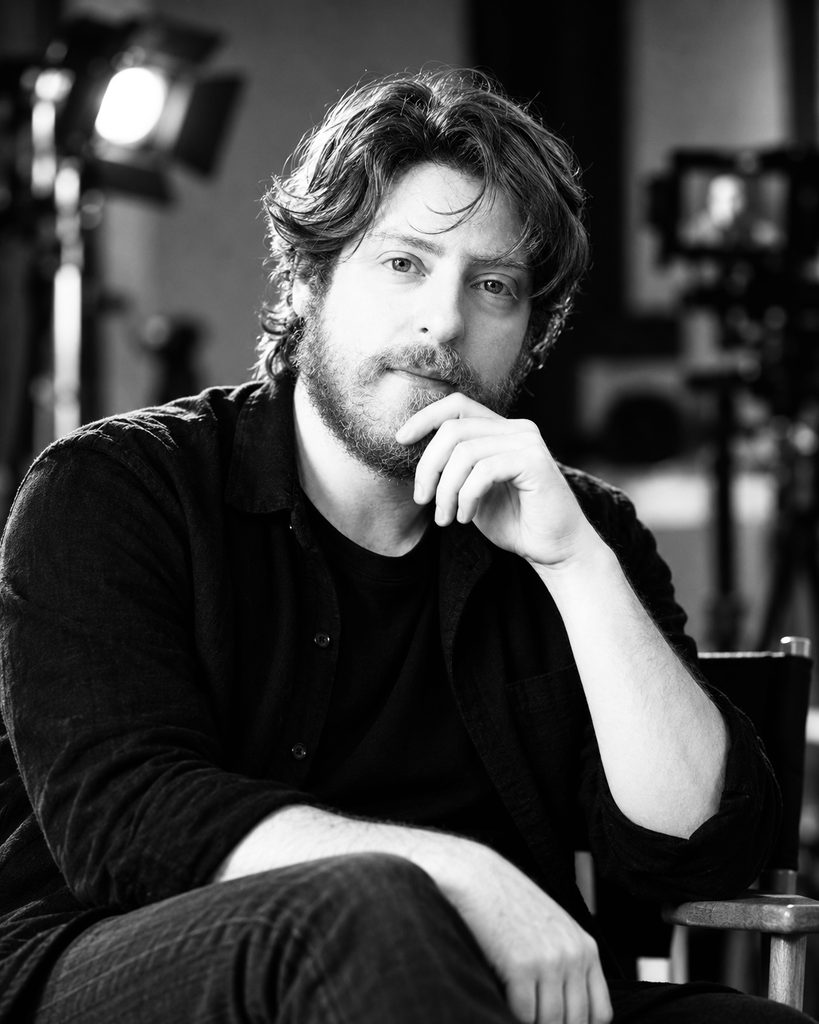
I’m an Australian photographer and filmmaker, born and raised in Sydney. I was always drawn to the camera, especially through sport. I grew up around some highly talented individuals and loved photographing them. When my own sporting ability reached its limits, the camera gave me a reason to keep joining them. It also gave me a sense of purpose.
Over the past 25 years, that purpose has developed through photography, filmmaking and now writing.
My life experiences have helped me grow as an artist. It took poor health and a period of personal upheaval for me to fully accept how much this work meant to me and commit to pursuing it. I have never felt more myself. Photography, film and writing now feed into one another, each helping me develop how I see and tell stories.
Do you remember the exact moment you fell in love with cinema?
One moment that stands out is seeing Christopher Nolan’s Batman Begins at the cinema in 2005. Like many people of my generation, I had grown up with Batman. But this film made me connect with the person behind the character in a way I hadn’t before.
I was moved by the psychological depth of Bruce Wayne’s story: a traumatised child carrying guilt and grief into adulthood, trying to find purpose in what had happened to him. Nolan’s humanisation of a familiar character made me feel compassion and left room for my own interpretation.
Alongside Wally Pfister’s beautiful cinematography, that experience made me curious about how a film could create such a powerful emotional response. I began exploring Nolan’s work and the filmmaking process. It changed the way I watched cinema.
Tell us about your project “Painting Ivy – Truth”.
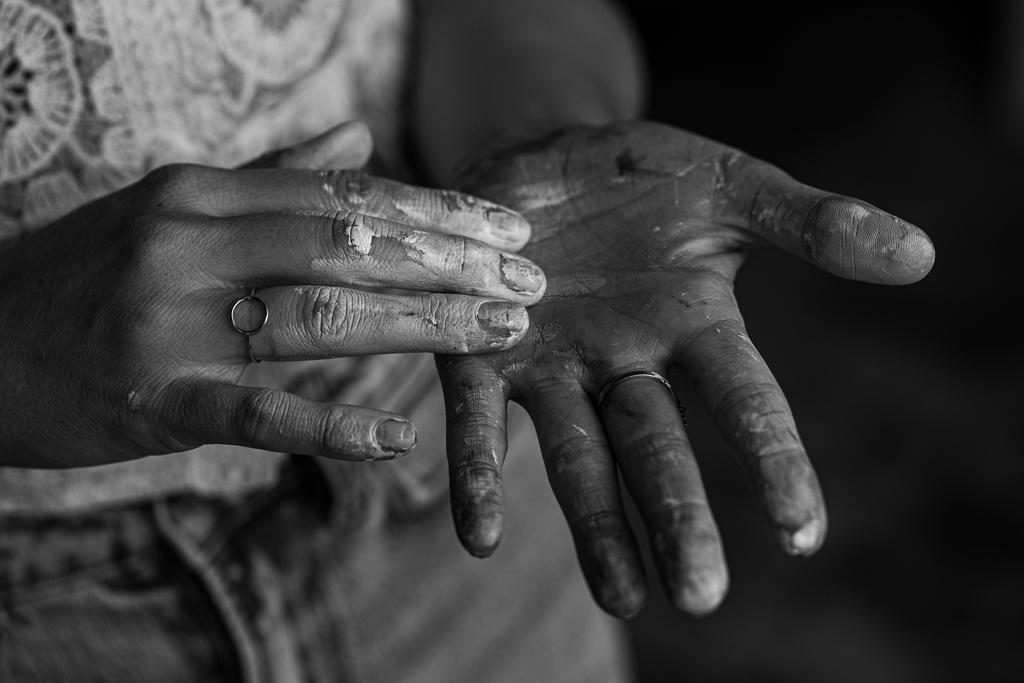
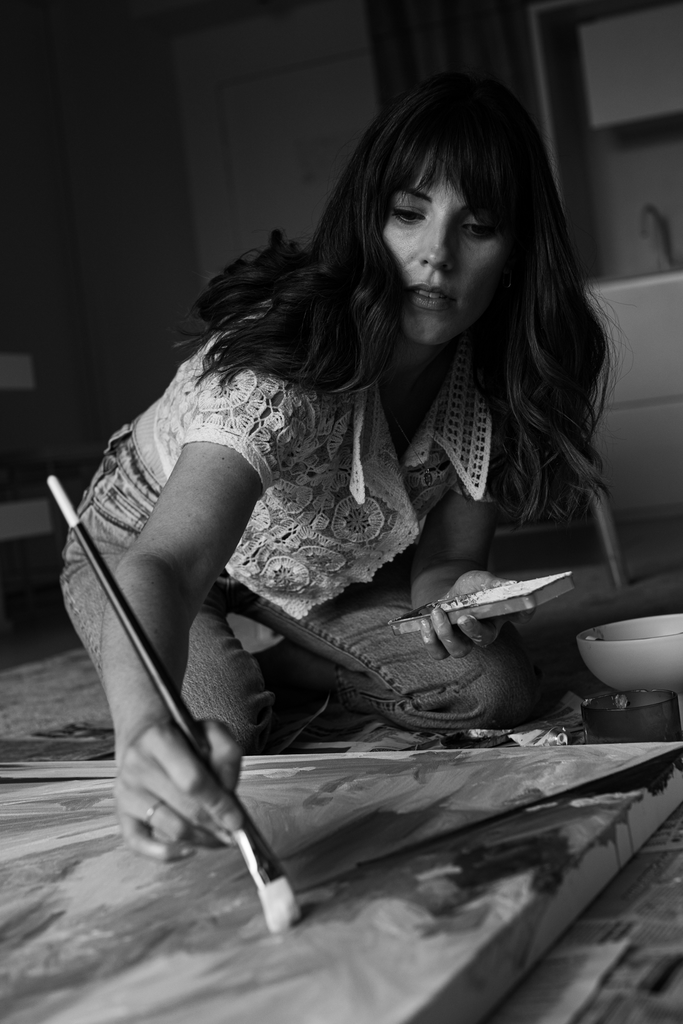
I was sitting in my usual spot near my home in Bondi Beach, where I often write in my journal and develop ideas, when I noticed a woman standing on the platform above me. Something about her made me think she needed a hug. I stayed where I was and continued writing.
A little later, she approached me and asked about my writing. We spoke briefly about her painting and her first visit to Australia. I felt there was more she wanted to share, so I suggested meeting for coffee to talk about her work.
We met a few days later. Hearing her story brought me back to that first instinct: that I had noticed someone who was carrying something difficult.
Before she left Sydney, we arranged to film one evening at sunset. I wanted to explore the person and experiences behind her paintings. What she shared during that session became the foundation of Painting Ivy – Truth.
The film was originally shot and edited as a teaser to help seek funding for a longer project. But the two-minute, nine-second piece had an emotional impact of its own, and I came to recognise it as a complete film.
It is now on the festival circuit and has received multiple international awards, which I’m grateful for. More personally, it has deepened my connection to my work.
The experience taught me to trust my creative instincts, give even a small project my full commitment, and keep working until I feel the piece is ready.
Which director inspires you the most?
My greatest creative influence comes from photography: the late Peter Lindbergh.
His approach to light, mood and human connection has deeply influenced how I photograph and film people. I’m drawn to the way his images allow someone’s presence and individuality to carry the frame.
Discovering his work brought me to tears. I had a sense of what I wanted to create visually, but I hadn’t fully understood where that instinct came from or how to articulate it. His work helped me recognise and understand my own creative direction.
Christopher Nolan was instrumental in awakening my curiosity about cinema, but Lindbergh has had the greatest influence on how I approach the person in front of my camera. I feel an affinity with the sensitivity and humanity I recognise in his work. Those are qualities I aspire to bring to my own.
What do you dislike about the world, and what would you change?
Social injustice. I value the differences between people: our abilities, ambitions, perspectives and the lives we choose to pursue. But I believe everyone should have access to the essentials of life, alongside respect, dignity and safety.
If I could change something, I would make that foundation available to everyone. People should have the freedom to strive for more without having to struggle for their most basic needs.
How do you imagine cinema in 100 years?
I imagine technology will transform how films are made in ways we can barely anticipate. Many of the processes we spend time on today may become automated.
But I believe there will always be a need for authentic stories. The desire to understand ourselves and connect with other people will remain, whatever tools we use.
The filmmakers who move audiences will still need sensitivity, perspective and something meaningful to say. I hope technological progress gives us more freedom to explore that human element.
What is your impression of WILD FILMMAKER?
I’m still getting to know WILD FILMMAKER, and I appreciate its interest in independent filmmakers like myself.
There is a story behind the work of every creative person. Having the opportunity to share some of that process, alongside the finished film, is valuable. It helps audiences understand the person behind the images and gives artists another way to connect with people.
I’m grateful for the invitation to share my own experience and introduce Painting Ivy – Truth to your readers.
For the first time, WILD FILMMAKER was also present in the city where it all began: Rome.
Rome marked the starting point of a long journey that has led WILD FILMMAKER to build a major international network dedicated to independent cinema and the people who bring it to life.
For this reason, taking part in the 21st edition of the Rome Film Fest, amid premieres, meetings, and new international connections, held a very special meaning for us: a return to our roots and an opportunity to introduce our community to a wider audience, while already looking ahead to the next stages of our journey.
And from Rome comes a particularly important announcement: the 10th edition of the Hollywood on Tiber Film Awards, a long-established event dedicated to celebrating independent cinema and, above all, promoting international co-productions.
The Hollywood on Tiber Film Awards existed even before WILD FILMMAKER was founded.
Carrying its legacy forward today means continuing a story that began with the goal of creating visibility, meaningful connections, and concrete opportunities for filmmakers and productions from around the world.
For this extraordinary event, we have selected a number of filmmakers from among the more than 100,000 artists who are now part of the WILD FILMMAKER Community, giving them international exposure through the press release dedicated to our presence at the Rome Film Fest.
These selected filmmakers will also have the opportunity to take part in the 10th edition of the Hollywood on Tiber Film Awards!
Here are the filmmakers selected for the press release that we are currently distributing to the leading media outlets attending the Festival:
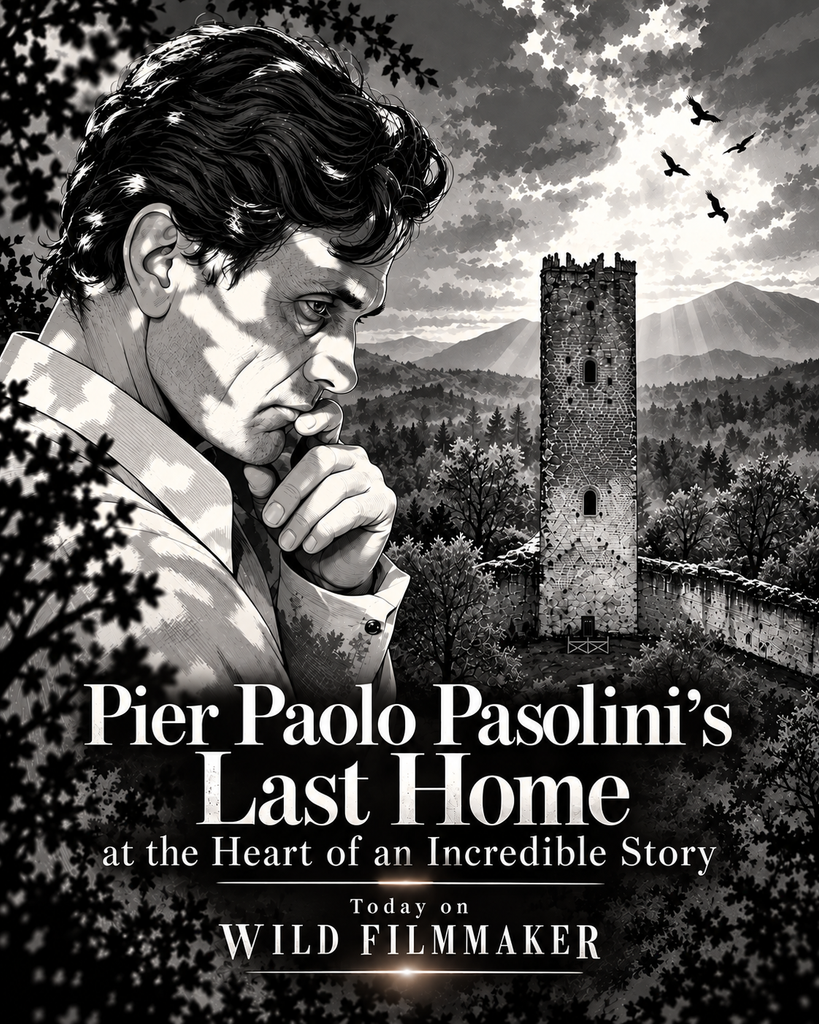
I am an actor, but today, much to my regret, I owe my public profile to the Torre di Pasolini case. And indeed, over the past few months, all my energy has been devoted to this cause.
-Could you tell us about the recent events surrounding Pier Paolo Pasolini’s last home?
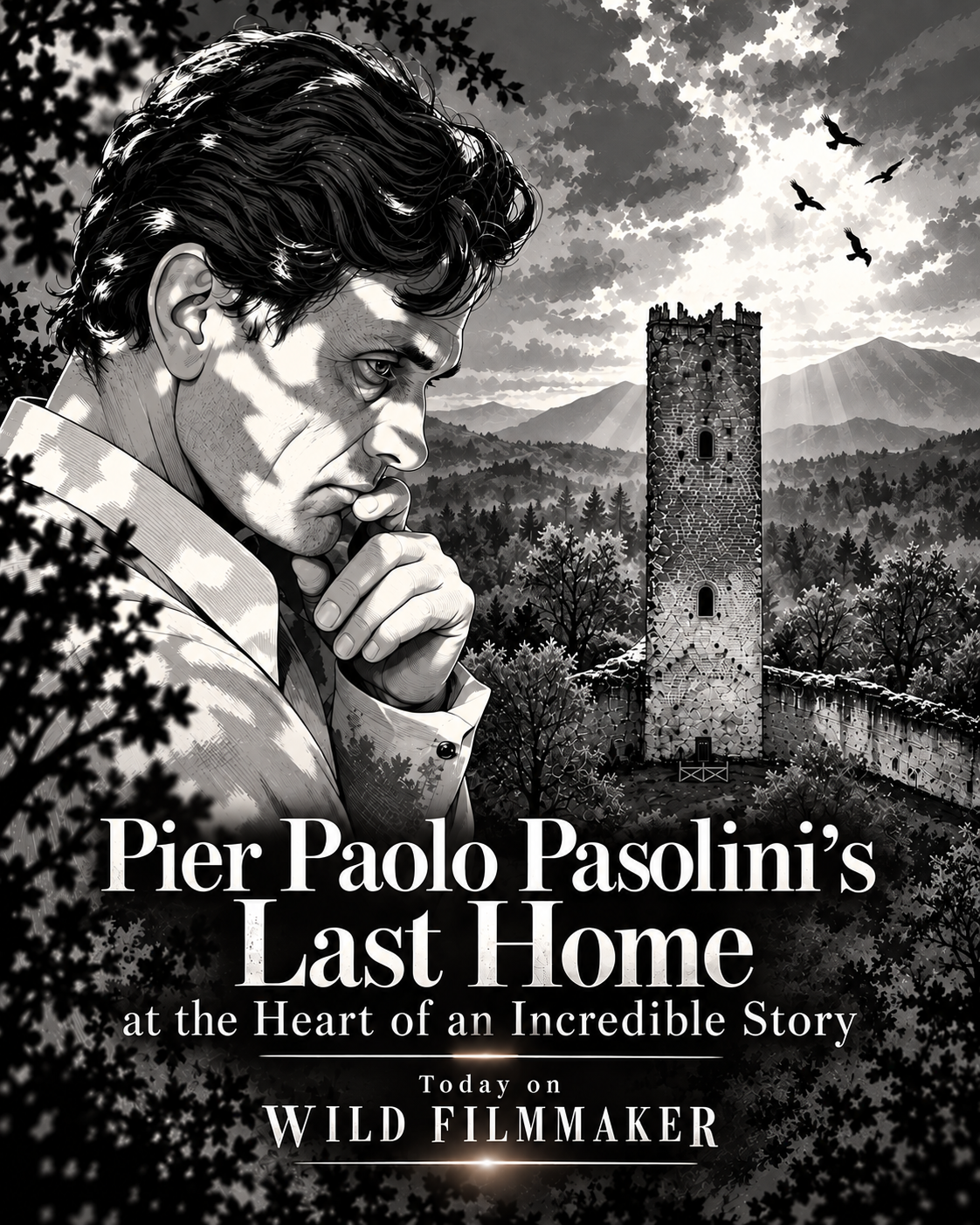
Pasolini’s tower, the Poet’s last home and study, where Petrolio and many of his Lutheran Letters were written, protected by the Ministry of Cultural Heritage and ultimately relinquished by the State, is being saved by a private individual who lawfully purchased it, restored it over four years under the supervision of the Superintendency, and opened it to the public. A private agricultural body that manages the surrounding public-domain land is, after 200 years, claiming a civic-use right, suing the new owner on the grounds that Pasolini himself was an illegal occupant of his own home, and seeking expropriation of the property without compensation. Meanwhile, however, it uses the Poet’s name and image, as well as that of the Tower, as the area’s main tourist attraction. While the judicial proceedings are still ongoing, the Lazio Region has already initiated the expropriation—or rather, the “reintegratio”.
-What kind of cultural and artistic initiatives did you organize in the house that once belonged to Pier Paolo Pasolini?
I signed an agreement with the Municipality of Soriano nel Cimino to reopen the complex to the public under the same arrangements previously established by the heirs. I welcomed the expression of interest shown by the Ministry’s Institute for Monumental Villas of Tuscia and stepped up our free cultural activities. Special openings in collaboration with the Italian Historic Houses Association, the Historic Houses Network of the Lazio Region, the Superintendency, the Order of Architects and schools. Readings, concerts, film screenings, and anything else that made sense to organise here.
-We sincerely hope that this difficult chapter will soon be behind you and will end in the way you hope. When that happens, what initiatives would you like to organize again in your home?
To be honest, what I am going through right now is so intense and painful that I find it very difficult to maintain a clear vision of the future. But I remember perfectly well why I decided to buy this house. Nobody wanted it. It was falling into ruin, and I felt it deserved to be saved, that it deserved a custodian. I decided to buy it so that I could take care of it, and to do so, I sold my home in Rome. It was not an investment, nor a speculative venture. It was an act of rescue. So this is what I would do if this surreal ordeal were to end well: I would continue to care for the house and keep it open to the public.
-What do you dislike most about the world we live in today, and what would you change if you had the opportunity?
The abuse of power. It leaves me with a profound sense of injustice that I find difficult to come to terms with. It is a sad coincidence that Pasolini wrote Petrolio here, the novel that explores the dynamics of power and corruption, in which oil becomes a metaphor for everything that corrupts and destroys, for the civilization of consumerism and the commodification of life. More than 50 years after his murder, there is still violence, still “oil” poured over the memory of a Poet declared an illegal occupant in his own home. Once again, this place—a witness to a history that began with the Etruscans and, passing through the Middle Ages, reaches the culture of the 20th century—needs to be saved. I will use every legal avenue and every means available to me under the law to pursue any personal liability on the part of all those involved. I have launched a petition on Change.org, calling for the expropriation to be suspended pending a final court ruling and for me to be compensated for the expenses I incurred in good faith should the final ruling go against me. 27,000 signatures in just a few days. It is important that people know what can happen to you in Italy in 2026.
-At WILD FILMMAKER, we have been supporting independent artists from all over the world for the past seven years, and we see our work not only as a cultural mission, but also as a social one. Do you think it is important for independent artists, filmmakers, writers, and cultural figures to build a strong international community capable of supporting one another, defending cultural freedom, and giving greater strength to independent voices?
Absolutely. I believe that building a strong international network of mutual support is essential. Independent artists and cultural figures can often find themselves isolated when facing challenges, and creating a community that stands together can make a real difference. Culture should be a space for freedom, dialogue, and solidarity, and none of us should have to face these challenges alone. Mutual support is not just important; it is fundamental. Throughout these four years of legal battles, the words of the visitors we have welcomed here during our regular opening days, their recommendations and their words of encouragement have been a great source of comfort. They made me feel less alone at a time when public institutions had completely abandoned me.
I am a Japanese independent filmmaker, author, and artist born in Kyoto. I am drawn to the boundary between what we see and what we imagine. In my films, images, sounds, and gestures carry meanings that cannot always be expressed through conventional narrative.
-Do you remember the exact moment you fell in love with cinema?
My first encounter with cinema was as a child, sitting on a grassy embankment after dark, watching a travelling cinema project a film onto the white exterior wall of a sake brewery. I do not remember what was showing, but I still remember the sounds, the voices, and the light on the wall in the darkness.
Another decisive encounter came when I was twenty, at an art film theatre in Shinjuku, Tokyo, where I saw Kenneth Anger’s short films. I was especially captivated by “Rabbit’s Moon.”
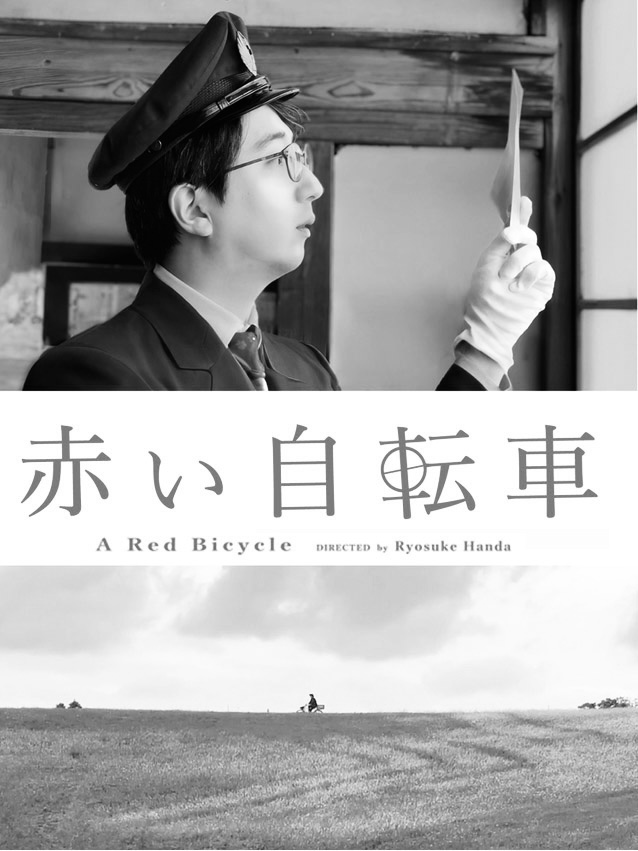
-Tell us about your project “A Red Bicycle”.
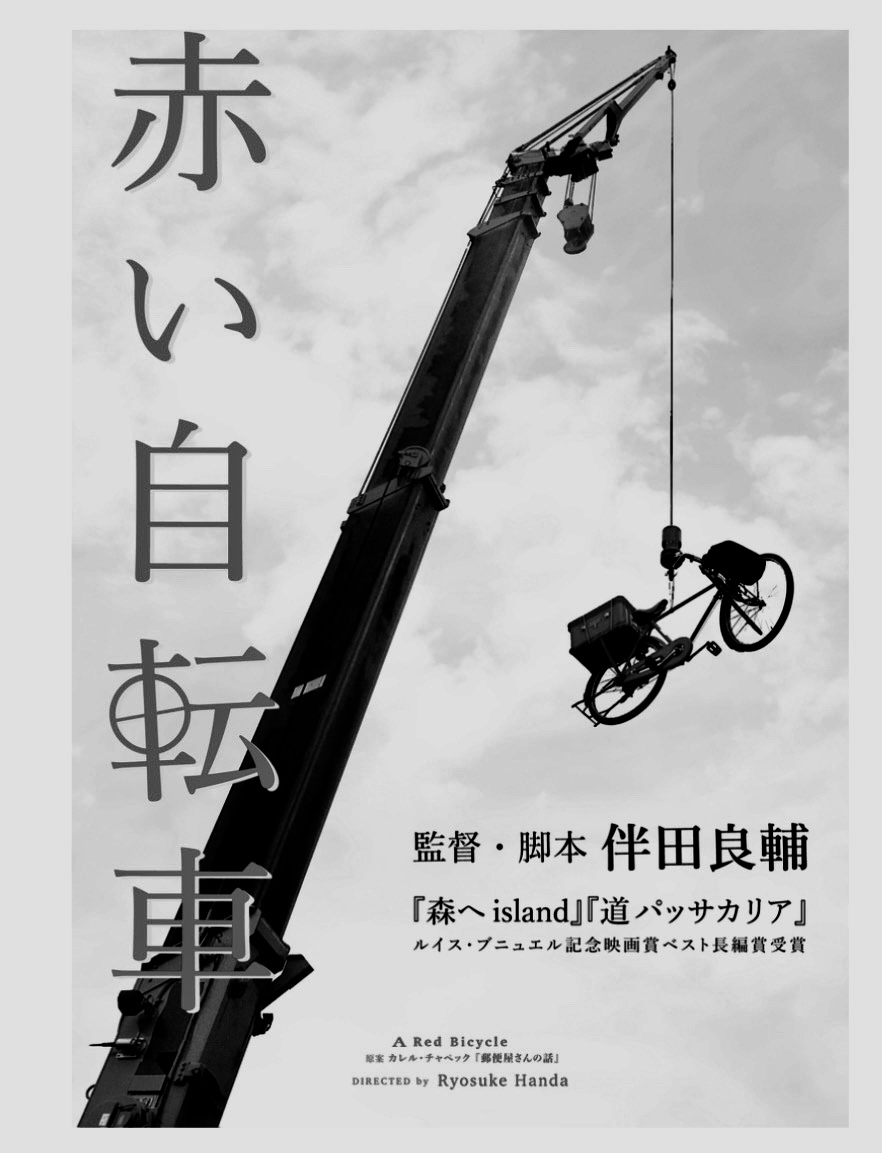
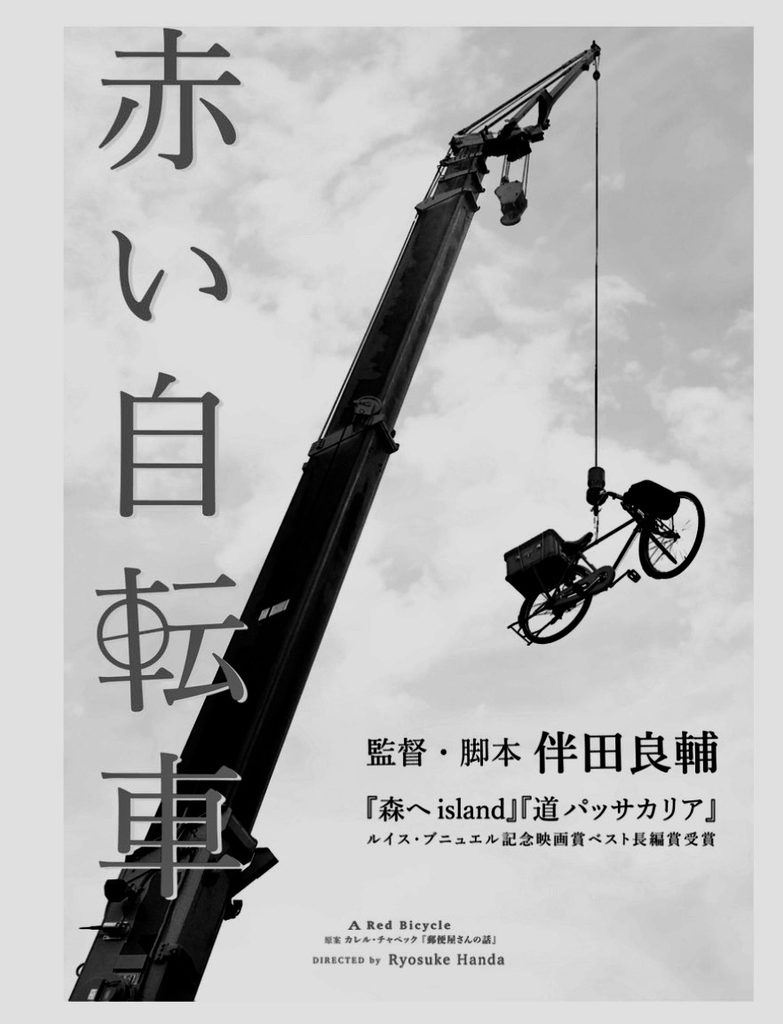
“A Red Bicycle” is my third feature film, set in rural Japan in the 1970s. At its centre is Chotaro, whose father died in the Second World War while his mother was pregnant with him. Separated from his mother, who left home when he was still a child, Chotaro finds joy in his beloved work as a postman. Yet, as time passes, the scars left by war slowly emerge in his everyday life, drawing him into another world.
The rural landscape is essential to the film. I wanted to create a world in which everyday life and unexpected encounters could open a passage into another,strange space.
-Which director inspires you the most?
Andrei Tarkovsky and Sergei Parajanov are especially important to me. Tarkovsky’s treatment of time, memory, and landscape has deeply affected the way I think about cinema. Parajanov, particularly in “The Color of Pomegranates,” reveals how objects, colours, bodies, and gestures can become a language of their own.
Their films encourage me to trust the expressive power of images and to pursue my own cinematic language.
-What do you dislike about the world, and what would you change?
I am troubled by the forces that restrict human freedom and deny people the possibility of happiness. I believe in everyone’s freedom to express what they imagine, feel, and think. My works contain forms of protest, sometimes directly and sometimes indirectly. Even fantasy can carry a protest: imagining another way of living is itself a response to the world as it is.
I would like a world in which people have more room to live, create, and care for one another.
-How do you imagine cinema in 100 years?
What interests me most is how our perception might change. Will people experience time differently?
I imagine that cinema will continue to discover new forms of human expression. Whatever its technology becomes, I hope it will preserve the freedom to encounter something we cannot immediately explain.
-What is your impression of WILD FILMMAKER?
Through close and deeply engaged communication, WILD FILMMAKER discovers talent among independent filmmakers around the world. I sense an understanding of cinema’s true history standing firm against commercial pressures.
“A Red Bicycle” has just been completed, and no screenings outside Japan are currently planned.
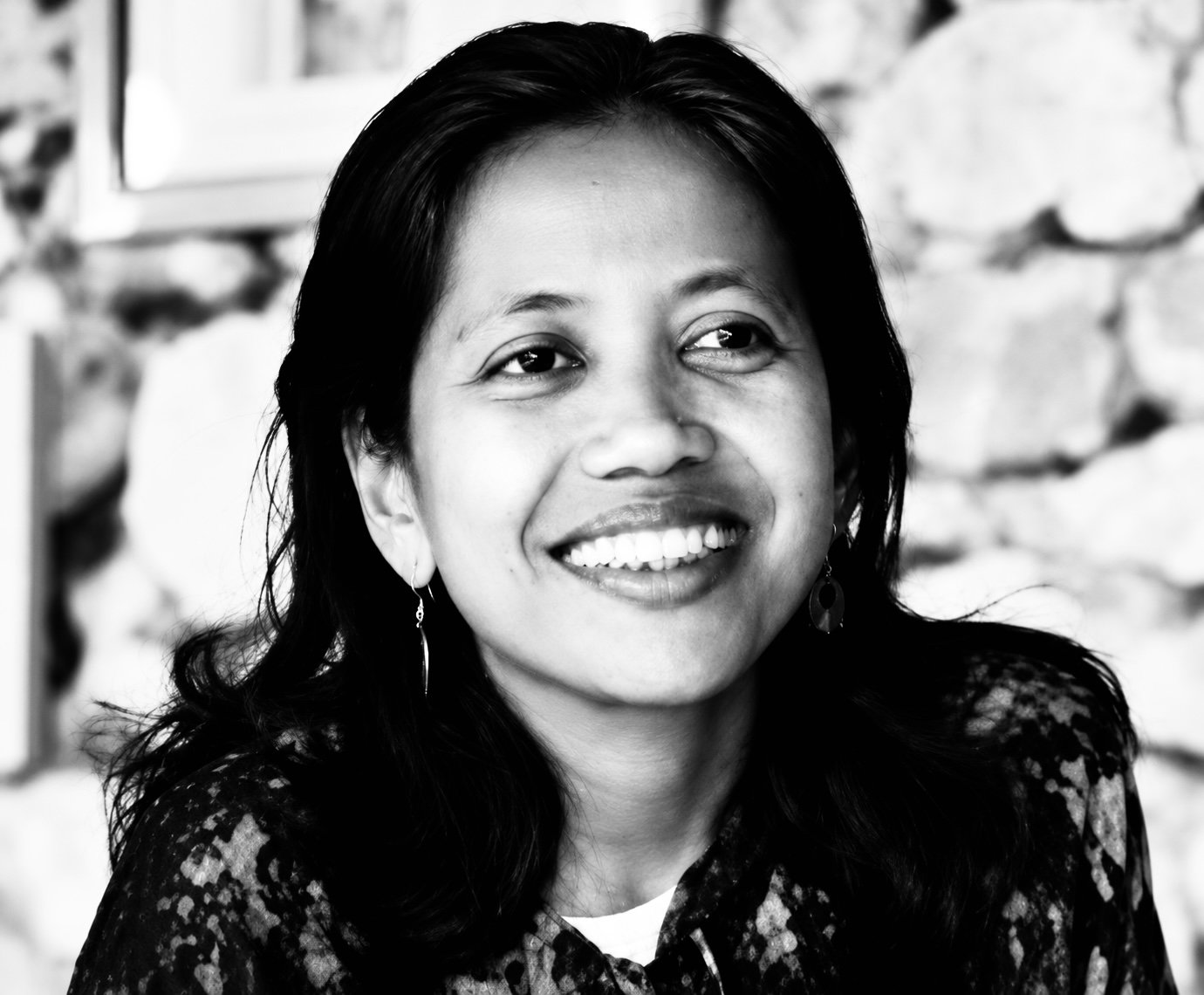
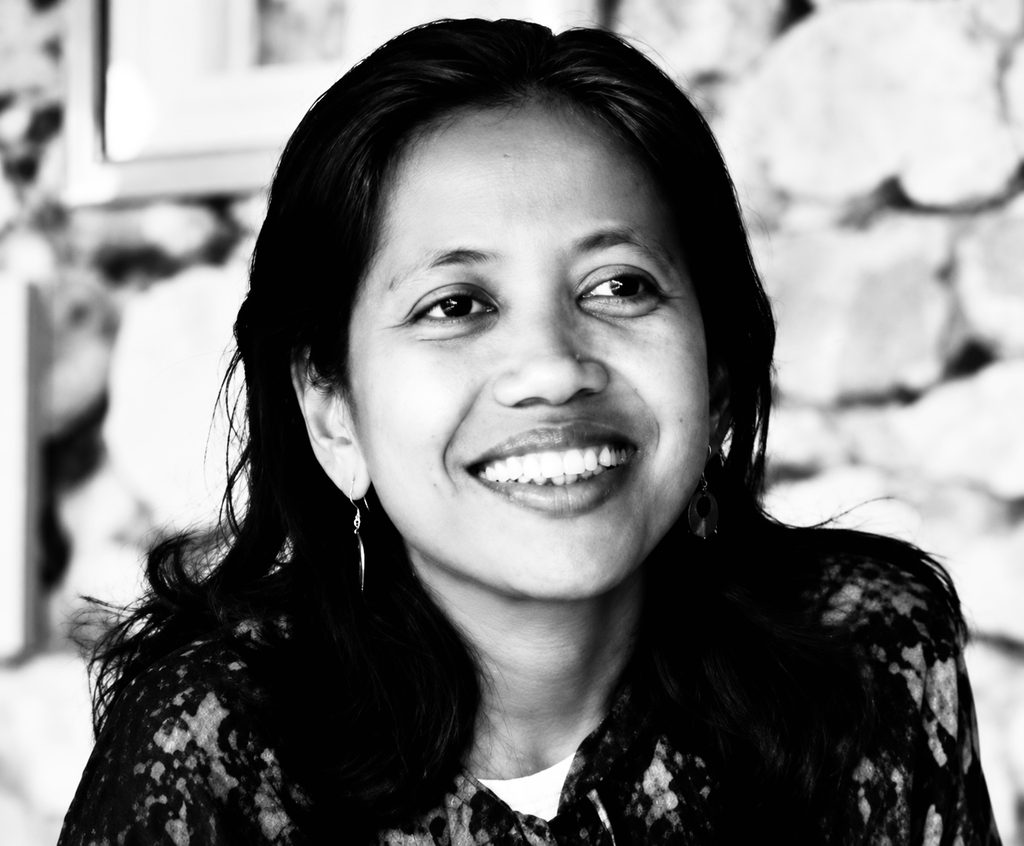
I am Ira setiawati, an environmentalist, founder & director of NGO Jiwa Laut (environmental & social activities). I was born in Papua, Indonesia 1 January 1973. My background is Food Processing Technology. My hobby is watching cinema, reading, swimming, travelling & going to nature. I started film making in 2024 with friends & the local community, while making a short documentary about plastic trashes and effect of mass tourism. It is how I discovered my new passion for film making & the power of audiovisual storytelling to bring wider attention to local realities, environmental challenges and community-led solutions. I can express myself through movies.
First time I encounter cinema as I was around 5 years old, when my parents had a 16mm film projector & I watch movies, feeling exiting as if I’m involved in the movies. Sometimes, my parents brought me to big screen cinema & I felt so happy.
I like Wild Filmmaker because supporting independent film who can express their ideas & dreams. Hope Wild Filmmaker can bring big positive impact for a better world. I will and always join Wild Filmmaker to support better film industry in positive way.
My favorite director is Christoper Nolan who has big imagination based on science fiction. Many his movies can explain life based on quantum physic science; these make me understand more about real, dream & illusion of life. I like him also the way he’s making his films; he can bring audience to the past/future based on quantum field science, so it is more realistic to understand it. It makes me easier to understand about making movies.
I feel now more people are disconnected with nature & make them lost in life, so become easy stress & not feel gratitude of life. Nature has power to heal & we are part of nature originally. Many sciences have proved that nature transfer bioelectric to human when we are in nature. I want to help change the world by making movie that show nature & how it is important for human being to be in nature & connected with it. Life is beautiful always like this.
I imagine cinema in 100 years as media for education people to connect to real life & feel more blessing of this beautiful life and still connected with human emotions (made by humans not machines).
Project Sweet Moluccas brought nature connection & indigenous people and knowledge to audience & inspire people to go travelling to nature with awareness; enjoy & united with it.
BEST GLOBAL DOCUMENTARY FEATURE 2026, BEST STORYTELLER, BEST DIRECTOR, BEST PRODUCER & BEST SOUND DESIGNER (Category: Indie Documentary Feature)
Vertigo Mix Art Clic Drippin
By Sylvie Kay
BEST VISIONARY DANCE MOVIE OF THE YEAR, BEST GLOBAL CHOREOGRAPHER OF THE YEAR, BEST DIRECTOR 2026 (Category: Dance Movie) & BEST ORIGINAL CINEMATOGRAPHER
Pretty Little Lucy
By David Williamson
BEST GLOBAL THRILLER SCRIPT 2026, BEST ORIGINAL SCREENWRITER OF THE YEAR, BEST INTERNATIONAL SCREENPLAY (Category: Crime), BEST NOIR SCRIPT & BEST UNIVERSAL FEATURE SCRIPT 2026
Bad Influence/ Mauvaise Influence
By Aurélie Latona
BEST GLOBAL INDIE DIRECTOR OF THE YEAR, BEST EUROPEAN STORYTELLER, BEST CINEMATOGRAPHY (Category: Super Short Film) & BEST ORIGINAL EDITING
French Broad
By Reid Barwick
BEST SCREENWRITER 2026 (Category: Arthouse Feature Script), BEST BEST PSYCHOLOGICAL DESCRIPTION OF THE CHARACTERS & BEST ORIGINAL SCREENPLAY
Thinking
By Valerie Knill
BEST GLOBAL SUPER SHORT FILM 2026, BEST FILMMAKER, BEST STORYTELLER & BEST CINEMATIC VISION (Category: International Super Short Film)
Plandemic: Tribunal
By Chris Ross Leong
BEST NEW WRITING STYLE, BEST ORIGINAL STORY, BEST ARTHOUSE FEATURE SCRIPT 2026 & BEST ORIGINAL THEME (Category: International Screenwriter)
Out of Control
By Bellopropello
BEST GLOBAL DIRECTOR (Category: Video Poetry), BEST VISIONARY STORYTELLER, BEST ARTHOUSE INDIE PRODUCER & BEST EXPERIMENTAL CINEMATOGRAPHER
The Revenge Club
By Marla Eaton
BEST GLOBAL SHORT SCRIPT 2026, BEST INTERNATIONAL SCREENWRITER 2026 (Category: Short Script) & BEST ORIGINAL STORYTELLER
The Novice
By Vincenzo Amoruso
BEST ORIGINAL ACTING & BEST NEW WAVE ACTOR 2026
American Money
By Timothy A McGhee
BEST GLOBAL VISIONARY WRITER, BEST ORIGINAL CINEMATIC VISION (Category: Feature Script) & BEST INTERNATIONAL INDIE SCREENWRITER OF THE YEAR
Not Without Gloves
By Lena Mattsson
BEST UNIVERSAL EXPERIMENTAL SHORT FILM 2026, BEST EUROPEAN PRODUCER & BEST POETIC EDITING
The Beauty in a Restless Mind
By Lena Mattsson
BEST EXPERIMENTAL DIRECTOR 2026, BEST ARTHOUSE EDITING & BEST VIDEO POETRY 2026
The Rorschach Test
By Lena Mattsson
BEST INSPIRATIONAL SHORT FILM & BEST ACTRESS 2026
The Aesthetics of Failure
By Lena Mattsson
BEST VISIONARY FILMMAKER 2026, BEST SPIRITUAL SHORT FILM & BEST SOUND
Colombano & La 21esima Fetta
By Paolo Pier Luigi Guglielmetti
BEST INTERNATIONAL INDIE DIRECTOR, BEST HISTORICAL FILM, BEST ORIGINAL IDEA & BEST CINEMATIC VISION
The Duchess
By C. Arnold Curry
BEST ARTHOUSE DRAMA 2026, BEST INTERNATIONAL DIRECTOR 2026 (Category: Drama), BEST EDITING, BEST ACTING (Category: International Drama)
Staycation
By Russell Emanuel
BEST GLOBAL MOVIE 2026, BEST DIRECTOR (Category: NARRATIVE FEATURE), BEST SCREENWRITER, BEST SCREENPLAY, BEST SOUND DESIGNER, BEST ORIGINAL STORYTELLER, BEST PRODUCTION COMPANY, BEST CINEMATOGRAPHY & BEST ORIGINAL EDITING
The Pathos of Hamlet
By Sean Gregory Tansey
BEST EXPERIMENTAL ACTING, BEST INDIE ART FILM & BEST GLOBAL SPIRITUAL SHORT FILM 2026
The Stones of Rome
By Sean Gregory Tansey
BEST ORIGINAL INDIE ACTOR & BEST HISTORICAL SHORT FILM 2026
My heads f*cked
By Fabia Cerra
BEST ORIGINAL MOBILE FILM 2026, BEST ORIGINAL FILMMAKER & BEST NEW CINEMATIC VISION
Hot Afternoons Have Been in Montana
By Ken Kimmelman
BEST ORIGINAL VIDEO POETRY 2026, BEST CINEMATOGRAPHER, BEST EXPERIMENTAL FILM DIRECTOR 2026 & BEST SOUND
Alta California
By Lynn Elliott
BEST HISTORICAL FEATURE SCRIPT 2026 & BEST GLOBAL SCREENWRITER
The Mongrel
By Lynn Elliott
BEST INTERNATIONAL TELEVISION SCRIPT 2026
Pirandello’s Wife
By Lynn Elliott
BEST DRAMA 2026, BEST BIOGRAPHICAL SCRIPT 2026 & BEST INDIE WRITER
Hope is Not a Black and White Rainbow
By Harold Brown
BEST INTERNATIONAL FEATURE SCRIPT 2026, BEST NEW WRITING STYLE & BEST ARTHOUSE ORIGINAL SCREENWRITER
The New Immigrant- Hong Kongers
By Vivian Tsang
BEST INTERNATIONAL FIRST TIME DIRECTOR 2026, BEST ORIGINAL YOUNG FILMMAKER 2026, BEST STORYTELLER (Category: Documentary) & BEST CAMERA OPERATOR
Creators – 2
By Shamil Aliyev
BEST INDIE DOCUMENTARY FEATURE 2026 & BEST INTERNATIONAL EDITING (Category: Documentary)
There is a paradox that runs throughout the entire history of cinema: the industry has often found in independent filmmaking the ideas it was no longer able to generate on its own.
From David Lynch to Martin Scorsese, from Jean-Luc Godard to Pier Paolo Pasolini, many filmmakers developed their own cinematic language far from major production structures, boardrooms, and the logic of industrial programming.
Across different eras and contexts, they embodied what lies at the heart of WILD FILMMAKER’s philosophy: above all, to create freely.Then the industry came along.
It watched, absorbed, and transformed into mainstream language what independent filmmakers had dared to experiment with. It is not difficult to understand why.
Independence allows artists to take risks.
The industry, by its very nature, tends to minimize risk.
And it is precisely through risk that something new is often born.
Today, however, independent cinema faces a different problem. Too many filmmakers seem obsessed with the idea of appealing to the industry. And this is where another paradox emerges: the more an independent filmmaker tries to resemble industrial cinema, the less interesting they become to the industry itself.
Why should we be interested in a copy of something that already exists?
For seven years, WILD FILMMAKER has stood for exactly the opposite: the complete creative freedom of filmmakers.
Whether in a short film, a feature film, a music video, or a screenplay, what we look forabove all is a voice capable of expressing a new point of view.
An independent identity.
Something we have not seen before.
After all, the global film industry today has an obvious problem with originality. Remakes, reboots, sequels, and endlessly recycled formulas reveal a system that toooften ends up copying itself. There are exceptions, of course, but the overall impression remains: we are seeing bigger and bigger films that do not necessarily contain equally big ideas.
Having more resources does not mean having more art.
This is why WILD FILMMAKER has taken this vision from Cannes to Venice, from Toronto to New York City.
Because we believe the industry needs to start listening again to the world’s best independent artists. It is often at the margins of the system that something is bornwhich, a few years later, the center will try to imitate.
Our mission, therefore, is not only a cultural one. It is also a social one: democratizing cinema means allowing artists to be judged on the strength of their work, not on their budget, or worse, on the marketing machine behind a film.
WILD FILMMAKER will continue working in this direction, celebrating the best artists ofthe season and searching for those who have the courage to resemble no one else.
Below is the list of the Best Independent Artists of 2026:
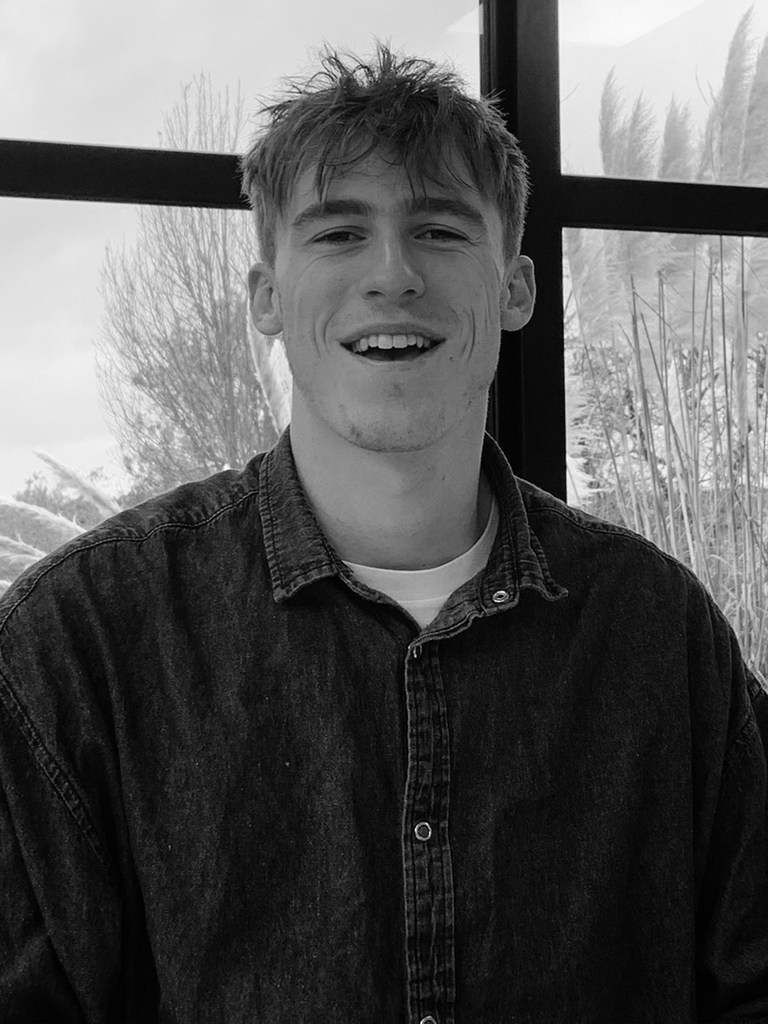
I’m a guy who feels incomplete without the creative experience. I just love it, and I’m fuelled by it. When life feels confusing and I’m lost in the muck of it all, making films is the way I clamber out.
I’m 22 years old and finished my studies in Film and TV at Bristol University last year. I currently have a film, These Quiet Creatures, in the festival circuit. I’m by no means ‘successful’ in the industry, or even a part of it yet, and I have a great deal to learn. But I’ve always lived by the belief that if I want to make something, I’m not going to sit around waiting for someone to give me permission. I’m going to get on with it and do it.
Filmmaking has felt like my calling since I was about 6 years old. In everyday life I can struggle with confrontation and with feeling that my voice matters, but when I’m making a film, something changes. I have a clear sense of purpose. The insecurities wash away. Problems on set aren’t things that make me anxious; they give me energy. They push me into a kind of flow state where I can solve them because I know the story inside and out. For that period of time, I know exactly what I’m meant to be doing.
I try to surround myself with as much art as possible. My room is filled with DVDs, Blu-rays and vinyl, physical reminders of the things that inspire me. There’s something intimate about choosing a Blu-ray from my collection, flicking through the artwork, putting the disc in and losing yourself in it. But of course, nothing compares to the cinema: sitting in that darkness, wrapped in a soundscape with a screen filling your eyes. In that space, anything can happen.
I love music too, despite having absolutely no musical talent. Seeing a band live or popping a new vinyl on the record player is just another source of inspiration and a way for me to process all of life’s ups and downs.
I also find peace in nature. When the city becomes overwhelming, I often find myself imagining the countryside and wanting to disappear into it for a while. Nothing beats a hike with a friend up in the mountains. It’s out in the wild where you realize what your real problems are.
I’d say I’m put off by the idea that films merely help us escape the world. I think the best films do the opposite. They bring us closer to it, to its meanings, its mysteries and the things we can’t quite explain.
A truly powerful film can take me somewhere indescribable. Somewhere that feels completely true and yet ultimately unknowable. That is the place I want to find as a filmmaker, and my ambition is to make films that can take others there too.
-Do you remember the exact moment you fell in love with cinema?
I started making little films for class projects when I was about 7 years old with my dad, simply because I wanted to entertain people and thought making a film was the coolest way to do it. I knew next to nothing about the technical side of things, but my dad helped me through every step of the process. He taught himself how to edit, how to green screen, how to do all sorts of things because he knew how badly I wanted to make a film.
But it was around a year later, when I was 8, that I properly fell in love with cinema. My school set us a challenge to write a review for a film, and I chose Jaws. Like it has for so many people, it completely changed the way I saw what a film could be.
What really blew my mind was the research I did afterwards. It peeled back the curtain on how films were made. They were no longer just stories that magically appeared in front of my eyes, but something constructed by a team of people, piece by piece. Reading about the process and seeing how Jaws was actually made fascinated me.
I became obsessed with the construction of the shark and how Spielberg had to film around its constant failings. The fact that the shark barely worked had somehow led to a masterwork in creativity. It was an early lesson for me that creativity excels under limitations.
I remember asking my parents, “Who gets to come up with all the ideas and be in charge of it?” And that was when I realised that this was actually something I could do. I could be a writer. I could be a director.
I think that was the moment cinema stopped being something I simply watched and became something I wanted to understand, make and dedicate my life to.
-Tell us about your project “These Quiet Creatures”.
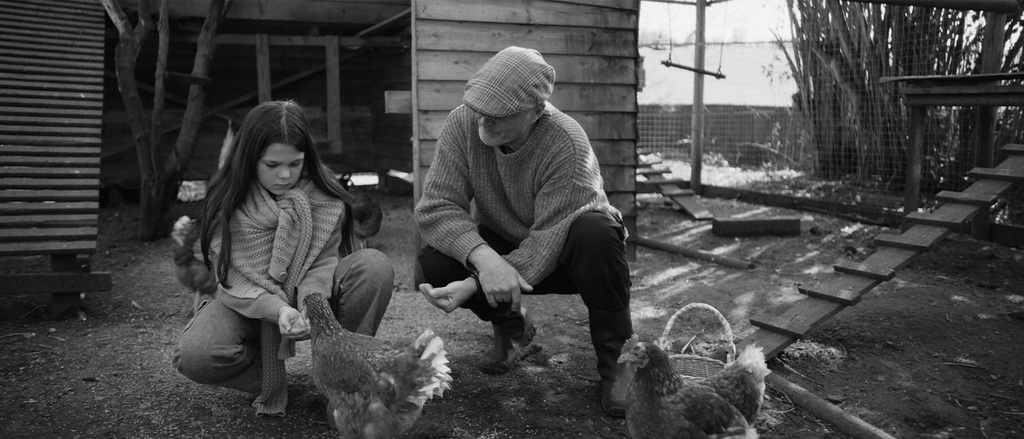
These Quiet Creatures tells the story of a young girl who, after the sudden loss of her mother, is sent to live with her estranged grandfather, a solitary farmer. Having never met, the two are bound together by a vow of silence and slowly begin to build a relationship whilst tending to the land. The film is rooted in the British countryside, shooting in both Suffolk and Surrey, with the landscapes playing an important role in the film’s visual language.
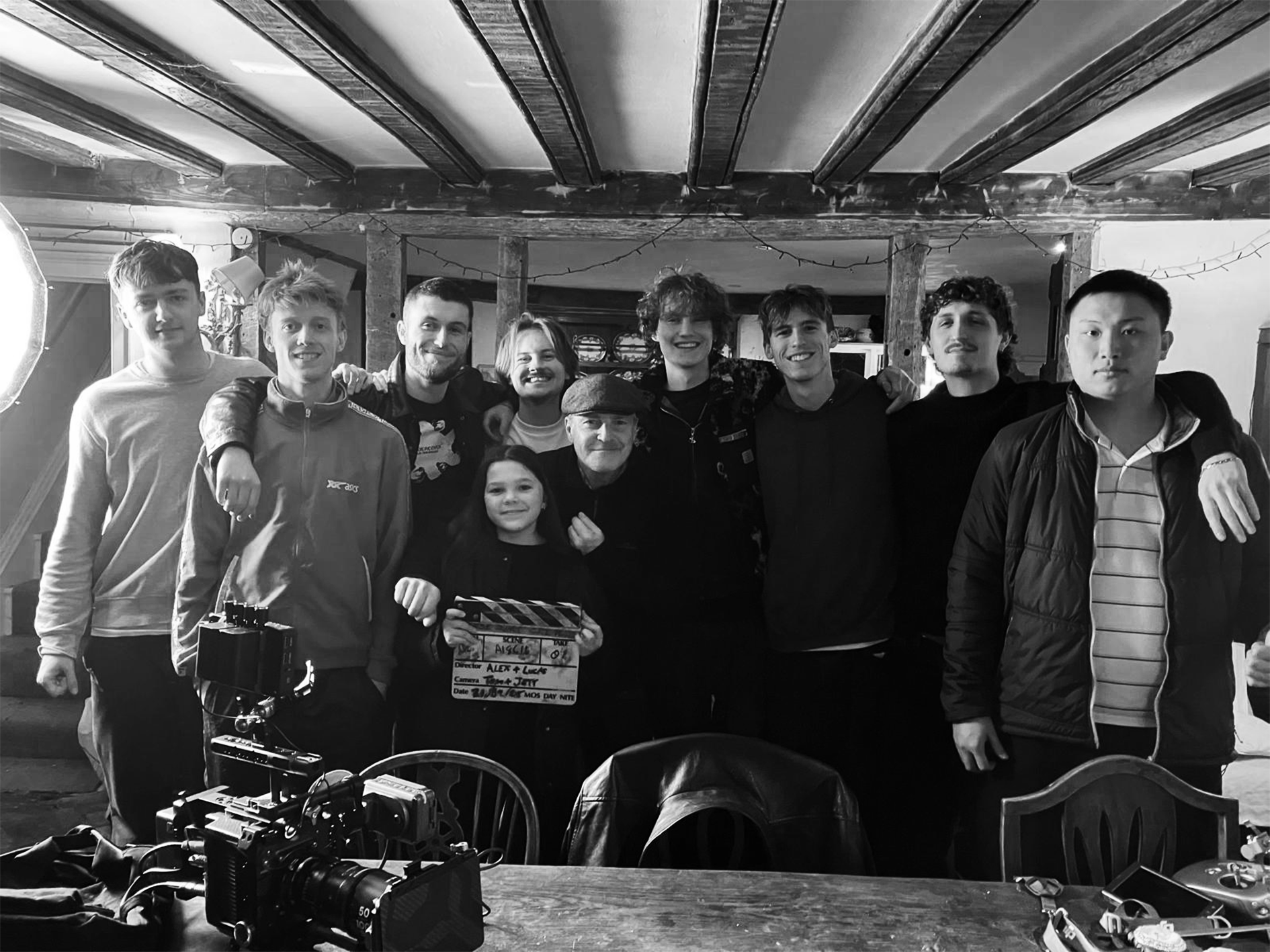
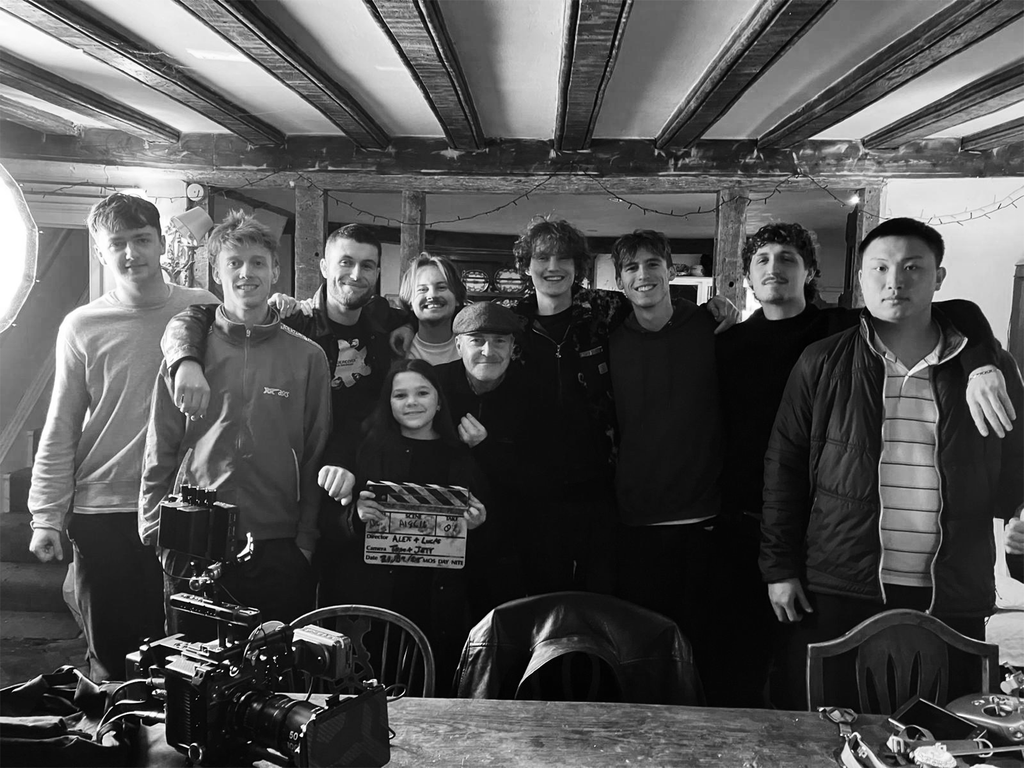
I wrote and co-directed the film with Lucas Molyneux and a group of great friends I met at university. We crowdfunded a budget of £4,000, which mainly went towards actors, catering, props and costume, with our locations kindly granted to us for free.
As with any shoot, we had our problems. One morning, just before shooting a key sequence involving some chickens, we somehow managed to get our ARRI camera locked inside a car. Luckily, even on a Sunday, there was a man you could call who would come and unlock it in seconds – although not for cheap!
The actors we worked with were incredibly talented, particularly the young girl Aurélie Edwards, who played Elsie. She amazed the entire crew, especially because it was her first ever film performance. One of our biggest fears when casting the child role was overacting. Children can sometimes give too much, but Aurélie never overplayed anything. Every direction she was given, she took on board without fear, with just a calm understanding of the character.
With barely any dialogue in the film, sound and music became vital. We were incredibly lucky with our composer, Liam O’Connell, who created a beautifully delicate score that never forced emotion but always understood the mood of the story. His music cast a gentle melancholy over the entire film.
One of the most important lessons I learnt making the film was a classic but brutal one, the art of cutting the shots you love. We had plenty of shots that were time-consuming to get and looked visually impressive, but ultimately didn’t serve the story and infected the pacing. Entire scenes had to go. The film is deliberately slow and allowed to meander at times, but if every scene meanders, then none of them have any impact. It all comes down to finding the balance. I guess sometimes the shot you’re most proud of is the one that needs to disappear.
Overall, we wanted to tell a story that would cast away dialogue. A film that would force us to work out how to tell a story visually with no words at our disposal. Film after all is a visual medium and we wanted to challenge ourselves to tell a story this way. The result is a picture that asks for your attention but will reward you with the beautiful ways in which people can speak without words.
-Which Director inspires you the most?
David Lynch.
I discovered this artist when I was about 15, when I watched Eraserhead for the first time. It completely blew me away. I had never realised a film could behave like this, feel like this. I was transported into a world that felt strangely distant and yet somehow familiar. The soundscape, the performances, the cinematography and the sense of place all felt revolutionary to me. After that first watch, I set out to see everything the man had created.
The reason he inspires me is because of his dedication and wholehearted belief in the creative process. He trusted his own intuition about whether an idea was worth following, catching the big fish, as he would say. He dedicated his life to art: painting, filmmaking, music, sculpture, all of it equally important. That level of devotion to creativity is what inspires me. I had never heard anyone talk about art with such passion and belief, as if they would genuinely die if they didn’t create.
Like anyone I can struggle to motivate myself. I know all I need to do is to create and I’ll feel fulfilled, yet sometimes a dark pressure pulls me back. Makes me think I’m not good enough. Then I’ll watch an interview with Lynch and suddenly I’m off to work. There’s something about his attitude towards creativity that cuts through all the bullshit and sets me on the right path.
Lynch also made me realise that I don’t have to understand everything about a film. If I feel it, that can be the most important thing. That is something I will always take forward with my own films. Ambiguity is okay as long as it makes sense on a deeper level. You don’t have to explain everything to the audience. Sometimes the mystery is the beauty.
People often say there is an awful lot of irony in Lynch’s films. But from my experience of watching them, and from reading countless interviews with the man himself, I really can’t find this to be true. I think he has such a genuine curiosity and deep love for the world and humanity. Yes his films can be extremely dark, take Frank Booth in Blue Velvet, huffing on whatever that canister is yelling ‘MUMMY!’ – but they can also be profoundly beautiful. Think of the final moments of The Elephant Man, the robins of Blue Velvet, or the entirety of The Straight Story. There is often a balance between the darkness and the light (don’t get me wrong though it can get pretty fucked up).
Lynch made me embrace the unknown. He taught me to trust myself and that strange intuition deep down that tells you when something is worth pursuing.
And most importantly of all, he taught me to create, and create, and create.
-What do you dislike about the world and what would you change?
Our overuse of phones.
Yes it’s talked about all the time but it really is something that concerns me, particularly in my generation. We’ve almost been forced into an addiction by social media apps designed to lure us in and keep scrolling. When I’m out on the street and I see half the people walking with their heads down looking at a little screen, we’re losing a genuine connection with the world around us. When someone had a long journey or a walk 30 years ago they had to be present with their thoughts. Nowadays we’ll do whatever we can to distract ourselves and the phone is the easiest fix. We’re no longer spending the valuable time inside our own heads (and subsequently the world around us) that we really should be. Seems to me like phones are the largest addiction problem we have in the world right now and nothing’s really being done about it.
Don’t get me wrong, there are so many benefits to having a phone. I love being able to listen to music on the train, and I wouldn’t have been able to make films when I was younger without the iPhone 5 in my pocket. But I also find myself spending hours a day on social media looking at things I’ve forgotten within seconds. I mean nowadays I don’t know what’s real. I saw an AI video of the Queen wrestling Stephen Hawking. I’m sure it fooled someone.
Even having headphones on can remove those wonderful sounds that are going on around us all the time and I’m saying this as someone who loves music. I walked past a house the other day and heard a lady singing gloriously from her window and it was magical. Thank god my headphones were out of battery.
I currently use an app that blocks other apps for periods of the day, which is pretty mental when you think about it. I’m using an app to stop myself using another app, but hey, that’s where we’re at.
I don’t think enough is being done to question how much screen time we’ve come to see as normal. We don’t really know what constantly scrolling is doing to our minds, but honestly, it can’t be good. Sometimes I just think, fuck it, should we all go back to having a BlackBerry?
It’s a difficult one because I don’t want to get rid of phones. I love the ability to take photos, the music, the communication and so many other things they offer us. I just think we’ve completely lost the balance.
Perhaps there need to be stronger laws around how addictive social media platforms are allowed to be. Even going back to when Instagram could actually finish scrolling at a certain point would be better. There used to be an end to it. You could reach the bottom. Now there is no bottom.
I say all this because it genuinely affects my day-to-day life. I have to actively try to cut it out of my day, and I know a lot of people my age feel the same way.
I’d like to see a culture where putting your phone away becomes something to celebrate. Where being bored is okay again. Where we’re encouraged to sit with our thoughts, look around us and actually be present for a while.
I don’t think we need to reject technology. We just need to stop allowing it to take away the parts of life that were never meant to be replaced.
-How do you imagine cinema in 100 years?
In 100 years, I believe we’ll see a return to form.
The world is constantly making technological advancements that supposedly make our lives easier, and cinema has always been swept up in this. But advancements aren’t always for the better. Take 3D, a gimmick of cinema that studios have tried to push for decades, yet it never stuck. It could neve prove itself to be better than the traditional 2D experience.
I think the same could happen with AI, VR, holograms and whatever new ways of watching films we haven’t even imagined yet. Technology will keep advancing, but eventually I think younger generations will push back. They’ll look to the history of cinema and realise there’s something there worth returning to.
I don’t think we’ll all be shooting on large, clunky film cameras (although that would be pretty cool) and making silent films again. It will be more about bringing practical filmmaking back into the process. We’re already seeing filmmakers do this, Mark Jenkin with his Cornish trilogy all shot on film, or Nolan blending practical effects with CGI. It’s about finding that sweet spot: not rejecting the new, but not allowing it to completely replace what came before.
Don’t get me wrong, technological advancements are incredible. I wouldn’t have been able to make nearly as many films without digital filmmaking. But I think technology can take us too far away from the medium’s original purpose. If we keep pushing forward while ignoring the roots of cinema, we risk ending up with something unrecognisable, something that has lost some of the magic that made us fall in love with it.
There’s something particularly interesting about the idea that AI could remove all limitations from creativity. We’re told that anything we can imagine can now be put on screen. But some of the greatest films ever made were great because of their limitations. Limitations force creativity out of the shadowy corners of our minds. They make us find solutions.
I mean, what would Jaws be if the shark actually worked? Honestly, nowhere near as interesting if you ask me.
Many of my generation are already fascinated by the history of cinema. We love to see grain on screen and get excited by the knowledge that a director actually shot something for real, that those extras weren’t CGI, they were actually there. There’s something undeniably impressive about that. I think my generation will help ensure we don’t move too far away from the things that make the medium so beautiful.
Cinema itself is still an incredibly young medium. The camera has only existed for a couple of centuries, which, in the grand scheme of things, is nothing. So no one truly knows what cinema will become in another hundred years. But I hope that, whatever technology we have, we don’t lose sight of why we watch films in the first place: to be taken by a story, swept up by images and sound, and made to feel something, made to think – not too marvel at some new gimmick.
-What is your impression of WILD FILMMAKER?
I think Wild Filmmaker is a great community for filmmakers who don’t want to fully comply with the studio system, who put the art first. It provides opportunities and connections that may otherwise never have been formed, whilst creating a space for people who genuinely love cinema. In a world where so many things can become about money it’s refreshing to see a community of artists who seem to genuinely care about the medium and, as Lynch would say, live the ‘art life’.
What particularly appeals to me is that Wild Filmmaker doesn’t seem interested in simply looking backwards or forwards. It seems to understand that both are important. As I mentioned before when talking about technology, I love their ethos of respecting cinema’s past whilst finding new ways to move it forward. There is so much to learn from the history of the medium, but I don’t think that means we should simply recreate what has already been done before. It’s about taking those ideas, techniques and values and finding something new within them.
I also really like the idea of Wild Filmmaker as a community rather than just a platform. Filmmaking can be a very isolating thing, particularly when you’re working independently, and being surrounded by people who are equally obsessed with cinema can be incredibly valuable. The opportunity to meet filmmakers, share ideas, collaborate and simply talk about films with people who care as much as you do is something I’d really value.
Ultimately, my impression is that Wild Filmmaker is trying to protect something that can easily get lost in the modern film industry: the idea that making films can be an artistic pursuit in itself. Not everything has to be about chasing the biggest audience or making the most money. Sometimes you can just make something because you have an idea that won’t leave you alone.
And I think that’s a pretty good reason to make a film.
The Brazilian filmmaker discusses his new feature project, a psychological and political drama about intimacy, ideology, surveillance, and the fragile boundaries between love and power.
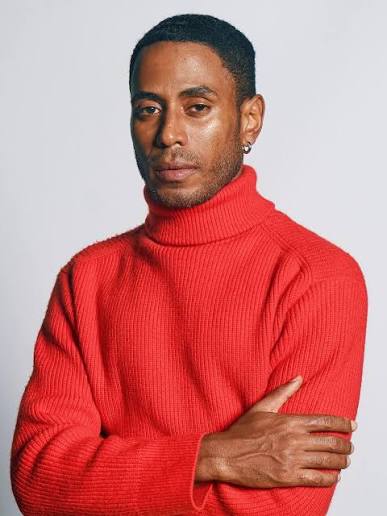
Brazilian filmmaker and writer Davi Kinski works across cinema, theater, and literature. His debut feature documentary, Poemaria, premiered in competition at the 52nd Gramado Film Festival and later received international awards, including Best Feature Documentary Director at the Tokyo Film Awards, Best Documentary at the Search Light International Film Festival in Mumbai, and the Audience Award at Cinema e Transcendência in Brasília. His short film Alice, Five Minutes Before Sunset also built an international festival career, earning awards abroad and nominations in Los Angeles. In 2026, Kinski was twice highlighted by The Hollywood Reporter among independent filmmakers during the Cannes and Venice film festival periods.
He is now developing Hearts in a Trance, his new fiction feature — a psychological, political, and erotic drama set between Ipanema, in Rio de Janeiro, and the idyllic coastal city of Maricá, in the state of Rio de Janeiro, where desire, ideology, and surveillance collide.
At the center of the story are Gabriel, a melancholic literary editor; Marina, a provocative filmmaker with whom he shares an open relationship; and César, an enigmatic former military man whose arrival disrupts their emotional balance. Marina begins a documentary experiment about the lives of the three of them, turning Gabriel’s home into a space where their intimacy is constantly filmed. As the experiment unfolds, desire, performance, and ideological tension begin to blur the boundaries between art and life, intimacy and control.
The screenplay has already won Best Original Screenplay at the New York Movie Awards and Best LGBTQIA+ Screenplay at the Indian Independent Film Festival, while also becoming a finalist at screenplay festivals in Cannes, Oxford, and Cambridge. The project is being developed with Rio de Janeiro-based producers Chris Mattos and Thales Calazans, with Ícaro Silva and Luísa Micheletti already confirmed for the cast. At this stage, the production is also open to new collaborations and international co-production partnerships.
Wild Filmmaker: Hearts in a Trance brings together sexuality, politics, surveillance, and cinema itself. How did the film begin for you?
Davi Kinski: It began with the feeling that, in today’s world, the political and the intimate can no longer truly be separated. Politics has entered our homes, our relationships, our language, and even the way we desire one another.
I wanted to make a film in which this fracture was not discussed from the outside, but experienced through three bodies sharing the same space. Gabriel, Marina, and César desire and provoke one another, and gradually become trapped in a relationship where affection, ideology, and control are almost impossible to distinguish.
So the film was born from a simple question: what happens when you invite into your intimacy someone who represents almost everything you believe you oppose?
That contradiction became the heart of the screenplay.
Wild Filmmaker: The film revolves around a bisexual and polyamorous relationship. Was it important not to make sexuality itself the central conflict?
Davi Kinski: Absolutely. Their sexuality is not the problem.
I was never interested in making a film in which bisexuality or polyamory had to be justified, explained, or punished.
For Gabriel and Marina, an open relationship is already part of their emotional vocabulary. César enters that space naturally, at least at first. What destabilizes them is not the fact that three people desire one another. The conflict comes from power, manipulation, jealousy, ideology, and the possibility that intimacy itself can become a tool of control.
The characters are free in their desire, but they are not necessarily free from fear, vanity, political violence, or the need to possess one another.
That distinction is fundamental to the film.
Wild Filmmaker: Marina is a filmmaker inside the story, and the camera gradually shifts from a creative tool to an instrument of surveillance. What interested you in that transformation?
Davi Kinski: Marina believes that filming is a way of understanding reality.
At first, her camera seems liberating. She records their intimacy almost as an artistic experiment and transforms Gabriel’s apartment into a laboratory where everyday life becomes performance.
But the film gradually questions that belief.
The more Marina films, the harder it becomes to know whether she is documenting reality or producing it. We are always performing to some degree — for lovers, friends, cameras, social media, and sometimes even for ourselves. The presence of a camera simply makes that performance visible.
Then surveillance appears without consent.
The same device that represented artistic freedom becomes an instrument of domination.
For me, the camera itself is morally neutral. What matters is who controls the image, who authorizes its creation, and who controls its meaning afterwards.
Eventually, the distinction between filmmaker, participant, and voyeur collapses completely.
Wild Filmmaker: The title clearly evokes Glauber Rocha’s Terra em Transe (Entranced Earth). What does that connection mean to you?
Davi Kinski: It is very important.
The title is both a tribute and a displacement.
Glauber’s Terra em Transe transforms political collapse into fever, theater, and delirium. I wanted to take that idea of political trance and bring it into the intimate sphere.
Instead of a country represented through politicians and revolutionaries, I have three people inside an apartment.
The country enters through their bodies.
Their desire becomes political. Their jealousy becomes political. Their fear becomes political.
So perhaps the film asks what happens when the historical trance of a country becomes an emotional trance.
That is where Hearts in a Trance comes from.
Wild Filmmaker: The screenplay has already received international recognition, and the project is now moving toward production. Where are you at this stage?
Davi Kinski: The international response has been very encouraging because the screenplay is deeply Brazilian, but its themes seem to resonate beyond Brazil.
It has won Best Original Screenplay at the New York Movie Awards and Best LGBTQIA+ Screenplay at the Indian Independent Film Festival, and was a finalist in Cannes, Oxford, and Cambridge.
We also have Ícaro Silva and Luísa Micheletti confirmed for the cast, which is very exciting because this film depends enormously on chemistry, silence, physical presence, and what happens between the lines.
I am developing the project with Chris Mattos and Thales Calazans, two Rio-based producers who are working closely with me on the production and financing structure.
This is precisely the moment when new partnerships can make a real difference. Collaborations and international co-productions are extremely welcome at this stage. We are open to conversations with producers, co-producers, financing partners, sales companies, and institutions interested in independent auteur cinema.
Wild Filmmaker: Besides Hearts in a Trance, what other projects are you currently working on?
Davi Kinski: I am currently developing Cortez: No Coração do Palco (Cortez: At the Heart of the Stage), a documentary about Raul Cortez, one of the great actors of Brazilian theater, cinema, and television. In terms of presence, versatility, and artistic stature, I believe he occupied a place in Brazilian culture comparable, in many ways, to someone like Anthony Hopkins internationally
But the film is not intended simply as a portrait of his career. It will be narrated by his daughter, Maria Cortez, who, twenty years after her father’s death, begins with a question that is both simple and profound: who was this man, really?
Through her memories, the recollections of people who knew Raul, archival material, and his body of work, the documentary becomes an investigation into memory — into what remains after someone is gone, and into the way an absence can remain deeply present.
That idea fascinates me. Sometimes a person disappears physically but continues to inhabit spaces, affections, objects, stories, and even silences. In a way, the film is not only asking who Raul Cortez was, but how someone continues to exist in the lives of others after they are no longer here.
At the same time, I am in post-production on No Armário (In the Closet), my second feature documentary, co-directed with Franthiesco Ballerini. It is a film about sexuality, identity, and the different ways of living between visibility and concealment.
These projects are very different, but they all connect to questions that deeply interest me as a filmmaker: identity, memory, intimacy, absence, and the way we construct ourselves — and others — through images.
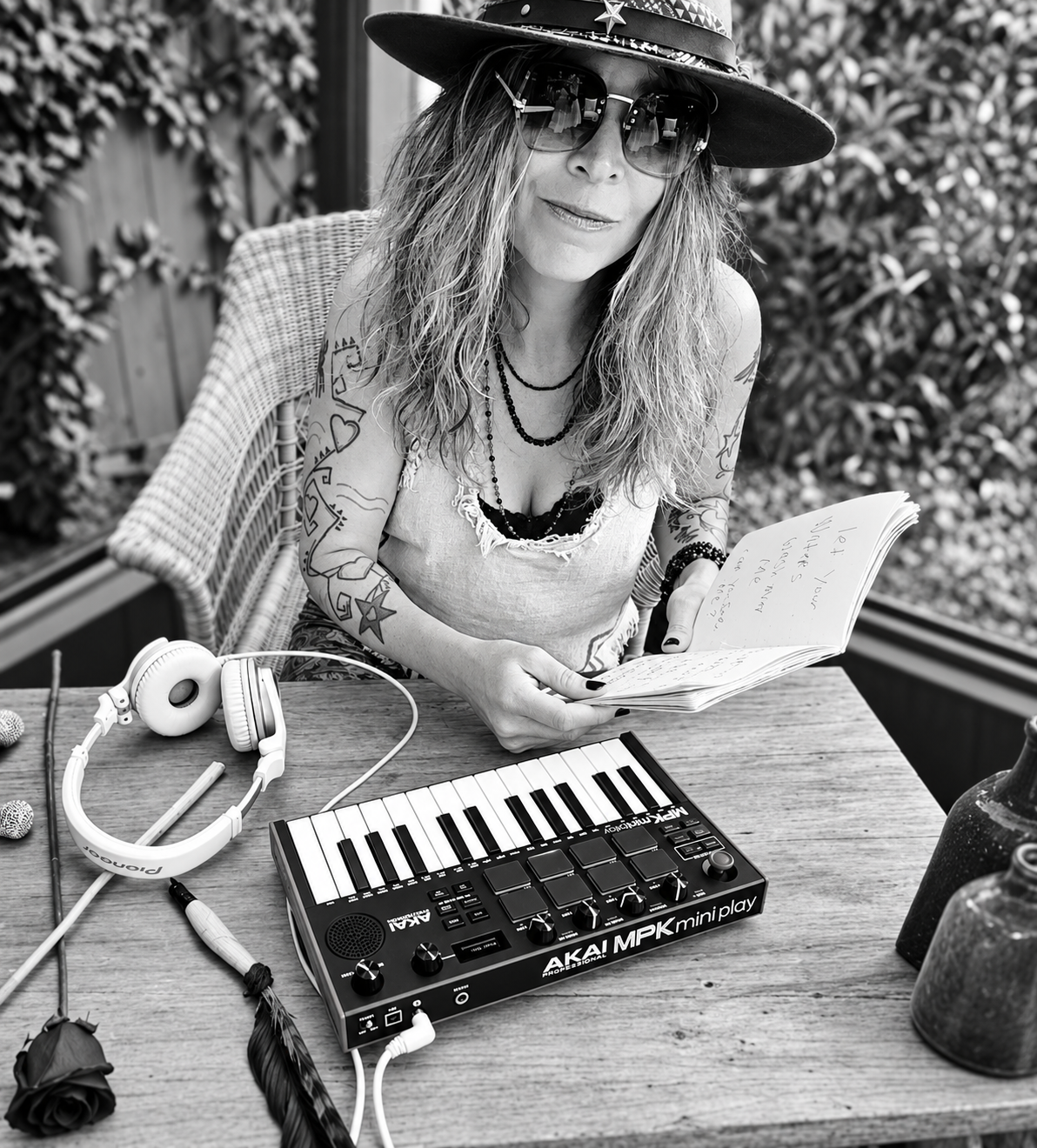
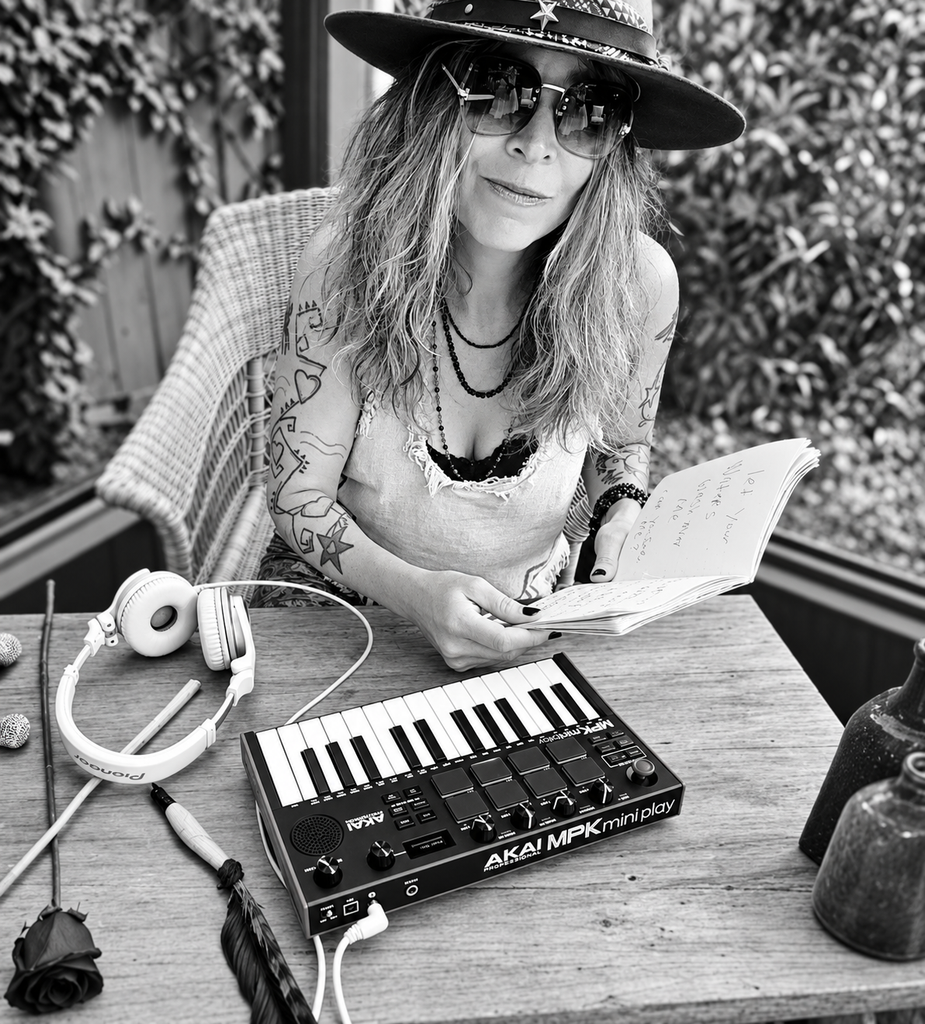
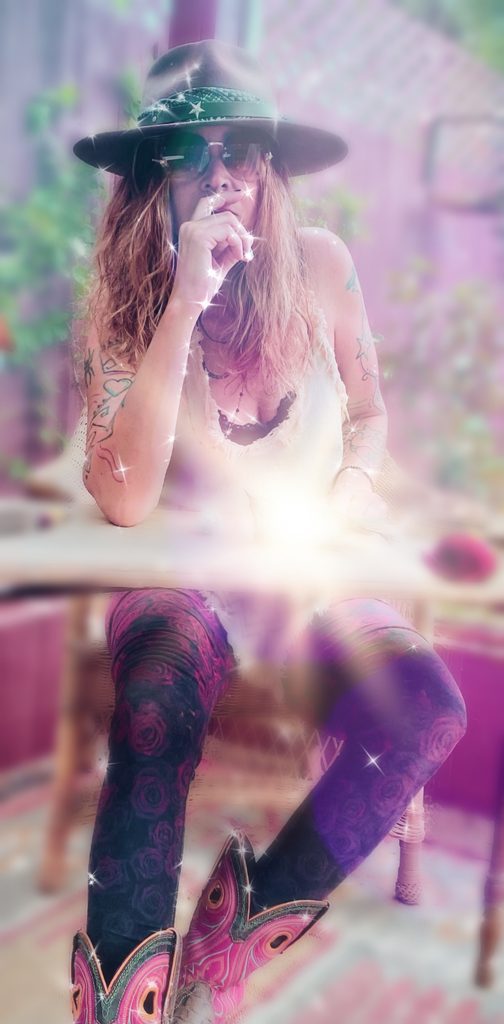
Starry Venus is me, I’m an artist. I have a multi-discipline approach to figuring out who I am and exploring that as part of my path. I’m a lifelong musician and artist, passionate about being in nature and experiencing the world, from a deeply felt, organic place of contemplation and questions. Starry Venus is my exploration of my own consciousness here on this planet and in this universe. It’s a daily communication in many ways. It is a consciousness I chose to be. I’ve always had a deep passion and love for film. I especially like films that go beyond our mainstream perception of what we think film is, as an incredible art form. I have experience with performance art, sculpture, and other things, playing different kinds of music, and even touring in a different incarnation. Starry Venus is the culmination of my path and stepping into my identity.
-Do you remember the exact moment you fell in love with cinema?
I took a German film class when I was in grad school and became very excited and passionate about Werner Herzog’s work. It might be strange films to reference, but the way his early work was put together was so visceral, so powerful, so fascinating to me. It captured me in that moment and showed me something that was possible, because he had a way of bringing something so visceral, so deeply felt, into a story that involves nature. His films always have nature as a character. That was a very transformative experience for me, and it’s what awakened me to what’s possible with film.
-Tell us about your project “Do You Feel It (Eric Kupper Remix).”
This short film / music video is very much a journey, set to Eric Kupper’s trance remix of my song “Do You Feel It.” I’m taking it to another level, weaving together multi-dimensional aspects and a narrative story that expands off the original video. With this one, I decided not to hold back. It’s fast-paced, like the dance song, and visually beautiful. Each character has a story that’s unfolding, an identity of its own; the various narratives are speaking to each other — giving the viewer an experience as much as telling a story. I intentionally referenced many intense things that are going on in the earth right now, in nature and animals, as well as the character of Anastasia of the Ringing Cedars. I included myself as the creator and artist who moves through these extremes that become the container from which we create. Those same extremes are playing out in the world: life and death, creation and destruction, love and loss, inspiration and the past and present. I’m weaving something that shows how all these pieces are interconnected, and it’s the song that carries it. I’m presenting these extremes, but it always comes back to showing beauty, moments of connection, the way the light moves. This video is a love story to creation — very connected to the earth itself.
-Which director inspires you the most?
Beyond Herzog’s early work, I’d say David Lynch. Everything he pioneered in his work, such as Mulholland Drive, there are incredible aspects to how he brings wild elements together, so successfully that it reached the mainstream. I feel inspired by the way he figured out how to do that in such a fascinating way. It gives permission to remember, as a filmmaker, what is possible, and that there’s a limitlessness there that I really admire. When you can take that limitlessness and put it into form, that’s the beauty of art.
-What do you dislike about the world and what would you change?
What I dislike about the world is how there seems to be a constant push from all different types of influences to give up our power, to give it away, without first understanding what our power is, as the human beings and spirits that we are, walking this planet in these bodies. There’s so much influence in this world that seems designed to push us out of our power centers without us even realizing what we’re doing, whether that’s through religious programming, media, or whatever the newest influence is. I don’t like that this world comes with a preset to give that away first, instead of understanding who we are. If we didn’t give our power away, would we even be fighting? Would there be problems? Imagine if everybody was walking around feeling totally empowered, totally embodied, and at peace in themselves. What I would change is that we don’t come into the world forgetting everything. If I could change one thing, it would be that we get to be born and remember who we are: our multidimensional identity, our cosmic identity, our human identity, our Earth identity, our travels through all the different aspects of the full-body consciousness that we are. That we remember we are that beautiful, powerful light, that all the information is already within us, everything we need, and that we can share that, so we can walk into the world and express that light to one another without having to give it away, take it, or forget it.
-How do you imagine cinema in 100 years?
Given how things are going right now, that’s almost painful to answer, because I don’t want to see cinema become some kind of artificially operated system. To me, the beauty of cinema is working hands-on with the tools and the elements, with nature, the scene, the people, bringing the dreams we fall asleep with to life with our instruments. That tactile artfulness is what I love about cinema as it’s already existed, and now we’re watching that change. I don’t want to see an AI agent making a movie, because I don’t want to watch that movie. That’s not the art. Maybe people will get tired of that and it won’t happen, but I’m a little concerned about the direction things are moving right now, and I think it’s important to hold on to that sweet spot of where art in all its forms, cinema, music, painting, community, happens. I think it’s still possible in 100 years, but I’m a little concerned that if that art isn’t there, how can you even call it cinema? Cinema is the place where dreams come to life, where we can speak and share that dream and communicate. I don’t want to see something artificial running that. This is why I feel publications like this one, and the people holding these spaces where the art is actually getting made right now, matter so much. If we get to hold on to that, I think there could be a really beautiful, amazing part of cinema in the future, one that can involve technology and still be futuristic. But I don’t know if people will even care about cinema if we’re merged with something virtual. At that point, for me, I’m going to be out in a field somewhere, lying down, watching the sky. I don’t want to merge with that. I want to keep exploring and having that artistic conversation. I think it’s unknown exactly where the direction goes, what art will even be in 100 years, and whether people will have forgotten where cinema came from.
-What is your impression of WILD FILMMAKER?
My impression of WILD FILMMAKER is like when somebody’s out there mining, treasure hunting in a big field, and when you find that treasure, you’re weaving it and putting it into a presentation that helps other people recognize what those treasures are. I feel like WILD FILMMAKER is celebrating the art within filmmaking and cinema, and it’s important to find that wildness and speak to it. I think it perfectly describes what WILD FILMMAKER is doing, helping people recognize why that wild part matters so much. That’s very important to me, and it’s refreshing.