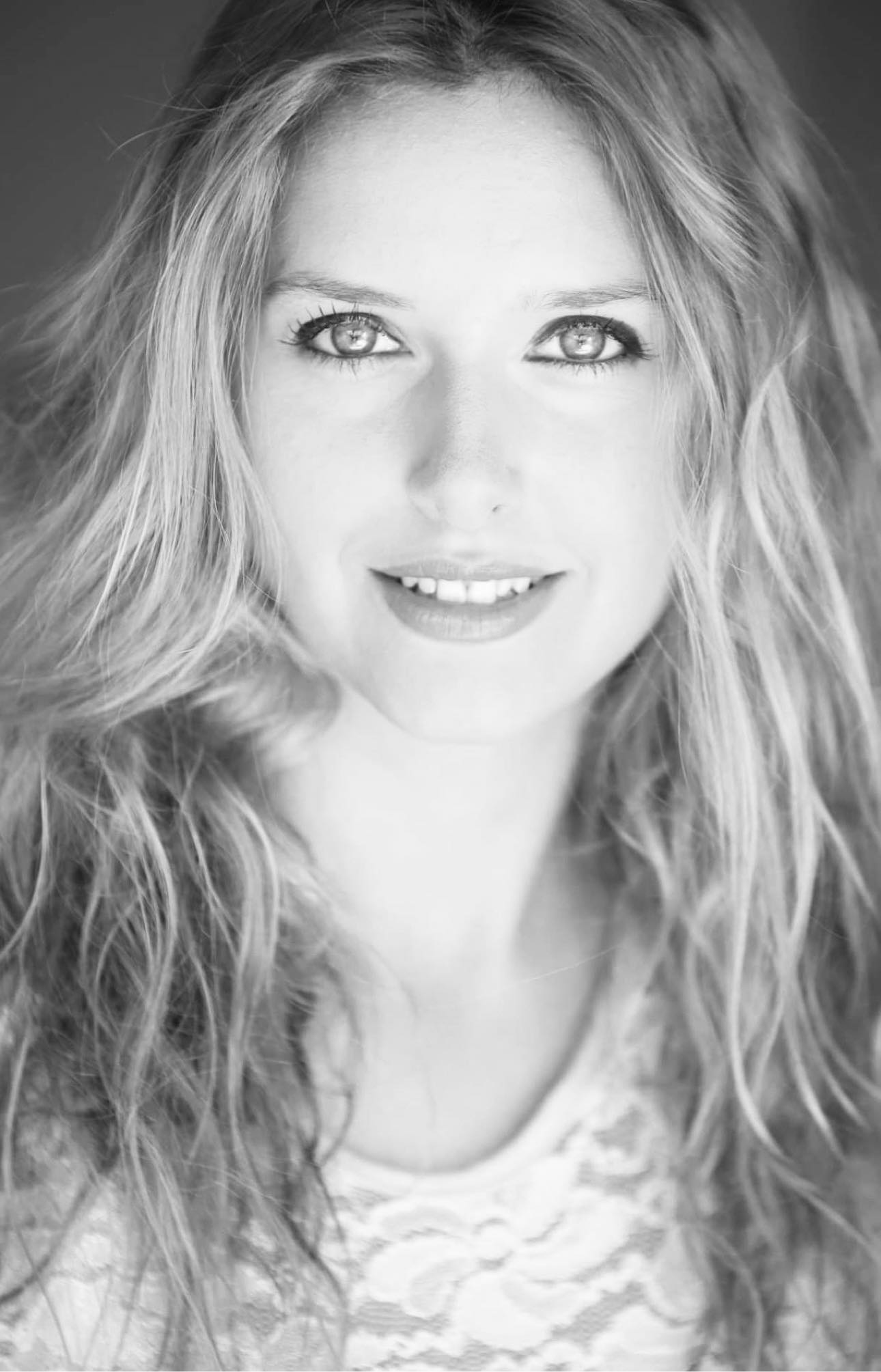
Sena Tunali (EXCLUSIVE) Interview – FFFestival Winner

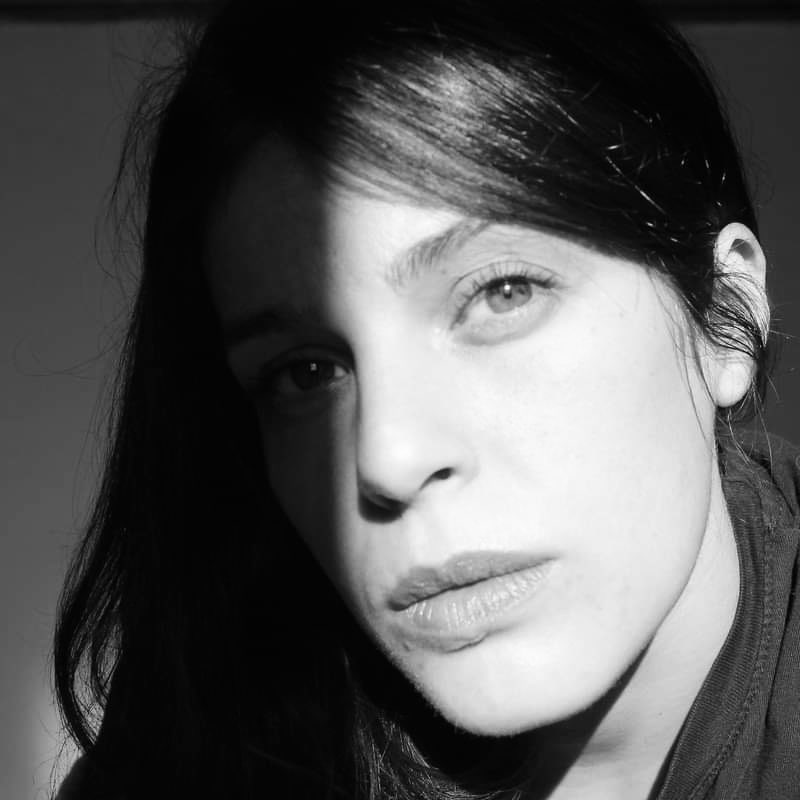
Sena Tunali is an award winning film producer director and actress. Produced, directed and also written the scripts of films named “She is Mine” and “Anna” in 2017. She is Mine production of Sena Tunali won so many awards from international film festivals across the world. Also Produced “Who is Responsible” film about global warming and environmental problems in the year of 2019. Played parts and lead roles in more than 40 short films. Took acting classes from Hollywood professionals in New York Film Academy in 2015. Took Meisner acting technique training from Anthony Montes in Hollywood in 2016. Played parts and lead roles in many theatrical works including Romeo Juliet, Dan of Thieves, and Proof. Interviewed on Dante Night Show in 2017. Graduated from Vienna Music Academy and Bilkent Faculty of Music and Performing Arts as a professional concert pianist in 2007. Also graduated from Wheaton College MA with a Bachelors degree in International Relations in 2012. Sena Tunali is a concert pianist and started playing when she was a little kid. For her, Music, Film, Theater, Art, all of them are amazing ways of telling stories. Till her high school age, she spent most of my time telling stories with piano in concerts around the world. However,she always had filmmaking and theater in her heart.

As she states “somehow, I felt half only with music to tell a story. I needed other forms of art makings to feel full at my heart. The art of Filmmaking fascinated me the most because it contains all forms of art in it at some point”. 

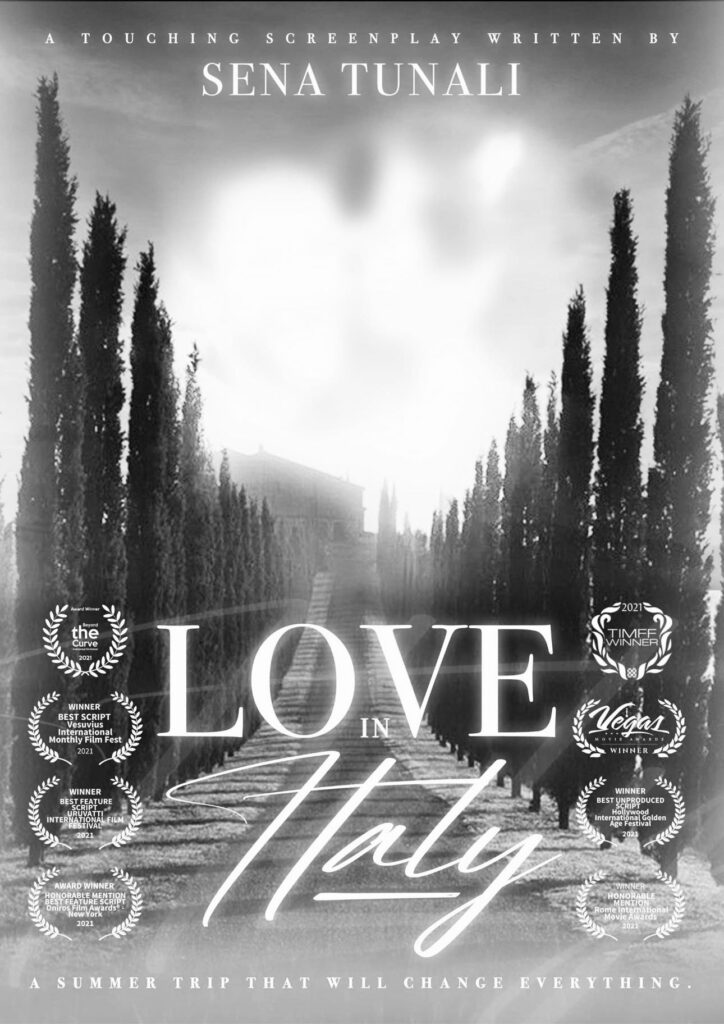
Currently working on her feature film inspired from a true story named “Zumrut”. It’s about a little girl who is secretly adopted by a family. The Screenplay of Zumrut also won so many awards from prestigious festival across the globe.  Also working on her feature film project named Love in Italy, tells a story about two lovers and their struggle to get together. The project discusses true love, so the audience will enjoy a very much emotionally filled scenes.  The Screenplay of Love in Italy also won so many awards already from prestigious film festivals across the world.
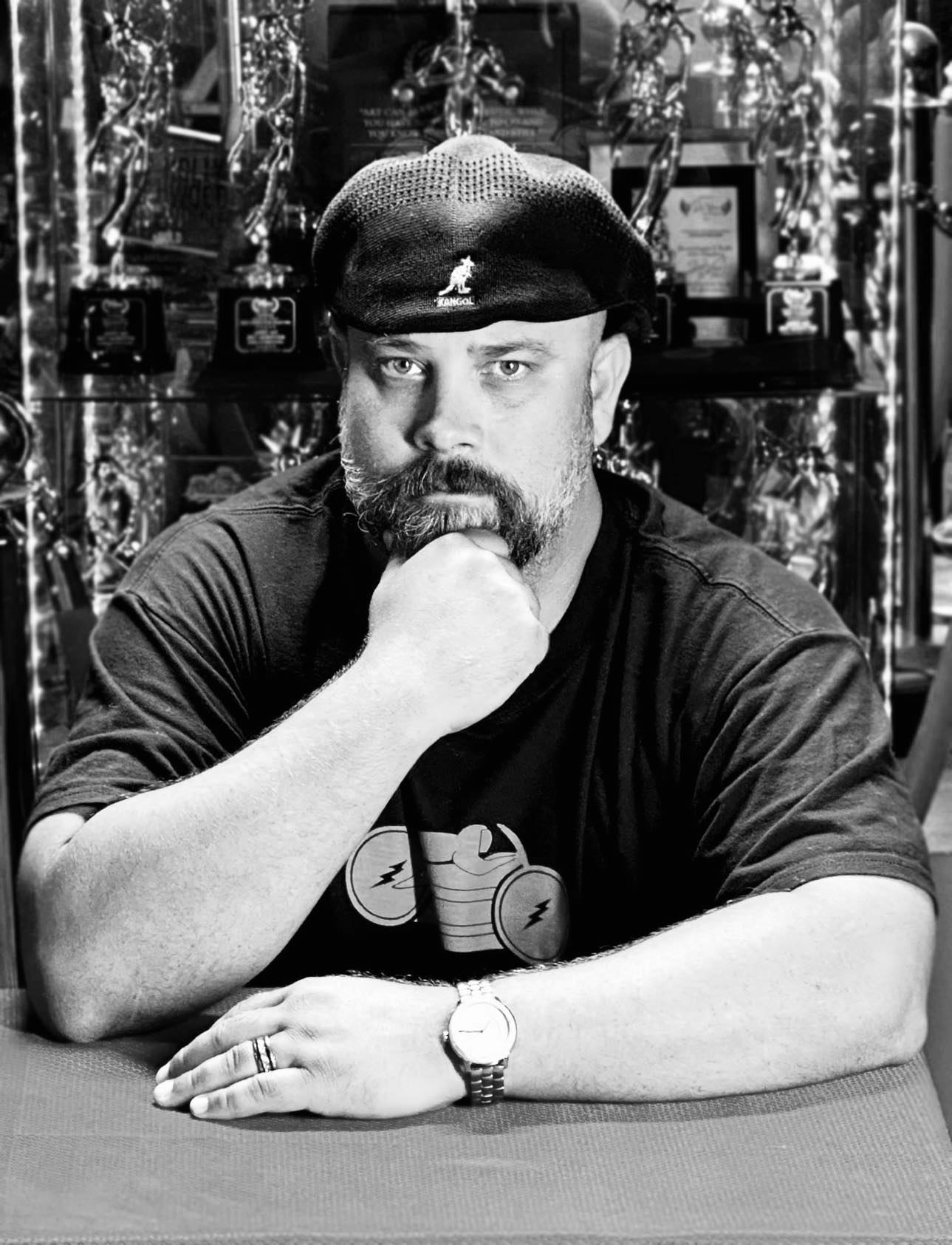
“Born a true showman” (EXCLUSIVE) Interview with James Matthew Storm

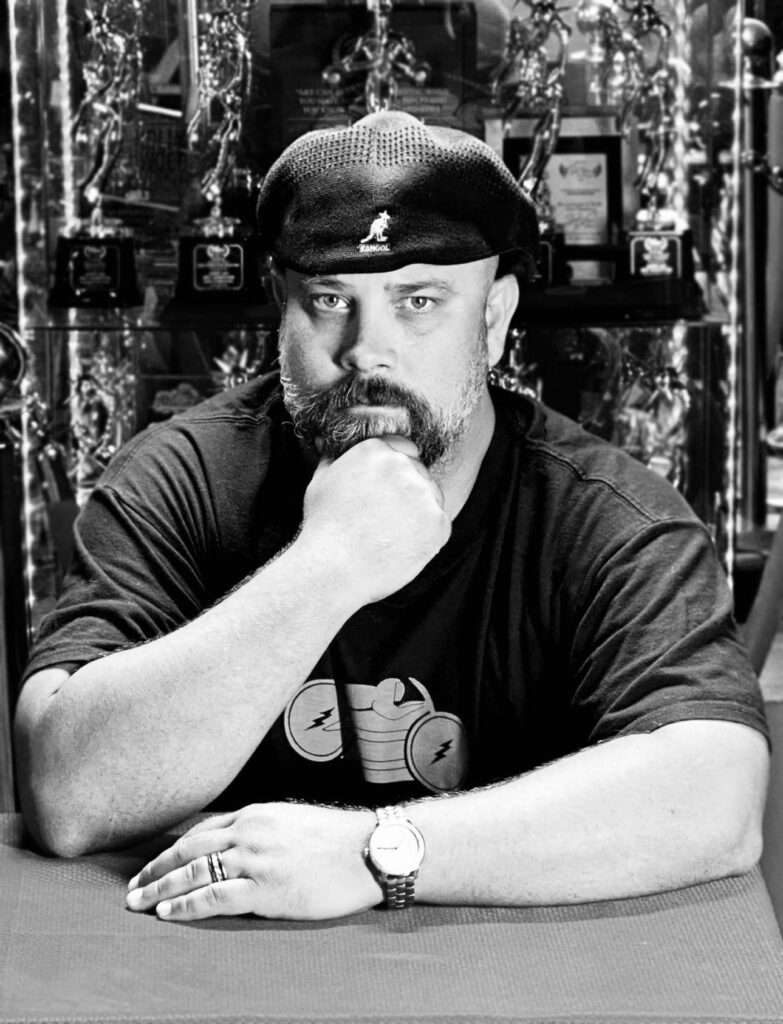
-Who is James Matthew Storm?

First and foremost James Storm is a storyteller, an entertainer, and an artist. I am also a lover, a fighter or any one of the many hats I wear on a daily basis. As a Producer I’m often called on to be many different things for many different people. It’s the nature of the beast. Cultivating relationships and making decisions that protect my crew is part of my daily mandate. When all is said and done I would like to be remembered not just as a brilliant filmmaker but also as a loyal friend, a protector of man, and perhaps someone who at least tries to bring love, mercy, and wisdom into the world – especially through film.

-What inspired you to become a filmmaker?

Born a true showman, I started making my movies at the age of six and just never stopped. Had I been born a hundred years ago I’m sure I would have been involved in the theater or more likely the circus. Obsessed with presentation and spectacle I’ve always loved showcasing something new and exciting to an audience. There is no better feeling than blowing peoples minds with a project that no one was expecting. I know if I hear the words (and I often do) “this guy did that!?” I’m doing things right. By the time I graduated high school I already had a plethora of indie films and an expansive creative portfolio. My journey was a very organic one. There never really was a moment of inspiration where I decided to become a filmmaker. As far back as I can remember I always just was one. If anything, my moments of cinematic enlightenment came later when I had to ultimately decide to embrace who I was and, for better or worse, chase my destiny.

-Do you think the cinema can bring a change in the society?

Cinema is arguably the most powerful tool for change in our world today that isn’t a weapon. Even then, Cinema is sometimes used as a weapon. Great cinema is not only the ultimate form of entertainment it also has the power to change hearts and minds. A great film has the power to sway the masses, motivate nations, and even destroy societies. Cinema has been an art form for barely over a hundred years yet history has given us plenty of examples where it was used for good and evil. That is not a power that should be handled lightly and that is why I take my film work a little more seriously than most. Respecting the art form is just the beginning. I would never want to be reckless with the power given to me, even in my humble little corner of the world.

-What would you change in the world?

Everybody wants to change the world, am I right? I’m not sure I would have the qualifications or the hubris to make a universe-altering call like that. Rather, I would like to be given the opportunity to change the world through my work. Arguably it’s the quest of all artists to create something so inspiring, so moving or thought provoking, that you can change the hearts and minds of the masses. Of course that’s what I want, too. Like most artists I don’t want to be forgotten. I want to believe that my work made a difference in this world and I’d like to achieve artistic immortality in one form or another.

-Where do you see the film industry going in the next 100 years?

Considering how fast technology grows exponentially I think we are going to see a merging of art and technology like never before. Currently we are all watching a major revolution take place before our very eyes with the SAG-AFTRA strike in Hollywood. Now that artificial intelligence has entered the scene the playing field has gotten a lot weirder. Nobody knows what to do, especially the studios. Hollywood as we all know it is destroying itself from within and it won’t survive unless it learns to adapt. Will I live to see a day when A.I. wins awards for best screenplay or even best picture? Probably. I’m not holding out much hope for the studios taking the high ground on this one. If they could run the entire production team with A.I., they will. As Hollywood implodes the world is going to have to turn to those creative individuals making Gone with the Wind in their basements. At least for right now, a new golden age for indie films is right around the corner. It’s going to be the independent filmmakers that save our cinematic souls and I hope to be at the forefront of this revolution. This is an awesome era to live in, as an indie filmmaker.

-What‘s next for James Storm?

My next project has been years in the making and is one of the most anticipated projects of my career. It’s a novel and film project titled “WHERE THE DRAGONS SLEEP” (2024). It’s essentially a semi-autobiographical adventure thriller about my crew and I as we navigate indie movie making in what we like to call “dark Hollywood”. Once completed, I’ll be very interested to see what you think of it. Thank you 8&HalFilm Awards and WILD FILMMAKER MAGAZINE for giving me this incredible interview opportunity.

“Night Vertigo” (EXCLUSIVE) Interview with Stewart Lane

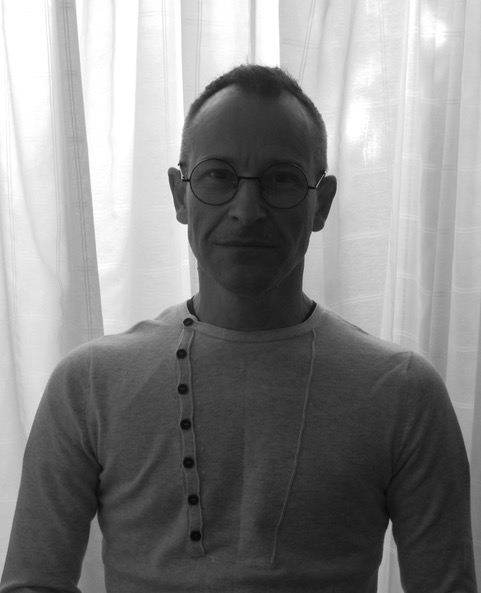
-Who is Stewart Lane?

I am a composer, musician, organisational development consultant and maker of short films. My experience as a neurodiverse person has led me to explore questions of difference, divergent perspectives and agency. Much of my practice is also informed by Cognitive Behavioural and Neuro psychologies, as a basis for exploring, through film and music, how we might attempt to understand ourselves, our actions and motivations within the context of the complex paradoxes we live on a daily basis. For me, the combination of music and the moving image are the perfect companions and collaborators to explore and express these ideas and experiences.

–What inspired you to become a filmmaker?

When I moved to London as a young man, I was introduced to the, then, many repertory cinemas; it was my first real encounter with the poetry of film. A thread that joined the likes of Marcel Carné, Clouzot, Bergman, Godard, Roeg, Tarkovsky, Jarman, Wenders were the early influencers for me. They showed me the possibilities that film making could offer beyond the realm of mainstream narratives.

-Do you think the cinema can bring a change in the society?

Navigating polarities is certainly the nature of the world we live in, and cinema expresses this like any other art or discipline; it can and has been used to influence change, broaden perspectives and excite empathy for others. Cinema can shape trends, inspire movements and bring joy to millions. Yet it can also merely be a bland displacement or distraction activity, or one which reinforces prejudices and stereotypes.

–What would you change in the world?

Change has been the prevailing theme of my professional life, both as an artist and as an organisational development consultant. In my experience, knowing how to change one’s own mind and align it with one’s passion and values could have the most demonstrative impact on the world. 
Cognitive Behavioural and Neuro psychologies are fantastic practical tools for this, while music and film are the crucible for imagining the potentials and possibilities of our future.

–Where do you see the film industry going in the next 100 years?

Although technologies will inevitably change how and where audiences participate in cinema, the power of film lies in the shared experience it provides, the beliefs and perspectives it challenges and the debates it cultivates.

“Who is God?” (EXCLUSIVE) Interview with Oscar Adan Lopez Parres

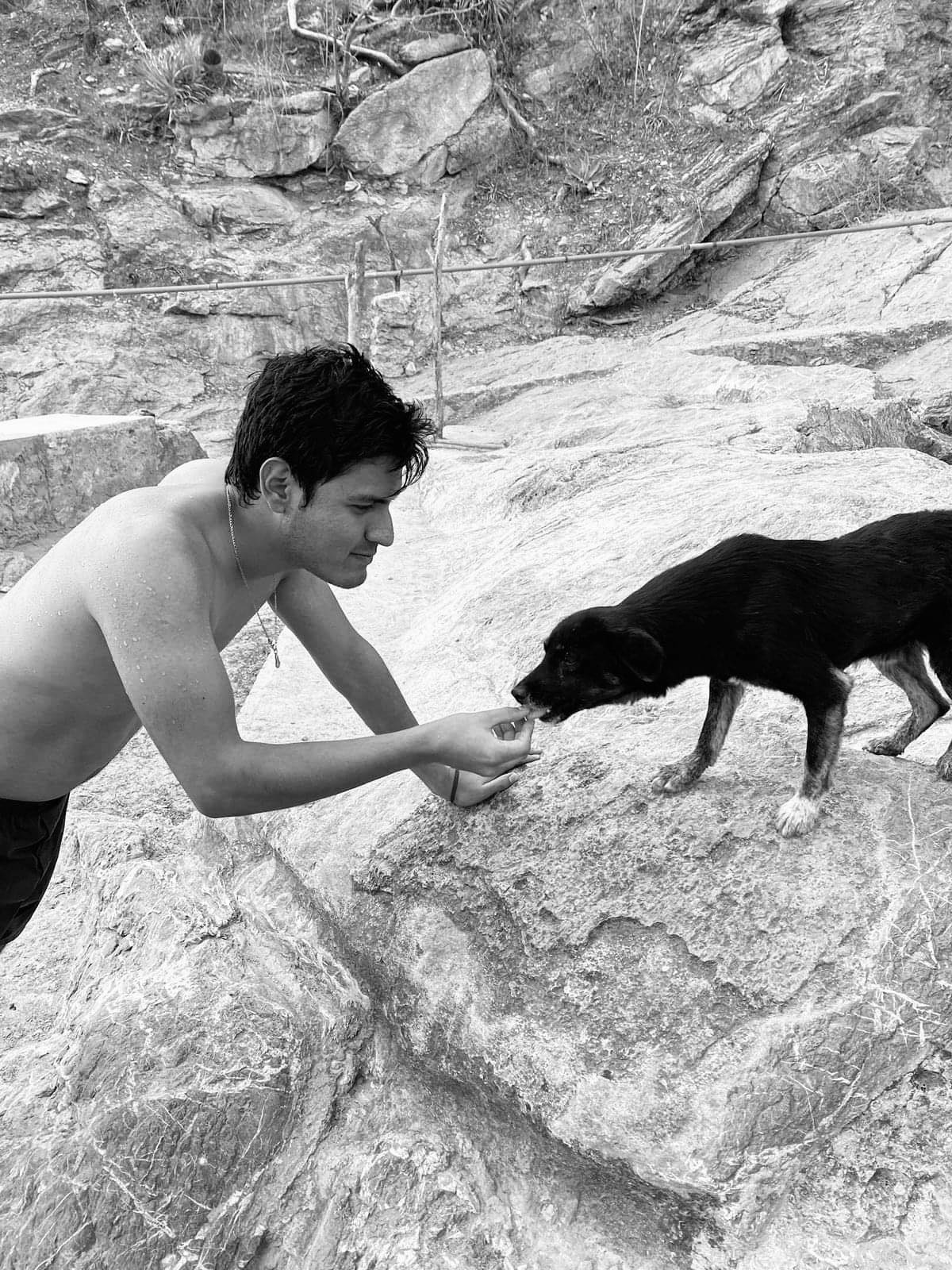
–Who is Oscar Adan Lopez Parres?

A young man with immense love for cinema, sports, and my country. With a burning desire to elevate Mexico’s name to the highest level. And revolutionize the film industry by introducing one of the first short films created with artificial intelligence.

-What inspired you to become a filmmaker?

Since I was a child, I’ve always loved movies. I appreciate every aspect, from the music to the production and visuals. I love cinema because it’s a way to convey the emotions and human feelings that characterize us as a race.

-Do you think the cinema can bring a change in the society?

Of course, I believe that cinema has transformed and changed society since its inception. It is a form of art in which directors convey their visions through films that generate emotions in the viewer and invite reflection.

-What would you change in the world?

Hatred and cancel culture. This is a phenomenon in the world that limits creativity and the art of each production. And remembering a maximum law. Treating others as I would like to be treated myself. I believe that to change the world we don’t need to do big things, but small actions that become a snowball that keeps growing more and more.

-Where do you see the film industry going in the next 100 years?

I believe that human hand and machine work together to create the best and most innovative productions that could be made in our times. My short film “Who is God?” aims to be a pioneer of this impending change. Being a short film that introduces artificial           intelligence in a friendly way and with a story that makes us reflect on the consequences of not treating this technology responsibly.

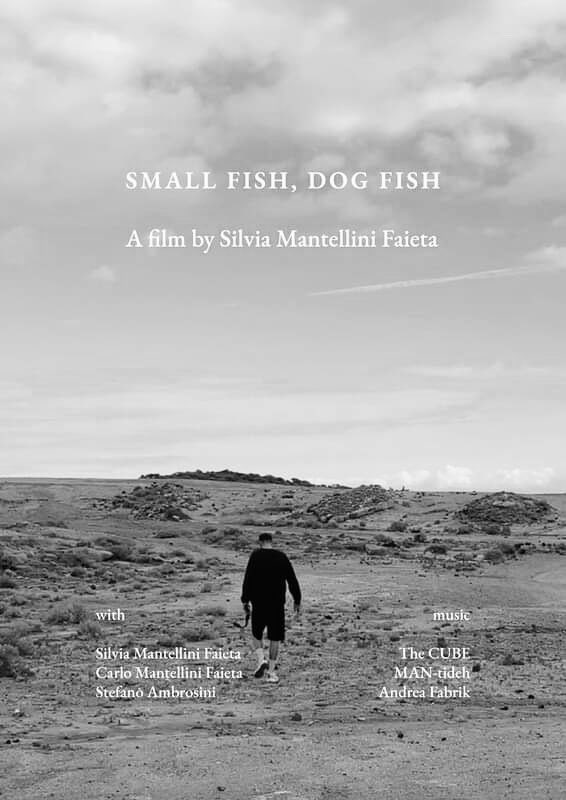
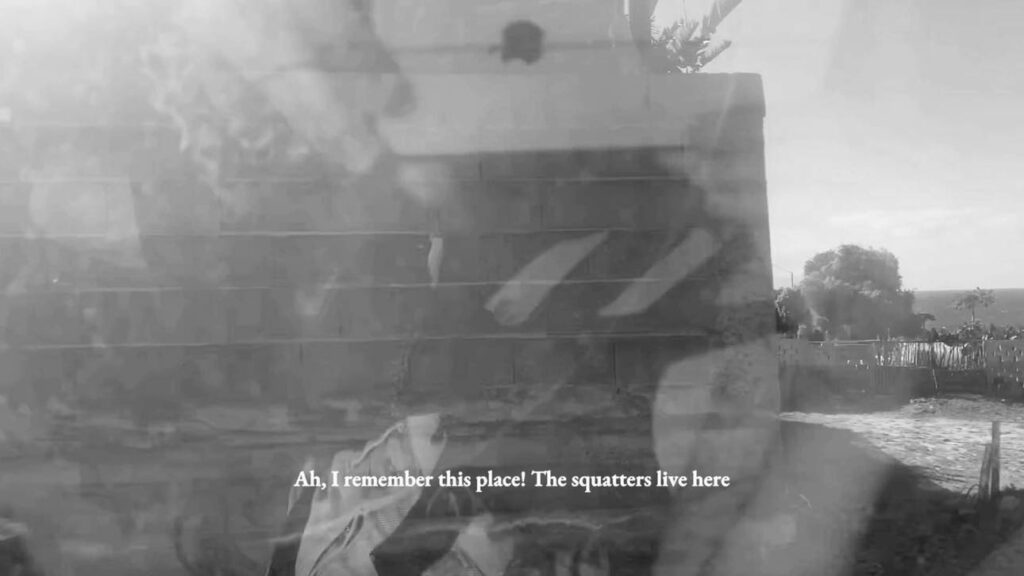
“Small Fish, Dog Fish I” (EXCLUSIVE) Interview with Silvia Mantellini Faieta

-Who is Silvia Mantellini Faieta?

I am a visual artist and filmmaker, living and working in Pescara, Italy. Involving different communities of people and embracing inner thoughts, my artistic research shows social experiences as a simple representation of the eternal changing of life in a continuous dialogue with our own spaces. Using moving images, words, and sounds and referring to specific human conditions (in choosing participants for videos and actions), this representation lets the emotional and spiritual dimensions emerge, creating a connection with the world in which we live and within us.

-What inspired you to become a filmmaker?

Creating has always been a way for me to protect myself from danger.

The reason that moves me in my research is the deep will to wonder about the importance of human connections, keeping an open state of mind to attract new experiences and relationships, sharing in the way of listening and being heard/seeing and being seen through collective eyes.

I make films to have the possibility to unify words, images, and movements, creating a connection between those elements and direct contact between me and the other.

My research started with painting, photography, and performance, but that was not enough for me. The more I practiced, the more I understood that I wanted to say, feel and give more.

Still images were not enough. I was looking for time. Well, performances are time-based, but (I apologize to all performers for saying that) those are not, as someone says, deeply connected to life: Cinema belongs to life. All other art forms are just a part of it.

Think about Parajanov, Kiarostami, Pelechian, Tarkovskij, or Bergman among others…

So, I started seeing creation as a way to live in the outer world, normalizing social patterns, wondering about what being human means, as well as being conscious, being present, and last but not least, experiencing freedom.

-Do you think the cinema can bring a change in the society?

Cinema, or better, moving images is the only way to unify our emotions and intuitions with literature, painting, photography and daily experiences.

Through moving images, we can say more than words, more than experiences, more than still images (of every nature). We are natural beings and cinema is the only way to represent our deep nature. Videos are freedom.

Being free to express ourselves reduces the need for affirmation and our survival mode. Each of us, in some way, experiences this condition: living in the run, hide, or fight mode.

If our collective and biological memory, the idea of ourselves and others, the space in which we live and aggregation rituals affect the connection between us and others, exploring cultural behavior and experimenting through art can help overcome social patterns.

Indeed, we can use words, sounds, and images as the basis of coexistence: they are fundamental to creating dialogues, sharing and progress. They are our instruments to build a society based on empathetic understanding using the first things we have since we were born: senses.

Every human being has those elements to create his reality confirming that every human is a creator, an artist.

-What would you change in the world?

Nothing that exists outside of myself. Everything happens for a reason, as a lesson to learn. Only when we stop repeating mistakes and acting with mediocrity the true essence of the world open to us. Beauty is in everything that surrounds us, but we must dream with open eyes and act with awareness in order to live with beauty. Letting go and

being open to receive is the way I live, without the need to change things we cannot control: we can only control our reactions to happenings.

-Where do you see the film industry going in the next 100 years?

There are lots of fields that are not being explored enough yet. One of those is poetry. I imagine human psychology, emotions, and poetry being explored through moving images. I imagine a throwback to our true nature: being emotional by living collectively and avoiding ego. I imagine memories, dreams, desires, and life experiences becoming the reality.

Cinema is still young and will grow in inspected ways.

“Game Over” (EXCLUSIVE) Interview with Kate Ryan

-Who is Kate Ryan?

A Midwesterner by birth and temperament but an internationalist at heart. My primary discipline is theatre which I have a master’s degree in from University of Illinois at Chicago. Acting and directing since youth, I trained with Chicago’s Steppenwolf ensemble and Moscow Art Theatre when they were in residence at my university. I also performed several one-person shows and live storytelling gigs in Chicago, Wisconsin, Indiana, and Michigan. All this led to trying my hand at moviemaking from home. Today, I repurpose commercially available film footage in small-scale montages.

-What inspired you to become a filmmaker?

During the year of quarantine, I decided to transfer my narrative skills to desktop moviemaking. I didn’t agonize over buying an expensive camera and hiring actors. I just exploited the software and creative tools that came with my computer. My micro films allow me to do a lot with a little. I gravitate to themes of social alienation and can see my “mini takes” becoming useful for classroom discourse.

-Do you think the cinema can bring a change in the society?

From day one the cinema changed society. Battleship Potemkin to Barbie, movies have always challenged society to progress. I especially like international indie films because I can count on them to let me know what’s really going on.

-What would you change in the world?

The quackery. The crass dismissal of scholarly science in favor of personal beliefs; e.g., public health and climate threats among other things. Along with that, the arbitrariness of what’s considered legal depending on wealth status.

-Where do you see the film industry going in the next 100 years?

I assume humans will be linked up neurologically to the point where filmmaking will be done mind to mind.

“Psycho X Xmas Special” (EXCLUSIVE) Interview with David Cleveland

–Who is David Cleveland?

I am an aspiring  filmmaker in love with animation! I have loved cartoons my entire life, growing up watching them on Saturday mornings. I’ve always dreamed of making my own. I have been working on my claymation for over a decade. I am also getting married in 28 days!

–What inspired you to become a filmmaker?

What inspires me to be a filmaker is the creative freedom to make your own world!  I love the process of taking an idea and bringing it to life! I have always wanted to create a cartoon around a band so that kids could have something else to imagine about other than guns or violence.

–Do you think the cinema can bring a change in the society?

Cinema can and does bring change to the world all the time!  Showing a different perspective or a new idea can open someone’s eyes and cause them to follow their dreams.

–What would you change in the world?

If I could change something about the world it would be all the violence. Erase it from our DNA where the thought does not even occur to us. 

–Where do you see the film industry going in the next 100 years?

The film industry I believe will take a leap forward with technology.  I imagine a time where you can be submersed in to the action with augmented reality or load up your favorite old movie and live it as one of the characters.

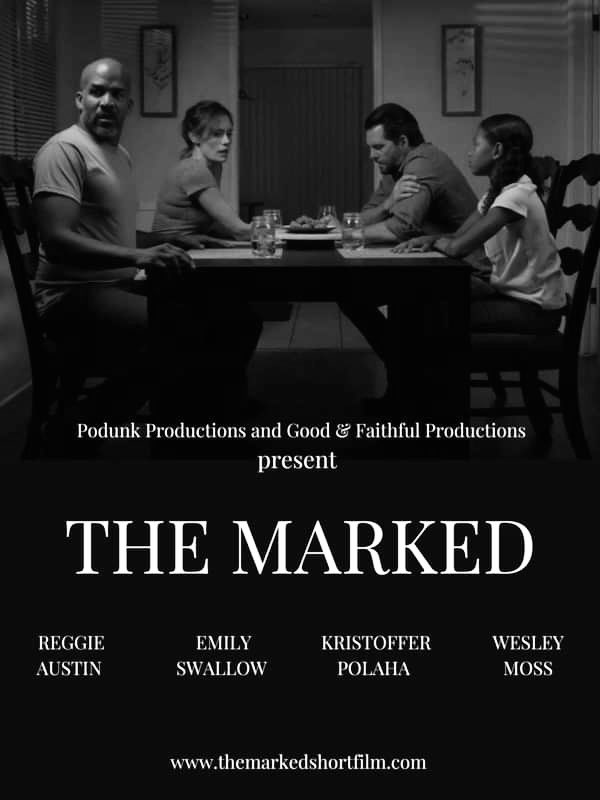
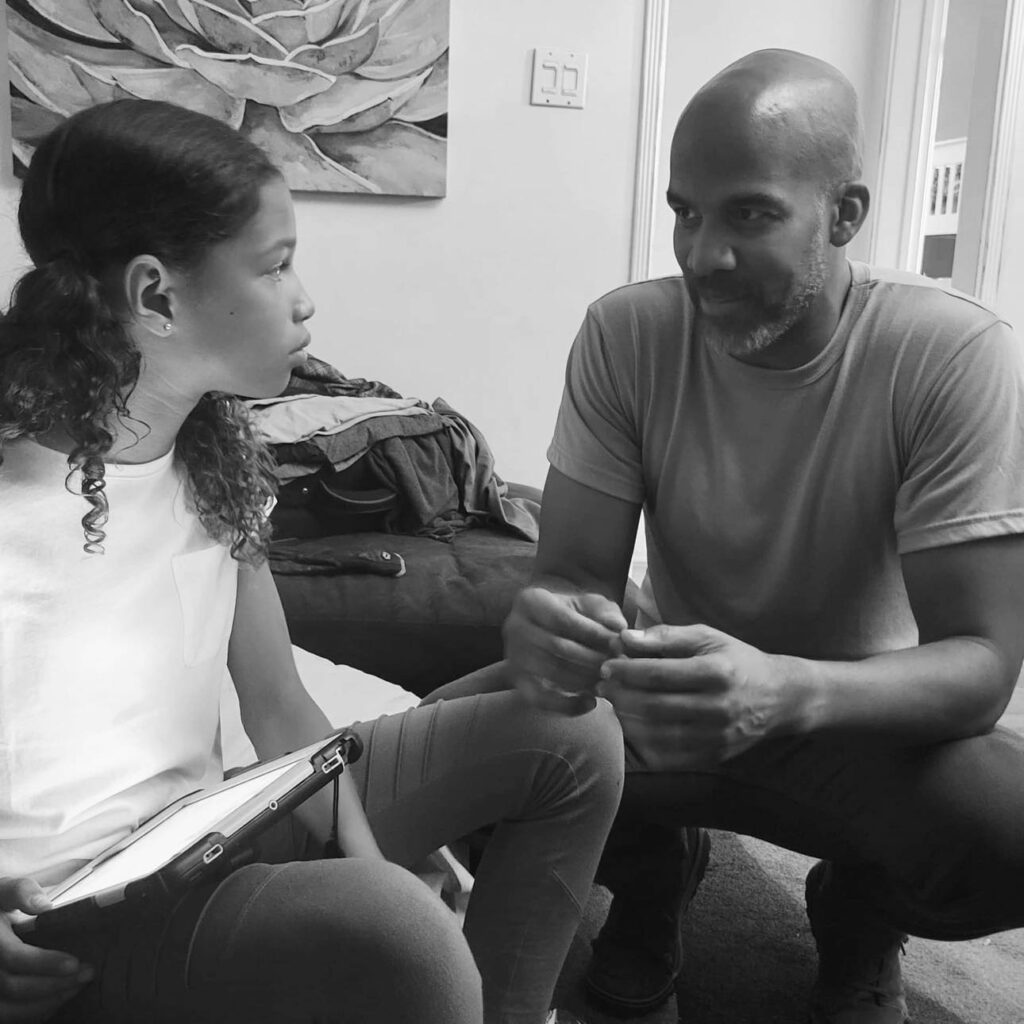
“The Marked” (EXCLUSIVE) Interview with Reggie Austin

-Who is Reggie Austin?

My name is Reggie Austin. I am the director, writer, co-producer, and lead actor of the short film, The Marked, currently making the film festival circuit (www.themarkedshortfilm.com). We’ve been fortunate so far to be included in over a dozen festivals, winning awards for Best Director, Best Ensemble, and more.

-What inspired you to become a filmmaker?  

I joined the Screen Actors Guild in 1997. I have always enjoyed telling stories. But as an actor, you’re really a gun-for-hire. You are telling someone else’s story. As a writer and/or director, there’s more ownership over the story being told. Creating a story from scratch is something I’ve wanted to do for a long time (especially directing), so when I had the idea for The Marked, I was excited to finally take the plunge.

-Do you think that cinema can bring a change in the society?  

There is something powerful about the arts. Cinema continues the grand tradition of storytelling that’s as old as humanity. Any good art points to something greater than itself, to lift our eyes to higher things and inspire change.

-What would you change in the world?  

This is a tough question because the list is so long! There are so many things that need changing. But I think the most helpful thing that I can change is me. How can I grow? How can I improve? What can I learn? I think asking these questions is probably one of the most important things a person can do.

-Where do you see the film industry going in the next 100 years?  

Well, I can’t tell the future, but when you look back on the last hundred years of film history and see the changes there, both artistically (black and white to color, silent to talking) and technologically (digital, 8K, 3D, etc.), you know that art always adjusts to the times. So, no matter what the future holds, there will always be storytelling around to document, reflect, celebrate or challenge the world around it.  

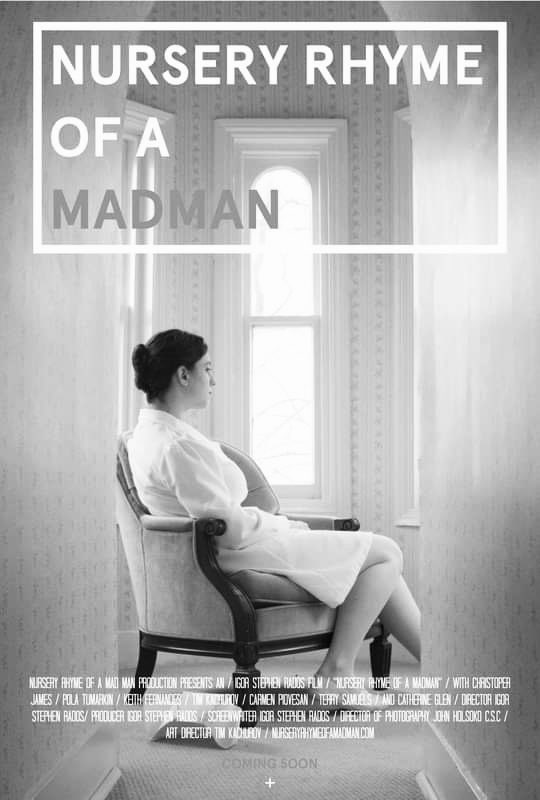
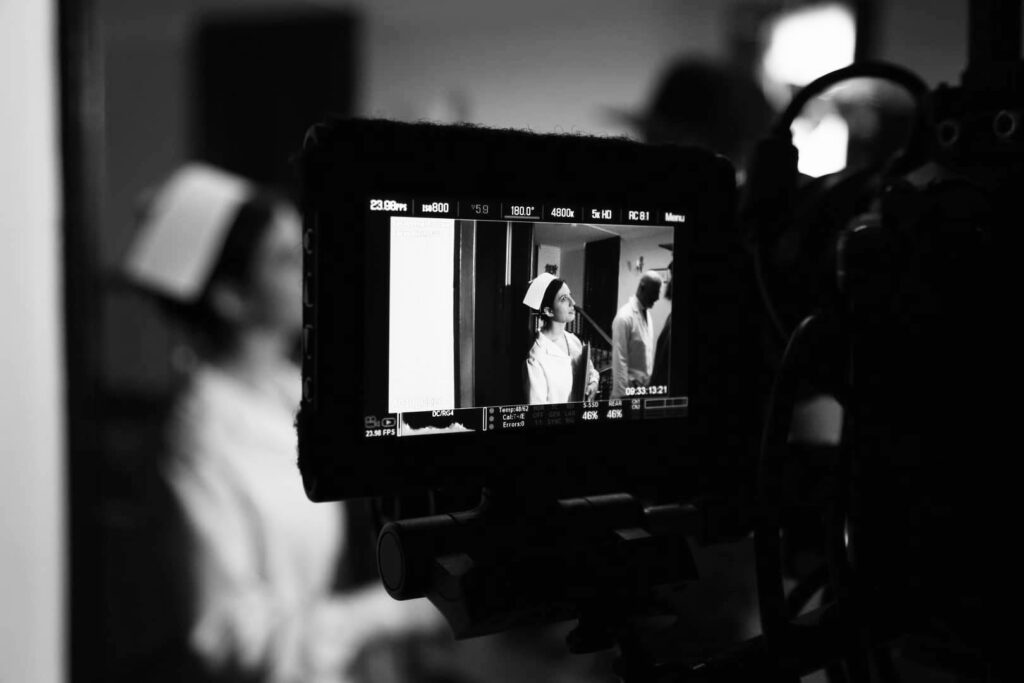
“Nursery Rhyme of a Madman” (EXCLUSIVE) Interview with Igor Stephen Rados

-Who is Igor Stephen Rados?

Igor Stephen Rados is a controversial filmmaker with a curious take on life, constantly searching for the “other side” of an eternal riddle that needs to be solved.

-What inspired you to become a filmmaker?

Not just one thing or event makes one want to become a filmmaker. Often there is a movie that triggers emotions and leaves a permanent mark on us.
At three years old, my aunt and her girlfriend took me to the theatre to watch Aldrich’s “Whatever Happened to Baby Jane.” That was back in Belgrade, where this film was a hit in the sixties. Those two ladies were sure we would be watching a sweet movie, or if not so much, I would be sleeping through the show. They were wrong. It was a dark and scary movie, and I did not blink my eye. It was in English with Serbian subtitles. I did not understand a word, but I was captivated by the visuals. Nightmares have been chasing me for years with images of a ceramic-faced doll falling out of a car by the gate. I could not understand where those pictures came from, but I started falling in love with movies. Later in my teens, I have seen Rush’s film The Stunt Man with Peter O’Toole, playing an eccentric director. At that moment, I knew I wanted to be a filmmaker.

-Can cinema bring a change in society?

Art in any form may affect us and bring change to our being. Film, in particular, delivers much information and makes quick access to our subliminal mind. We often make spontaneous moves in life, quote famous lines, and pull the story’s moral. The artist’s job is to bring profound observations to the world. It may often deviate from a shared reality; however, it must point to the untold. 

-What would you change in the world?

The world does not need to be changed. Life is beautiful the way it is. If anything, we should embrace it even more. The problem is within the people who feel entitled to change the planet or give us recipes for living. 

-Where do you see the film industry going in the next 100 years? 

Independent filmmaking become accessible more than ever with the new technology. As a response, full-budget productions become unreachable and high in cost. In analogy, we witness the corporate world taking over small boutiques and businesses. 
From a retro perspective, we had a golden era of filmmaking during the neorealism period. Filmmakers could send a word to society without being enslaved by studios and the financial system. Vittorio De Sica, and Francois Truffaut, were pioneers of the movement, and later on, John Cassavetes successfully pushed his independent carrier. 
Pulling that artistic stunt today is virtually impossible, but the world does not stop there. Devoted artists will push their projects with all they got, even a hundred years from now. 

“Haboob Wind” (EXCLUSIVE) Interview with Tommy Anderson

-Who is Tommy Anderson?

Besides being an independent filmmaker, Tommy Anderson is a multiple best-selling author and screenwriter. Tommy Anderson also enjoys his role as a motivational speaker and Host of “The Real Tommy Unleashed” on the IQ Podcast Network in San Diego and streamed over 10 stations. For example Tommy’s show is heard on multiple streaming platforms, Itunes, iHeart, Spotify, Apple Play, and more.

An accomplished screenwriter he has written and is a Producer on the award winning short film “Life After Oblivion,”, based on his award winning adapted screenplay.  Tommy’s first feature film screenplay PTSD-A soldier’s Revenge is currently in production by Panther Trail Films – Hollywood.

Tommy also received his first directing credit on the pilot series “The Tale of Richard Pic”. Since then Tommy has directed and produced several award winning short films. In addition, Tommy is also routinely cast as an actor in commercials, television, and film.

Tommy is a founding member of VetPics Film Productions in San Diego, California.  This is an all-veteran independent film production company which produced “Life after Oblivion.” Most recently Tommy was seen as the face of the national Spotify commercial as the man with the dancing dog.

His best-selling novel Haboob Wind is now a screenplay, and recently won Best International Screenwriter by 8.5 Film Awards. and his new novel Two Million Steps was released in March of 2021 and went to Best Seller on Amazon in two weeks. Tommy has recently adapted this to a feature screenplay and in addition Tommy has written another feature screenplay called “The Flight of the Deborah K”.

Before moving to the Los Angeles area, Tommy lived in Madison Wisconsin and had a full career as a firefighter/medic with the Madison Fire Department and later retired from the U.S. Air Force Air National Guard. Tommy is a member of various organizations, including the Hollywood American Legion Post 43, Veterans in Media and Entertainment, the U.S. Press Association, and has served as a photojournalist for ABC7LA News along with being a member of the California American Legion Press Association.

-What inspired you to become a filmmaker?

The transition to filmmaker didn’t come overnight. After I left the fire department I went into professional photography and worked as a freelance photojournalist. After working on several events in the Los Angeles and Hollywood area I was asked if I could do production photography and I did while I also did photography for ABCLA TV news.  While doing this I wrote several books in addition to several published magazine articles. There was interest in my first best selling novel “Haboob Wind” and I was told it should be a screenplay. I completed that and several others and have been pitching them. The screenplay that I had written was called PTSD a Soldiers Revenge. It should be wrapping soon and I had a small role in the film. I was contacted by a talent agency in LA who wanted to sign me and as a result I was cast in several television shows, films, and commercials. This was a constant progression of advancement through the ranks, and relationships that I had forged in the industry.

-Do you think the cinema can bring a change in society?

I believe film has always connected people, given an escape into fantasy for some, pushed social change, and there is nothing like a good drama. I believe with all the tensions in the world this is the one medium everyone can enjoy and with that develop better relationships between strangers.

-What would you change in the world?

If I could accomplish anything I would eliminate the negative feelings towards individuals and others that social media does create. Social media, once a promising form of research and communications, has been so abused by some it truly threatens our creative mission.

-Where do you see the film industry going in the next 100 years?

I wish I could say, I feel the rise of AI could cause the destruction of the thing we love, films, if not regulated responsibly. There is a great fear that AI could replace actors with computer generated stars of yesteryears and eliminate roles for current actors. AI threatens those of us who are also creative and write the screenplays for a film. AI itself has no heart, empathy, or caring to fully express those characters into an audition. We really need to stay on top of this.