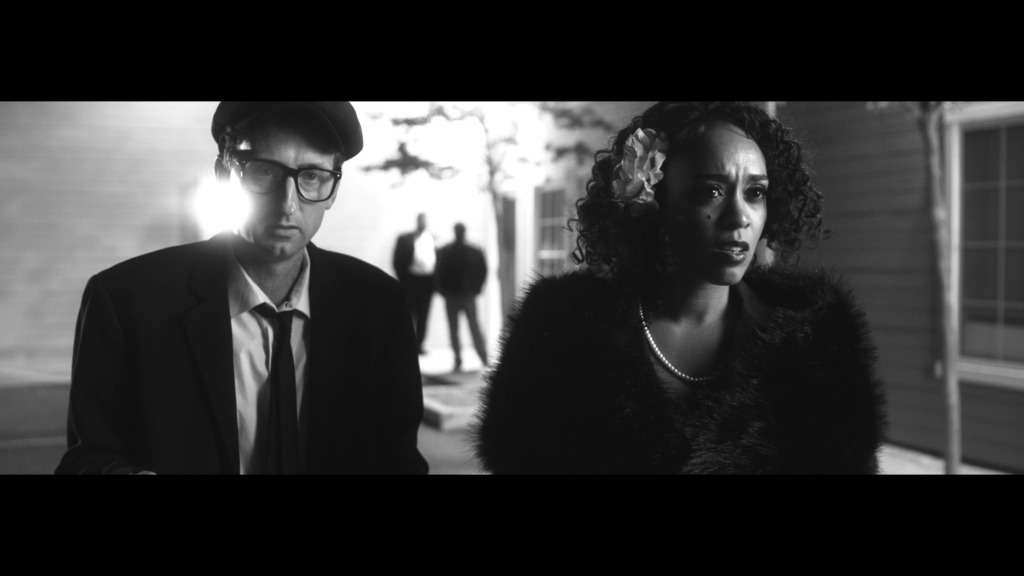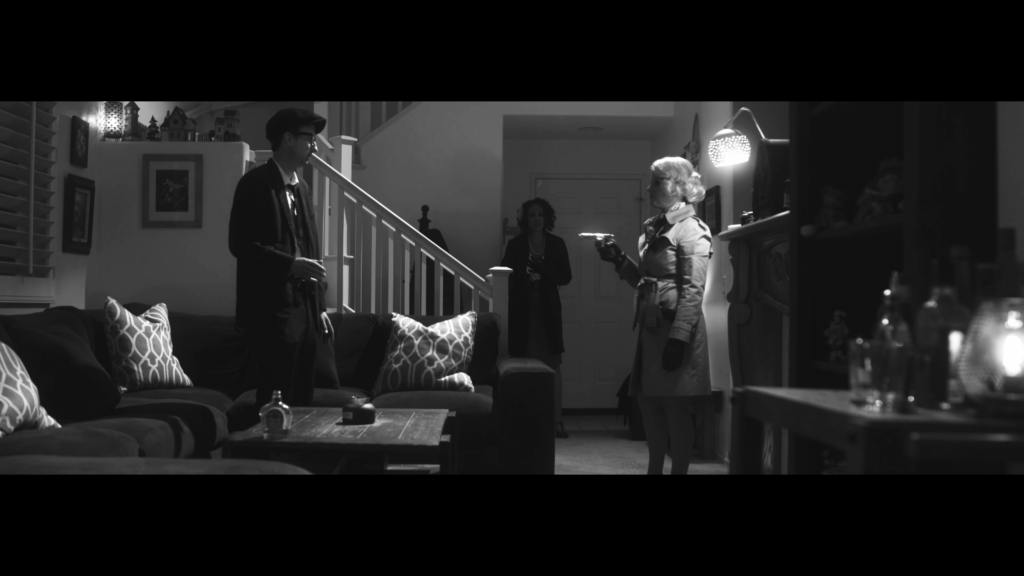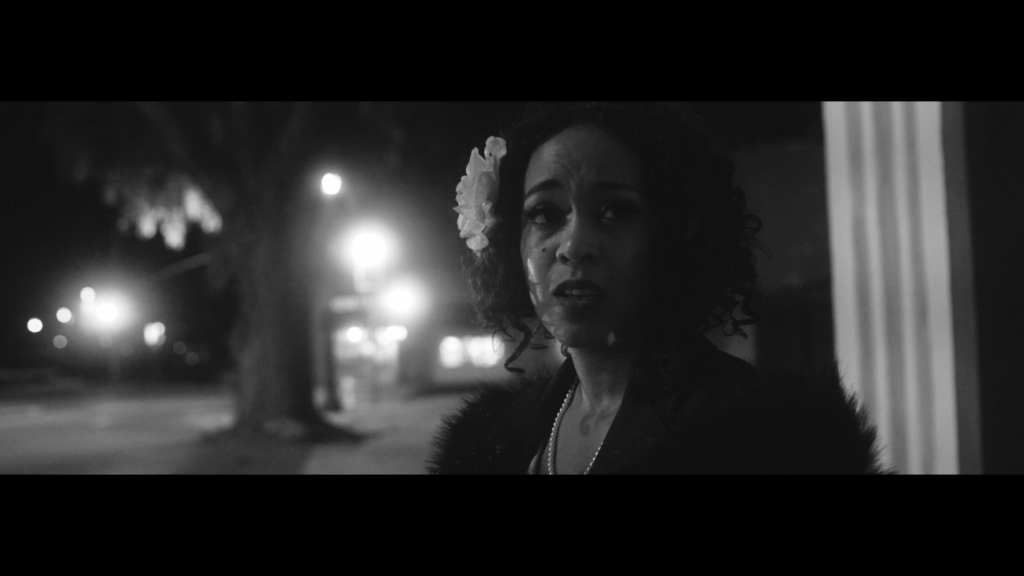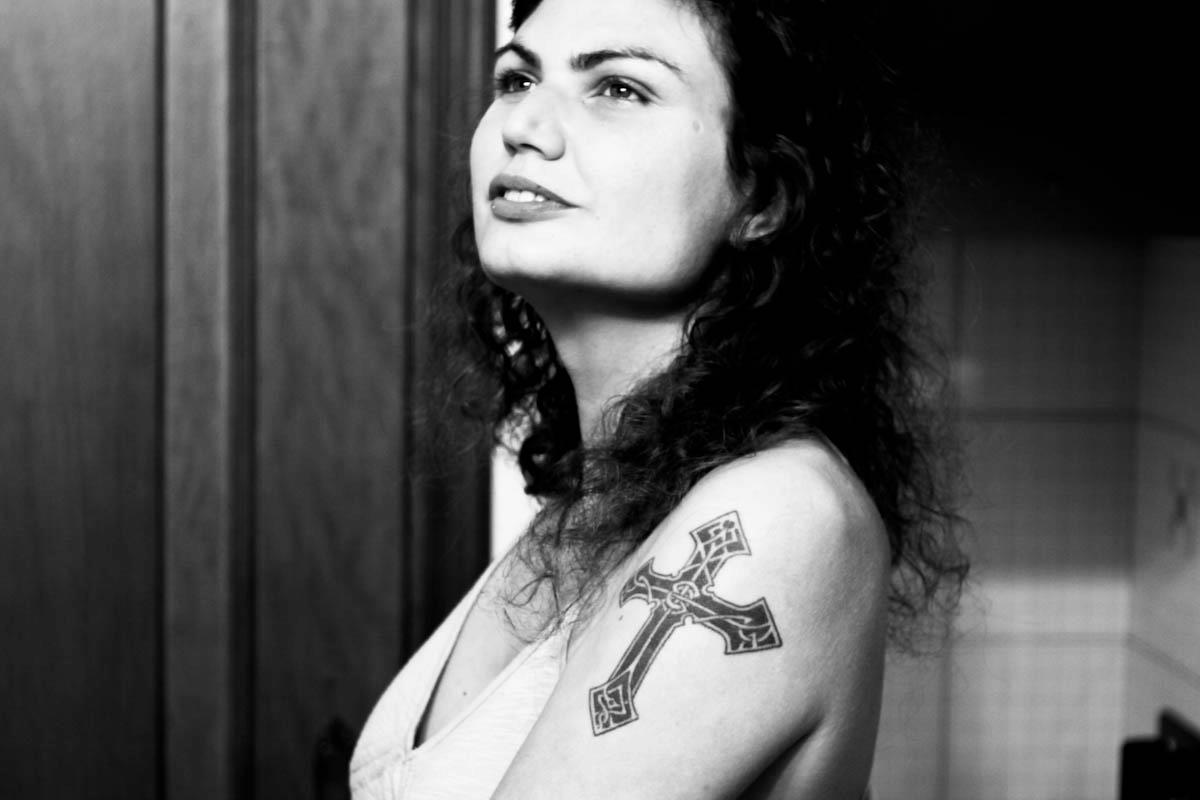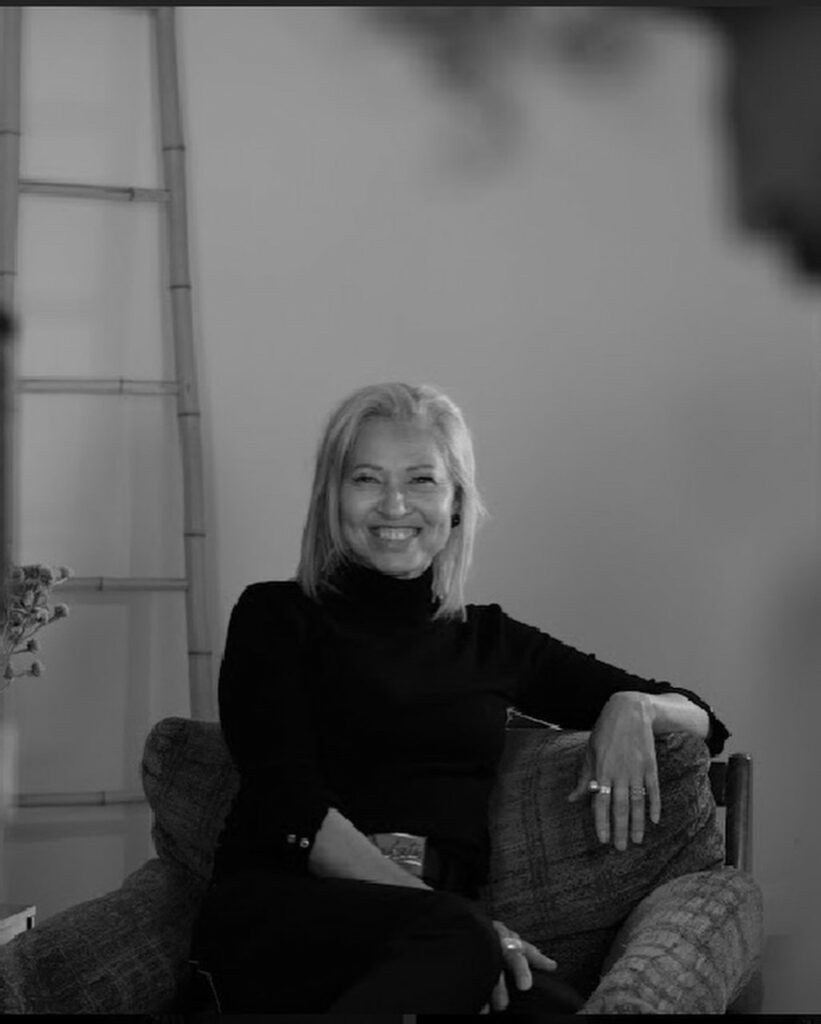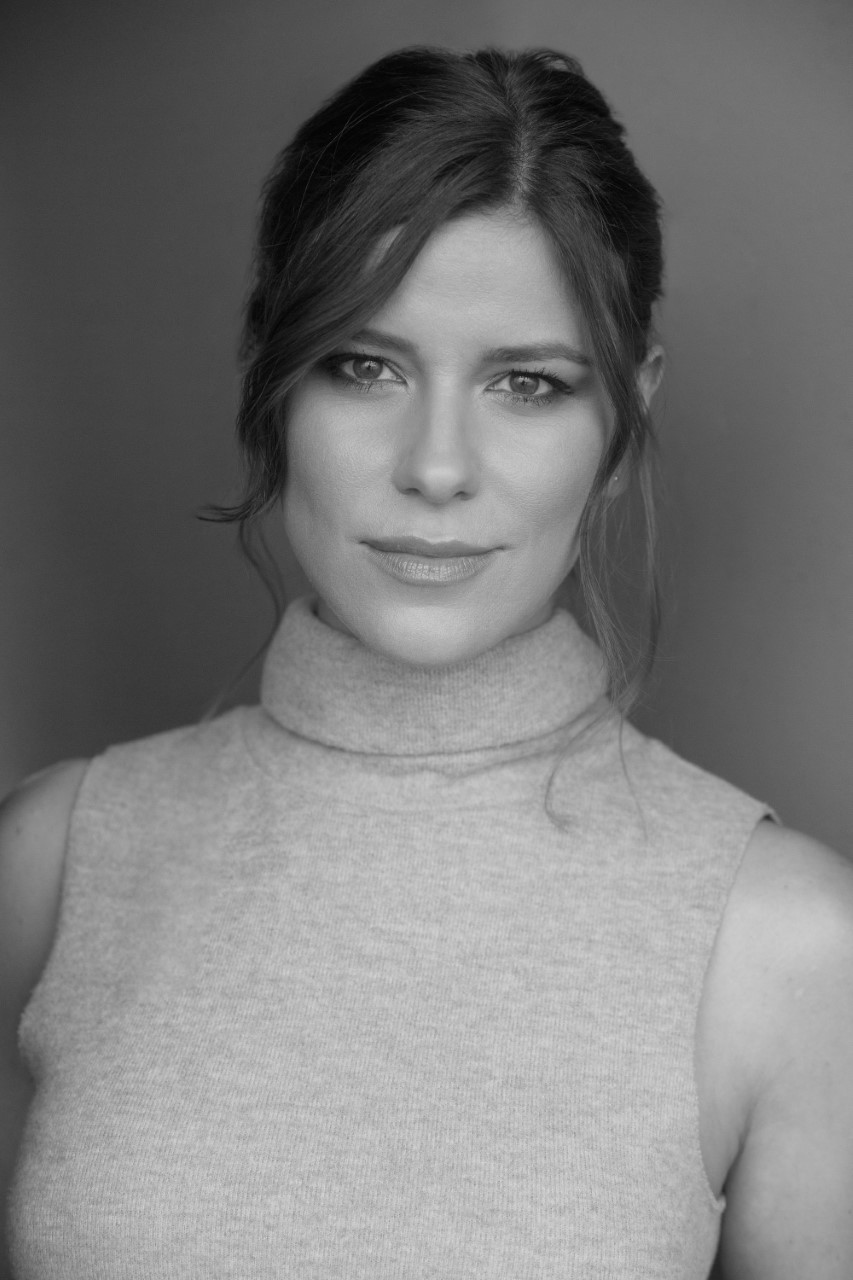
“We need a less selfish society with more Empathy and Love.” (EXCLUSIVE) Interview with Fernanda Peviani

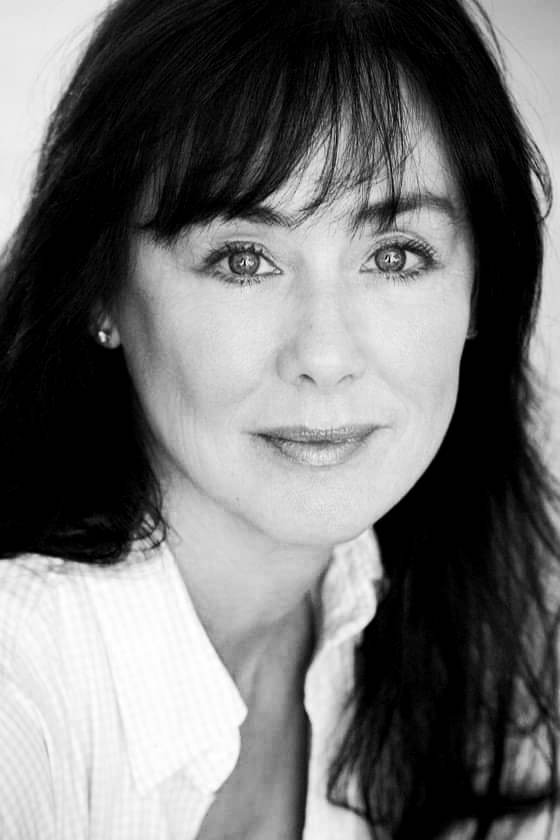
Who is Fernanda Peviani?

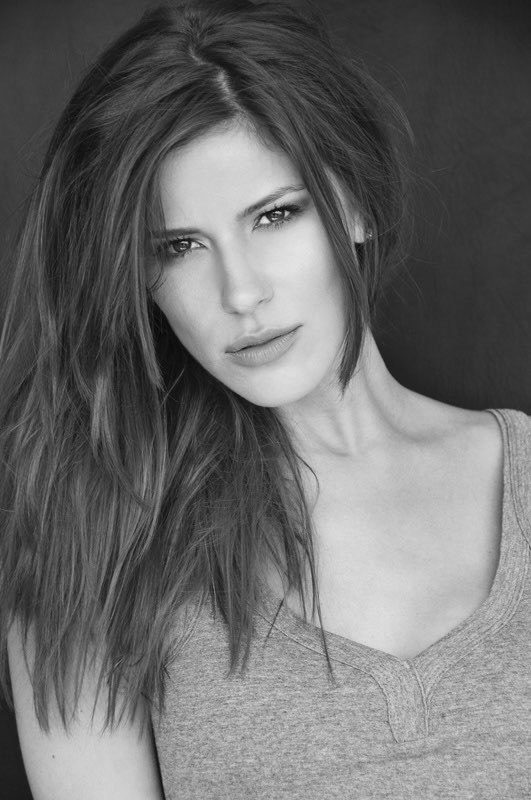
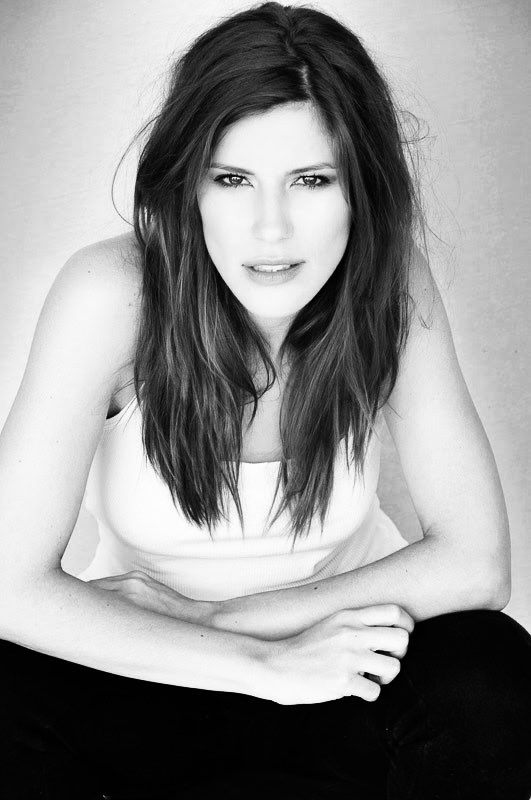
I am a Brazilian actor and voice-over artist. In my teens, I fell in love with art and took acting and music courses. During my trajectory, I got involved with many bands, firstly as a keyboardist and then as a lead singer, from reggae to jazz and rock bands. 

As an actor, my foundation course was theatre at Fundação das Artes, em São Caetano do Sul, a place that gave me all my base in acting. I starred in a few short films, and in 2011 it was my debut in a feature film, a horror mockumentary directed by David Schürmann. 

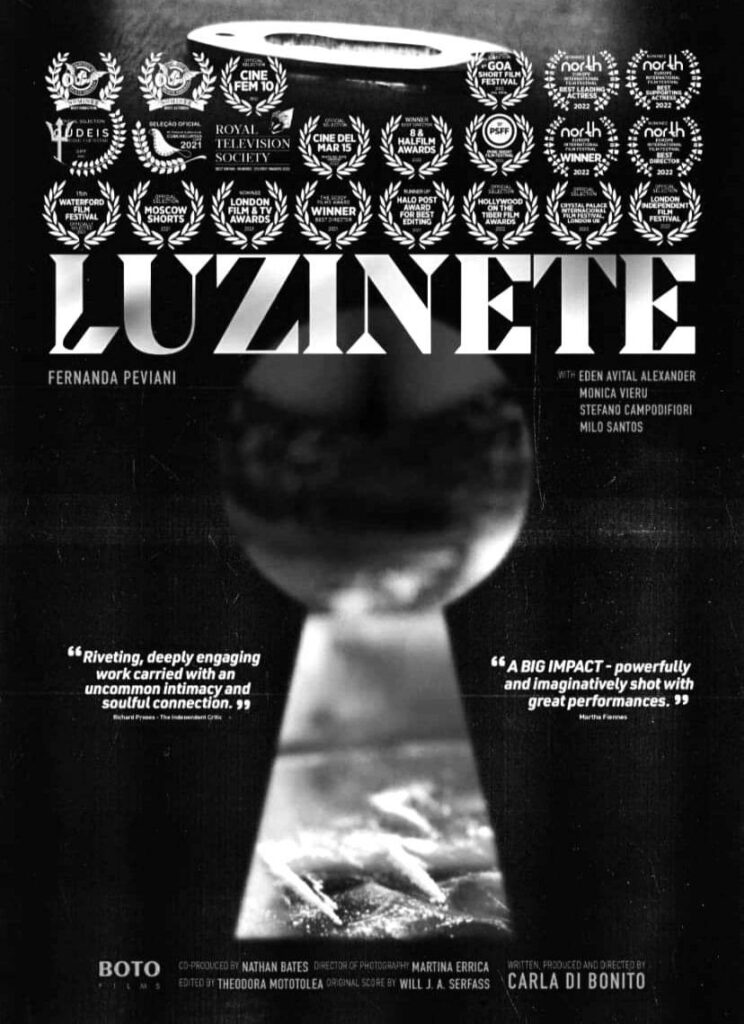
I worked for many years as a model and did many TV commercials in Brazil. A few years later, my acting career was slow, I felt unmotivated, and I received an invitation to participate in the feature film Elis, which tells the story of the Brazilian singer Elis Regina, directed by Hugo Prata. The role was small, but it was enough to motivate me again and see that I belonged there. In the meantime, I started working with voice-over, one of my passions, because I always liked working with my voice. A few years passed, and in 2019 I fulfilled an old dream of coming to live in England. Upon arriving here, I faced the difficulties of adapting and also of the language. I came across a massive cinema industry and starred in a short film a few months after arriving from Brazil. Then we had the pandemic, and during that difficult time, I had the opportunity to play the lead role in Luzinete, a film directed by Carla Di Bonito in which I won two awards as best actress by the 8 & Halfilm Awards and by the Naples Film Awards.
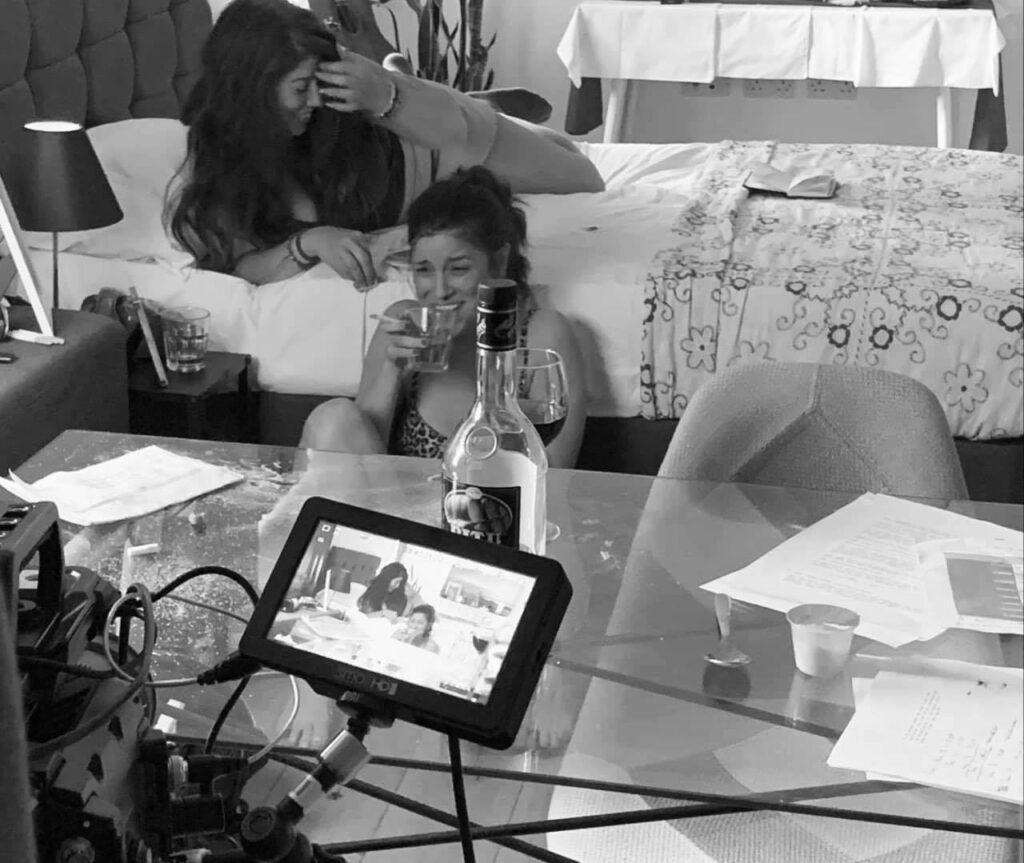
– What inspired you to become an actress?

I love films since I was little, and I wanted to be inside them as if the story were real. At that time, having access to films was restricted. I would rewatch the same movie many times, and it would take me to another world. I always said I wanted to be an actor, and at age twelve, I participated in my first short film, Um Jeca em Atibaia, directed by Sergio Concílio. This short film was essential to making me passionate about making cinema. Today I still feel the same passion as when I was a kid.
Do you think the cinema can bring a change in society?

Absolutely. Films bring questions, points of view, imagination, and inspiration and can change many lives, make people relate to that story, heal emotional problems, and bring moments of fun and relaxation. Movies inspire society, and society inspires movies, in a cycle that never ends. The magic of cinema, of make-believe, in which we all connect, is unique.

-What would you change in the world?

I think money disturbs society, and everything revolves around it. We end up hurting each other because of this race for money and power. We also have a very shallow relationship with nature and natural resources, and we damage it immensely without measuring the consequences; also, the information about it is scarce because there is a lot of money involved in exploitation. Having said that, if I could change, I would take money and power out of existence. We need a less selfish society with more empathy and love.
Where do you see the film industry in the next 100 years?

I don’t have a clue, but I am sure it will be much better than my imagination can think. I never imagined as a child having streaming platforms, for example, and that was an evolution for the whole area, but I am sure it will get better. Who would have thought 100 years ago that we would have made it this far? It was so difficult to make movies, and extremely expensive, and yet they managed to make loads of them. Today we have advanced a lot, we have changed the whole way of making films, and ways of acting, and we have a thousand technologies. Those who make movies do it for love, to leave something that will stay in history forever, and this is beautiful!
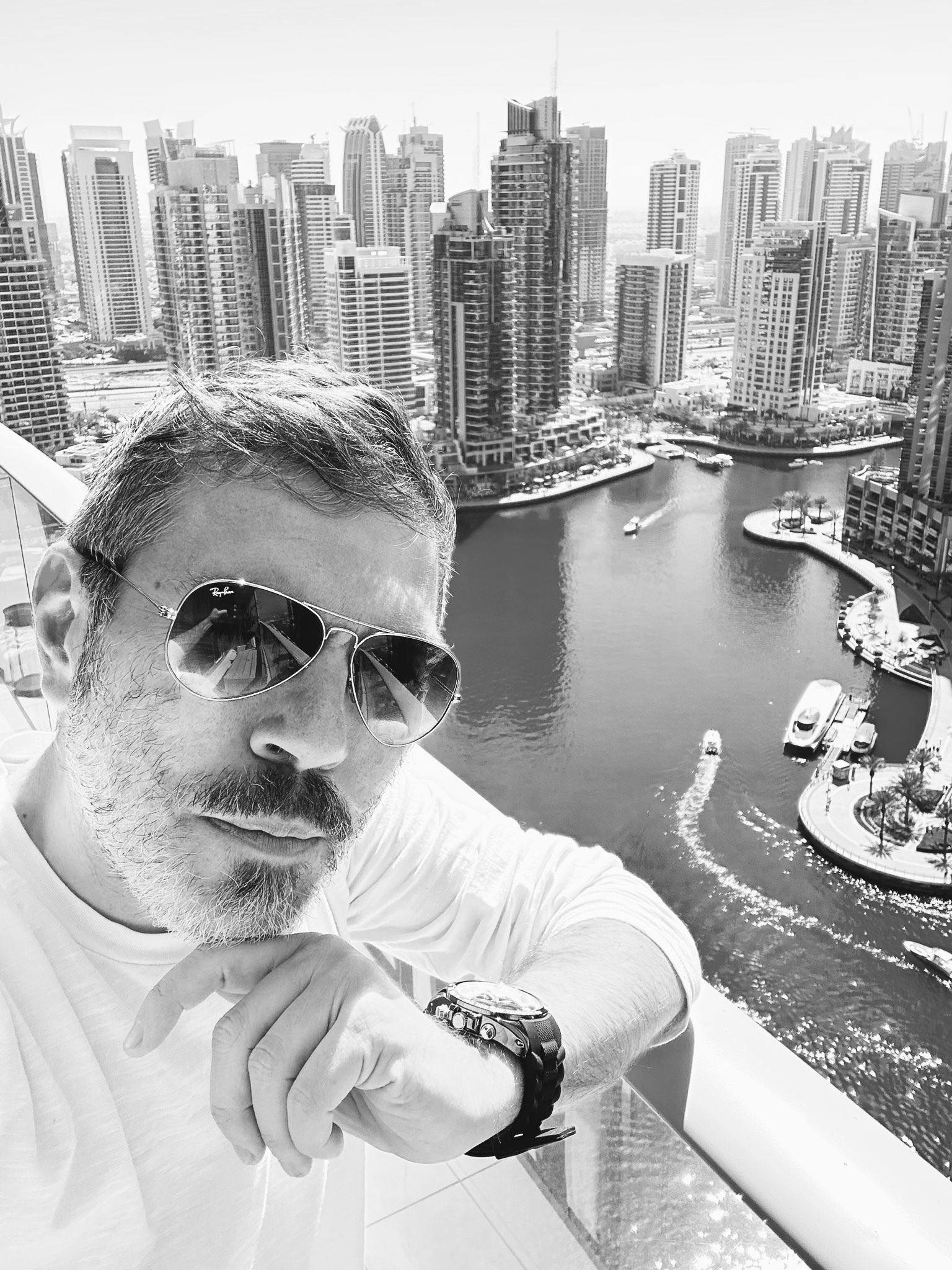
“Great success for the 8 & Halfilm Awards in Dubai.” (EXCLUSIVE) by Michele Diomà

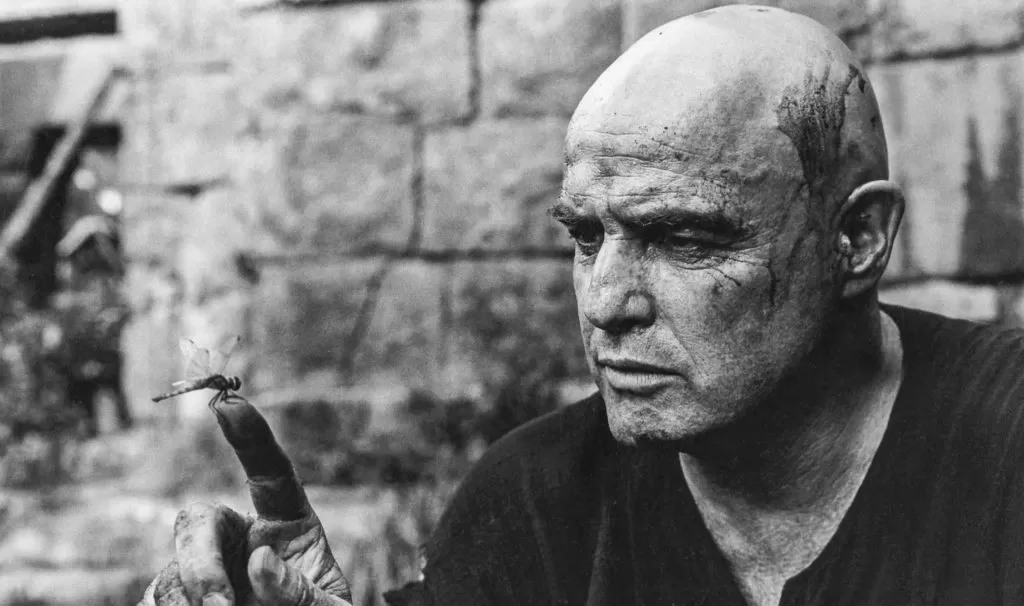
There are works in the career of a human being that change his life forever. Those works mark a before and an after. Marlon Brando was no longer just an actor after being Colonel Kurtz in Apocalypse Now in 1979. His image became immortal, like a character in a painting by Caravaggio.

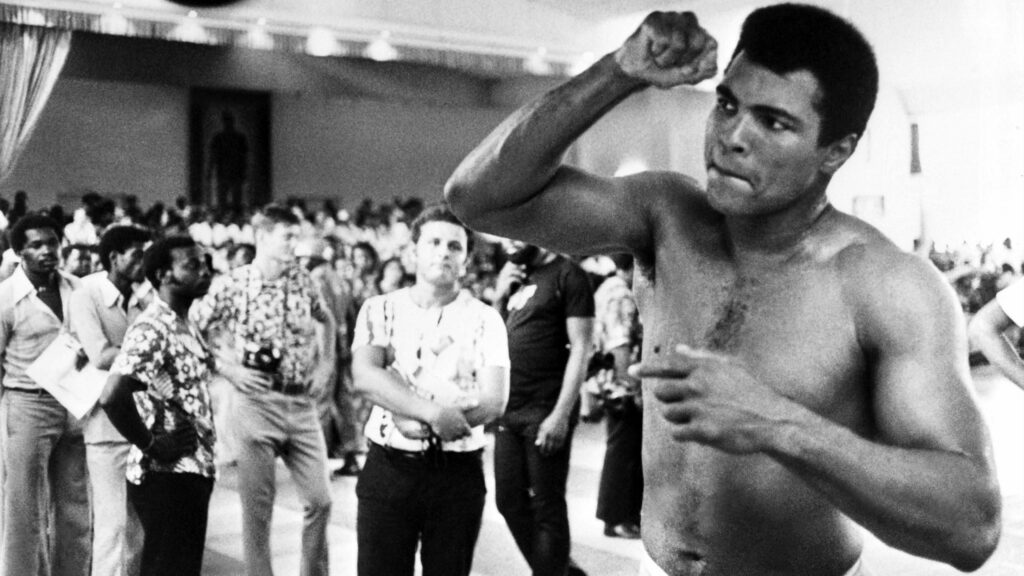
We can say the same thing about Muhammad Ali, who entered history with the title “The Rumble in the Jungle” after the match held on October 30th, 1974, in Kinshasa, Zaire (now known as the Democratic Republic of the Congo). That night Ali became a legend.

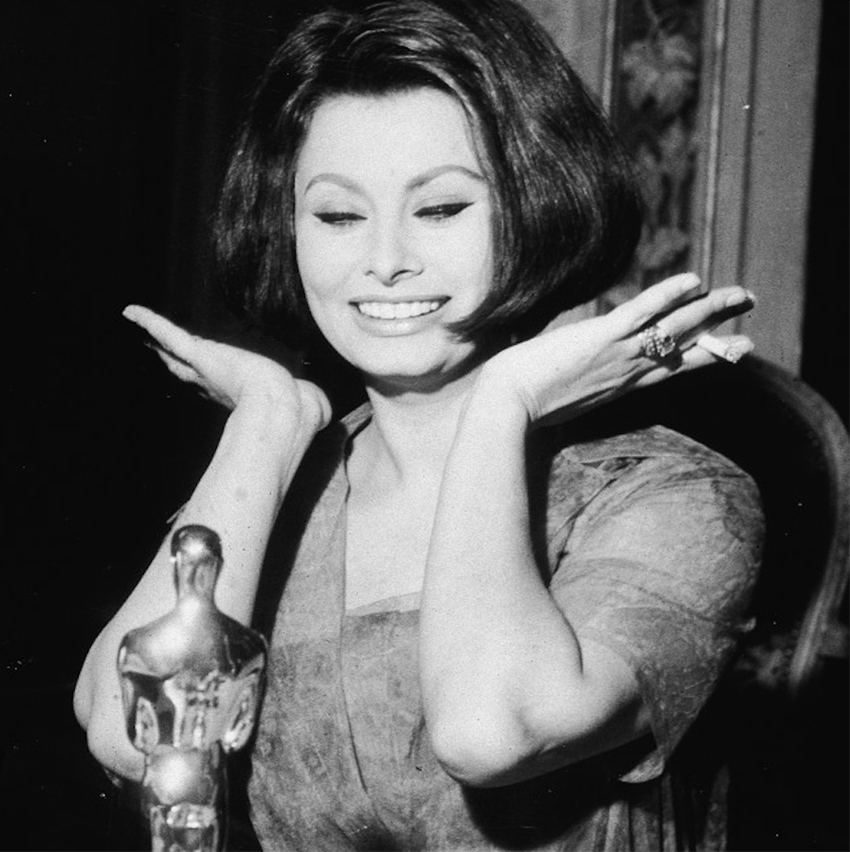
It was no different for Sofia Loren when she won the Oscar for her starring role in ‘La Ciociara’ directed by Vittorio De Sica, in 1962. From that day, she was no longer an actress but the symbol of a historical era trying to redeem itself after the sufferings of World War II.

I wanted to remember the story of these great personalities because February 2023 was a month that could definitely change independent cinema forever.

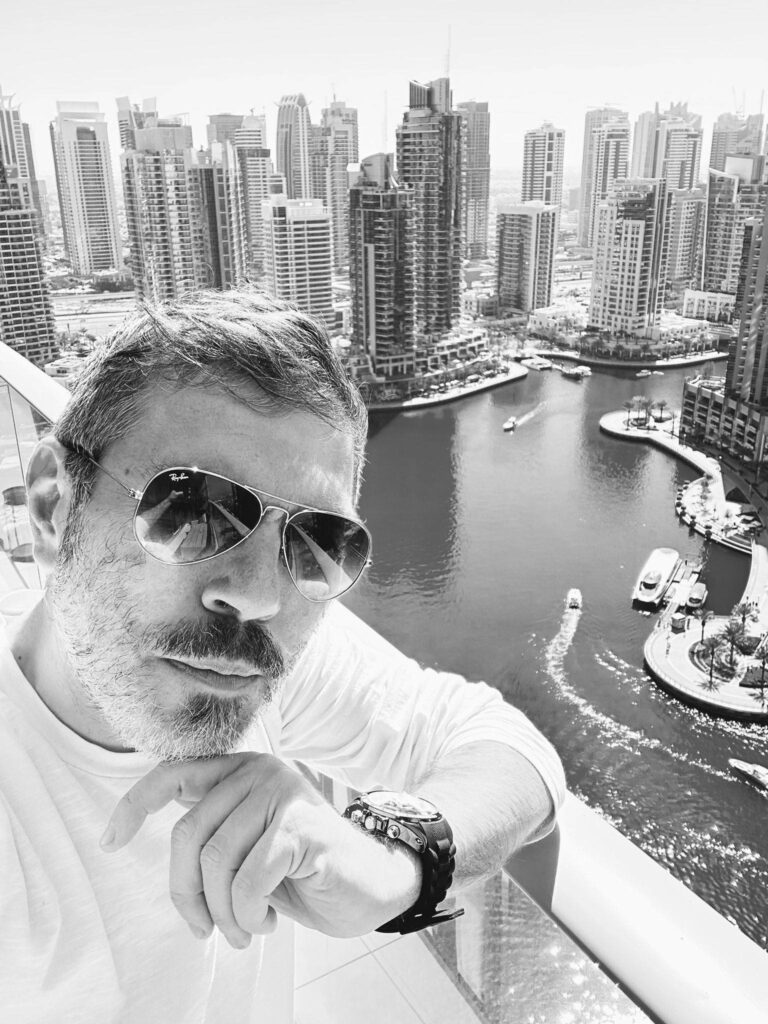
The 8 & Halfilm Awards and the special Event in Dubai reached a milestone unthinkable until a few years ago. It confirms that cinema can be an art form even if produced outside the Studios or the big Major Companies. With a Community of over 10,000 Filmmakers, Screenwriters, Actors, Cinematographers, Producers, etc. The 8 & Halfilm Awards has become one of the world leading independent film festivals.

The credit of this success goes to the enthusiasm of the team that in 2017 designed a festival dedicated to Federico Fellini. But the real protagonists of this victory are the artists who have believed in us.

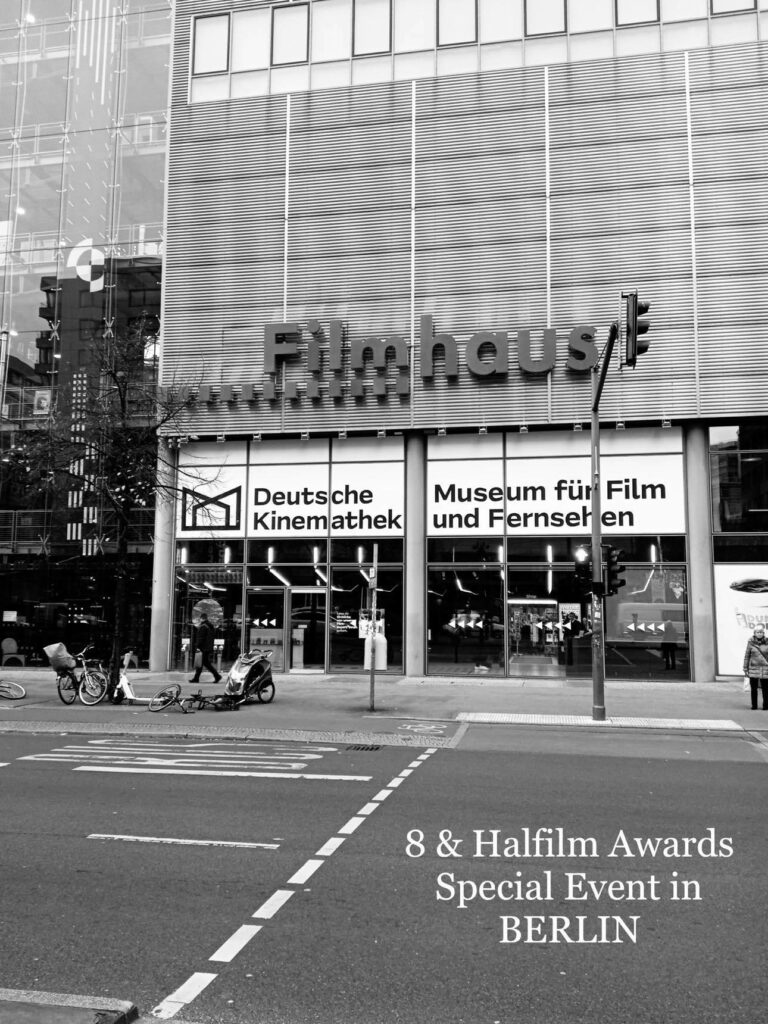
After the success in Dubai we are pleased to announce that we will soon bring your work to Berlin in a new Special Event of the 8 & Halfilm Awards.

A Long live the imagination and the artists who express it freely.

Thank you so much:

Whitney Hamilton

Terry Podnar

Theo Eifrig

Jan Schmicker

Silvano Perozic

 Michael John Chase

 Andrew Winegarner

Camille DeBiase

Michelle Lynn

 Mark Stas

 Artie Romero

 Edward Holub

 Kathleen Renee Krenitsky

 Russell Emanuel

Jaymz Bee

Aleš Urbanczik

Grzegorz Oleksa

Matthew Toffolo

Pamela Perry Goulardt

Rosie Malek-Yonan

Monica Malek-Yonan

Abraham Lopez

Shihyun Wang

Bruce Robert Notman

Michael B. MacDonald

 Joe Boi

Dan Burle

Zsolt Pozsgai

Eissa Annam

Milind R Lanjewar

Andrea Jean Plamondon

Merli V. Guerra

Ryan Chong-Huang

James Matthew Storm

Jim Norman

Giacomo Giammatteo

Jamie Sutliff

Phil Kwarta

Rich Henkels

Paul Schwartz

Irénée Rostan

Harold L. Brown

John Michael Castagna

Nicolas Maffre

Joseph Stephen Meadows

Joe Territo

Kostiantyn Mishchenko

Matt Elliott

John Alden

Ryosuke Handa

Eugene E~NRG

Rock Wilk

Mark Gould

Gina Cunningham

Walid Salhab

Nick Muhlbach

Troubadour Films

Carla Di Bonito

Fernanda Peviani

Simon James Blackburn

Robert Arnold Coles

Bartley McSwine

Bruce Hickey

Casey Mensing

Ken Kimmelman

Mick Carlon

Jay Pennington

Gerry Olert

Katy Chance

Dylan Brody

Marwah Ghazi

Jacek Krawczyk

Jeremy Stork

Zeff Lawless

Andrew Kopacz

Miguel Raymond

Aaron J Falvey

Tony Villani

Alessandro Della Villa

 Alessandro Moscatt

Atsuhiko Watanabe

Moreno Fuentes

Colin Denhart

Negash Abdurahman

Andrew Cahill-Lloyd

Alain Rimbert

James Thomas

Danny Manor –

Takaaki Watanabe

Brian Whisenant

Joe Starzyk

Paula Rossman

Jean-François Boydens

Frank Lehmann

Emilie Nyman

Ola Wallinder

Laura Burnett

María Yolanda Brown Melián

Kevin Ramos Fernández

Gary Beeber

Michael Lasoff

David Adamko

A.P. Gonzalez

Mireille Fiévet

Damian Matyasik

Urszula Nawrot

Patricia Coates

Avery Fane

Thomas Ma

Laurence Fortin Gagnon

Pat Mitchell

Tatiana Edel

Shamil Yaveroghlu Aliyev

Tom S Taylor

Joergen Erik Assentoft

John Handem Piette

Laurent Combaz

Slawek Zalewski

Jeffrey Richards

Joseph Anthony Francis

Charlotte Brown

Lara St John

Nils Agdler

Vasco Diogo

Daniel Patrick Basso Quinn

Rosa Coutinho Cabral

Henk Pringels

Peter Gartner 

Johnny Vonneumann

Tom Gruenberg

Frances Barth

Jose Domingo

Emiliano Leone

Brandon Bruce Olivaux

Haris Samar

Emma Balcazar

Courtney Adkisson

Daniel Vossen

Kathy Moore

Tyler Waters

Shelley Brzak

 Rupal Ginoya

Lisa Gray

Isaac Lawrence

Silvano Plank

Marty Roberts

Jimmy Womble

Stefan Teofilovic

Cat White

Phoebe Torrance

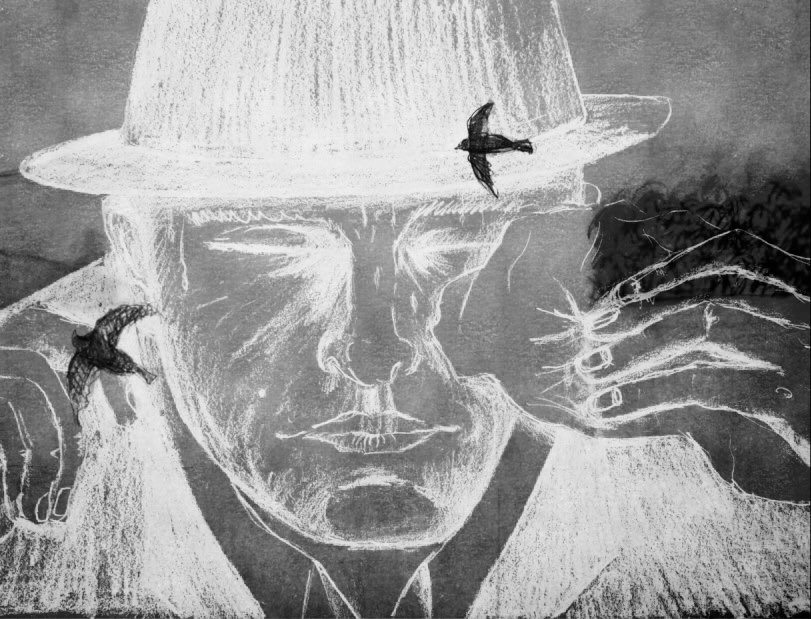
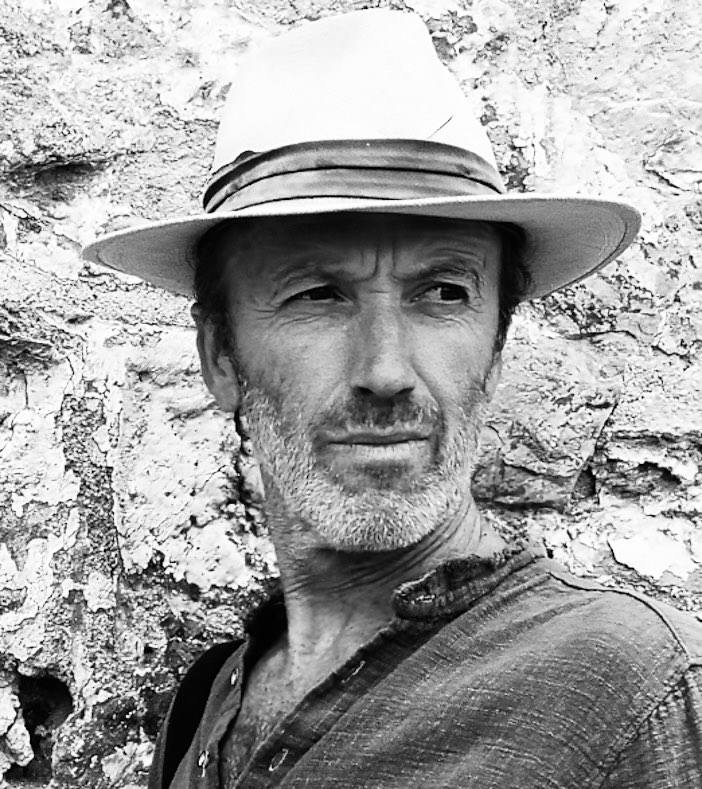
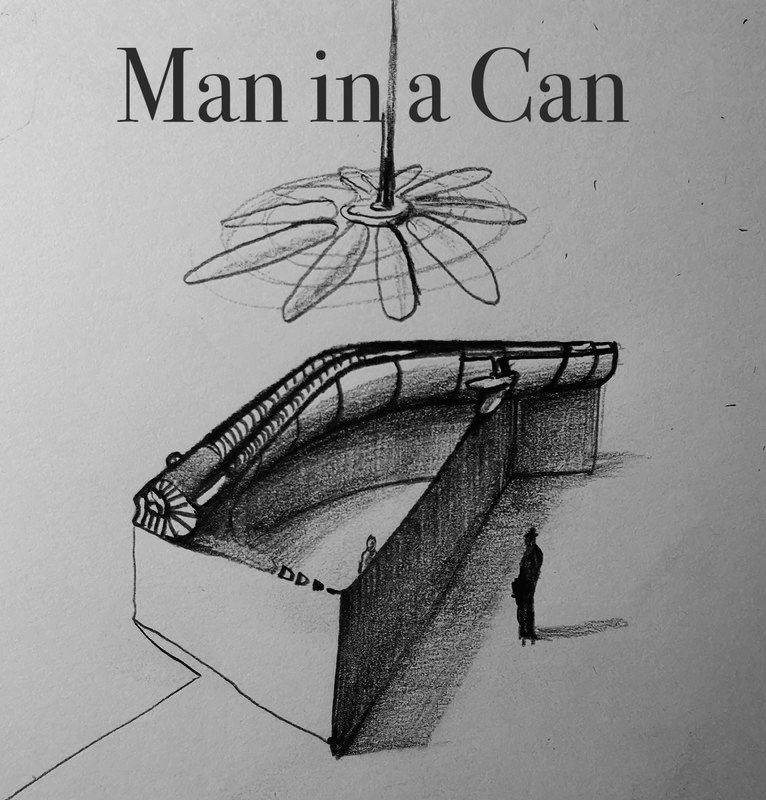
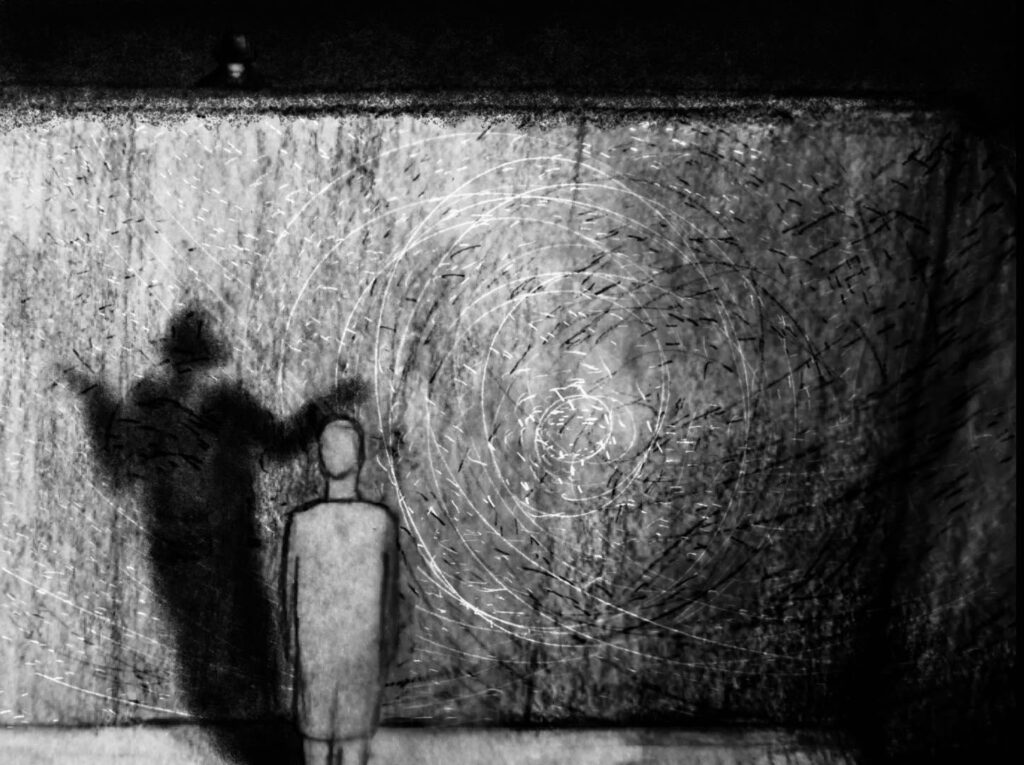
“Man in a Can” (EXCLUSIVE) Interview with Henk Pringels

-Who is Henk Pringels?

I studied languages and theatre sciences at the Gent University in Flanders. I was a theatre critic for the Belgian Broadcasting Company for some years, before I started writing theatre plays myself. In the meantime, I continued doing what I had been doing since I first saw the daylight: drawing (and painting). In another meantime, I started my ‘singing career’; educated as a classic singer, I sang with a lot of ensembles in Belgium. Some time ago I added my fascination for jazz and close harmony singing (with my band “The Great Petenders”, haha).

So, drawing, painting, singing, theatre. And apart from that: dancing tango, traveling, italophily…

-What inspired you to become a filmmaker?

Some years ago, I met a woman who had just finished a short animated clip. I was preparing – as a theatre director – the scenography for a music theatre production and I had been thinking of using an animation film for that purpose. The woman somehow introduced me in the wonderful world of animation. Then came Covid. Just before the premiere of an opera production, the world locked down. Everything went silent. I took my pencils and started drawing. I followed animation classes in an academy in Gent (when sanity regulations permitted so). My purpose was to make an animated short film and I estimated that 3 minutes would be a nice goal… ‘Fortunately’, the lockdown period was extended, and so were my goals with this film.

“Cinema is (still) very much a social activity. People like to spend a night in those (comfy red) seats, together with all the other spectators. And when they leave the venue, they gather in the streets or in a café to discuss the principal items of what they have just seen, they wonder at the performances of the actors, they question the director’s interventions, the beauty of the scenery, the wonderful music, the costumes, the stunts, the jokes, the horrible scenes… and they imagine making a film themselves, maybe by making a lot of drawings and mounting them to create something awesome? Will cinema in this form survive? Of course, techniques to make films will change/improve. Maybe, within a few decades, man will be able to upload films to his brain directly and project them to a virtual screen… But man will look for ways to share the emotions caused by cinematic beauty. That’s what I hope, at least.” is in an way an animated (theatre) play. I think animation is really a very strong medium of (artistic) suggestion, not in the least because – apart from the technical aspect – there are no boundaries to the imagination. Therefore, it serves the poetic mind…

And what is more inspiring than to see a line – drawn with a simple pencil – develop into a moving and ‘living’ creature?

-Do you think the cinema can bring a change in society?

Good, but difficult question. But I think it can. Maybe it should. It’s an old question in the field of arts: should arts be ‘political’? Mere illustration or socially driven comment, or both? Personally, world affairs do have a direct impact on my life, my thinking, and yes, on what I create. I sometimes feel very deeply touched by what happens to our globe. Lately, I have been thinking that at the centre of (artistic) creation, there’s a need to create an alternative universe by the process of decomposing and recomposing the world. Or inventing other worlds, for that matter. Which makes that art, intrinsically, is some sort of a political statement. And a possible game changer?

-What would you change in the world?

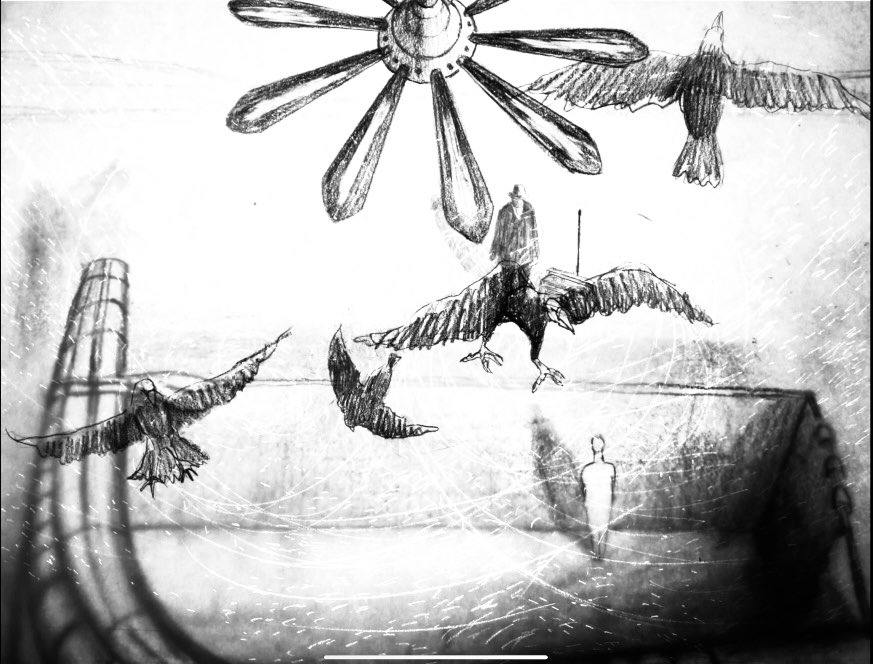
“Man in a Can” deals – amongst other aspects – with our human needs. We all realize that needs and their fulfillment can be extremely different, depending on which ‘corner’ of this globe we find ourselves in. This is not a new issue, of course, but it has probably never been as acute as it is now. Our needs have brought humankind to the verge… (going for a war is an ultimate expression of a need, also). With “Man in a Can” I definitely wanted to present – directly and indirectly – some ‘hot’ aspects of our (current) problematical human condition. And of course, I would like to see our world change for the better. Some critics believe that our condition is not as bad as we sometimes like to claim/pretend. We just so much like to be informed of whatever is happening, even at the outskirts of this globe. In this way, film and cinema are part of this chain of (over)communication. On the other hand, the worldwide spreading of (artistic) beauty and elegance can hardly be looked upon as redundant, can it?

– Where do you see the film industry going in the next 100 years?

Cinema is (still) very much a social activity. People like to spend a night in those (comfy red) seats, together with all the other spectators. And when they leave the venue, they gather in the streets or in a café to discuss the principal items of what they have just seen, they wonder at the performances of the actors, they question the director’s interventions, the beauty of the scenery, the wonderful music, the costumes, the stunts, the jokes, the horrible scenes… and they imagine making a film themselves, maybe by making a lot of drawings and mounting them to create something awesome? Will cinema in this form survive? Of course, techniques to make films will change/improve. Maybe, within a few decades, man will be able to upload films to his brain directly and project them to a virtual screen… But man will look for ways to share the emotions caused by cinematic beauty. That’s what I hope, at least.

https://henkpringels.com/

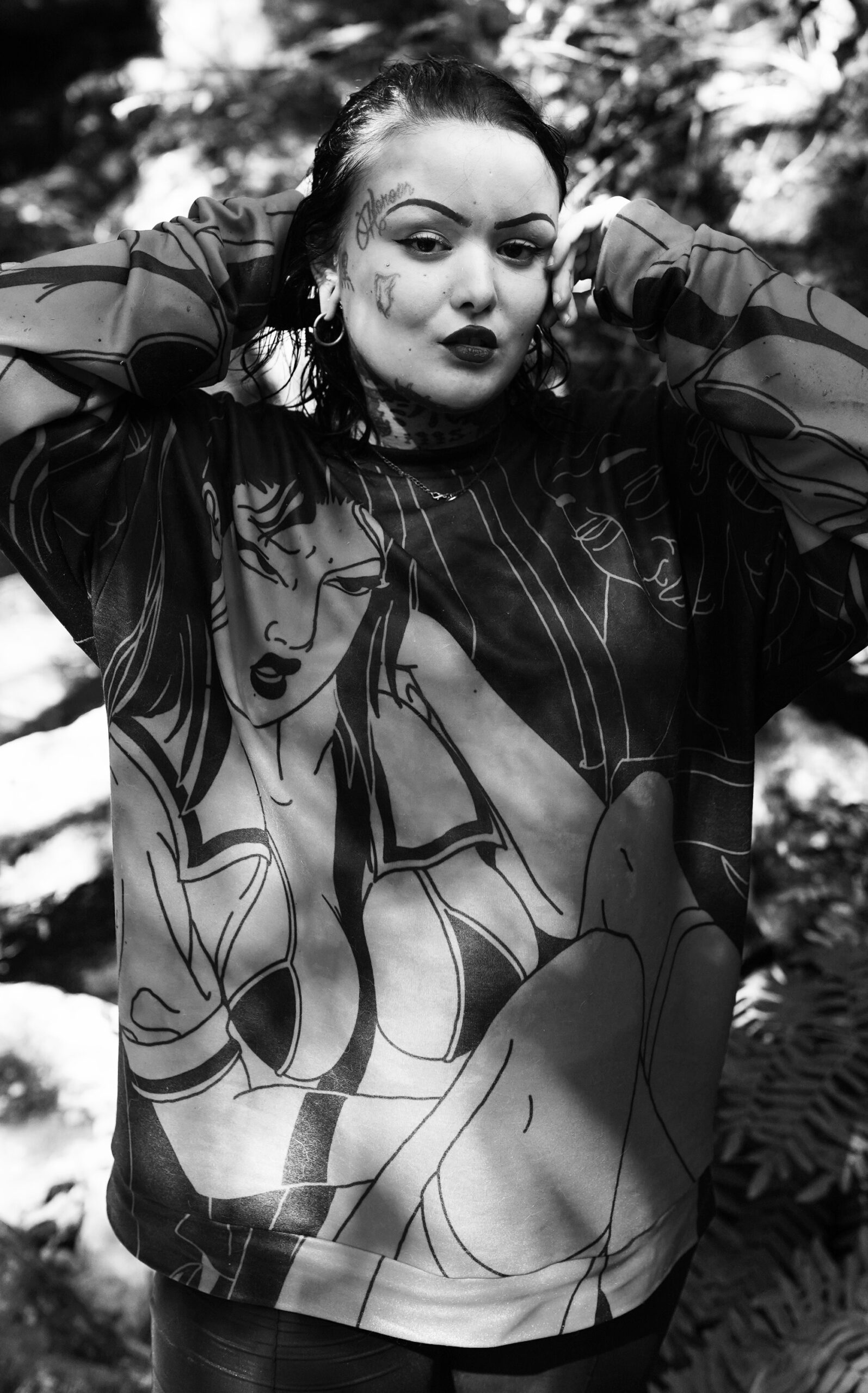
“Aquí, quien no corre, vuela” (EXCLUSIVE) Interview with Gairah Praskovia

-Who is Gairah Praskovia?

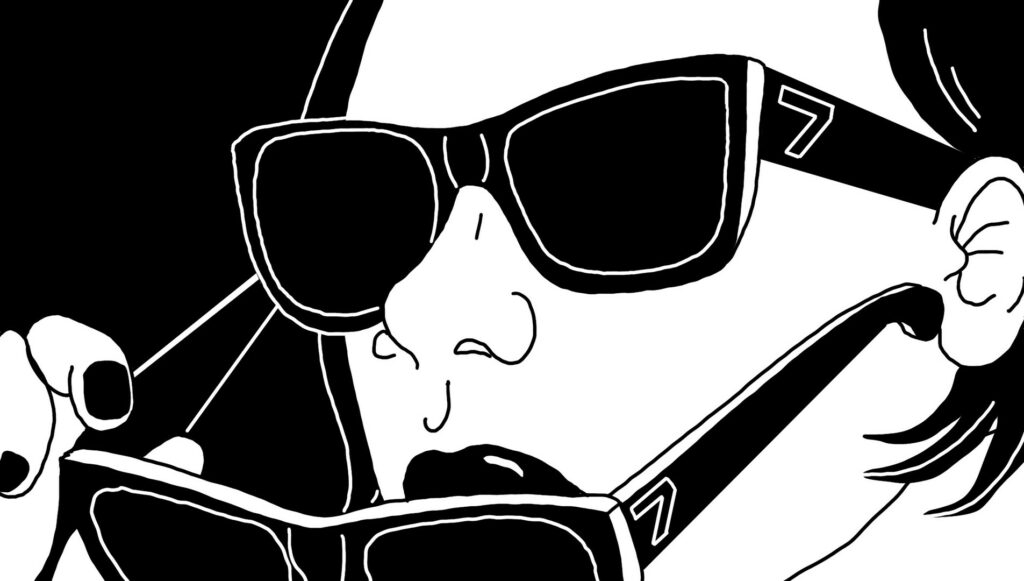
I am a set of atoms and molecules who was born in the 1995, in Ferrol at The North West Spanish coast, the Atlantic ocean by her side. I do whatever I can to do a produce what I wants. Was working in the sex industry only to follow her dreams: work as a free worker inside the illustration animation world. ¿They never asked you what you would be willing to do to achieve your goals? It never was easy, but, there is a old Spanish quote that says: <<“Aquí, quien no corre, vuela” >>. A possibility to translate might be: <<You snooze, you lose.>> That’s a common saying they use to say you better get on it and get to that opportunity quickly, otherwise you will miss out.

-What inspired you to become a filmmaker?

Sincerely, first my bravery to grow up as animator (even I was expelled from the animation school. That is a funny story in my career). And also to give live to my illustrations, because I started as illustrator and worked as it for some years. I have some mental issues that is so difficult to explain with words, so since years I drew them and now I animate them. Right now I am working on a very deeply and hard animation film to show how people with these issues suffer in them inner world.

-Do you think the cinema can bring a change in society?

Yes, cinema can change the vision of the world of a generation, which is perhaps why, and in my opinion, more political cinema should be made. Films can make marginalized and stigmatized sectors feel included. Talking about other realities, giving opportunities to people who practically have no voice in film culture. Bet on independent productions, put aside the giant Hollywood and see what other people, other cultures, other dissidents have to say.

-What would you change in the world?

Just one thing or several? No one person would be illegal and equal rights to everyone. And in this I think it is better that I do not say much more, since I just stepping on my country flag, Spain, I now have criminal record as a terrorist. Although it sounds utopian, I would like a slight change to be made in the primary and compulsory education systems where, in my opinion, they should teach emotional management, learning to identify the feelings of oneself and others. Perhaps the most basic thing to be able to have the tools and know how to take care of ownself and heal ownself from a traumatic moment, as they teach us to heal a physical wound without having too much knowledge in medicine.

– Where do you see the film industry going in the next 100 years?

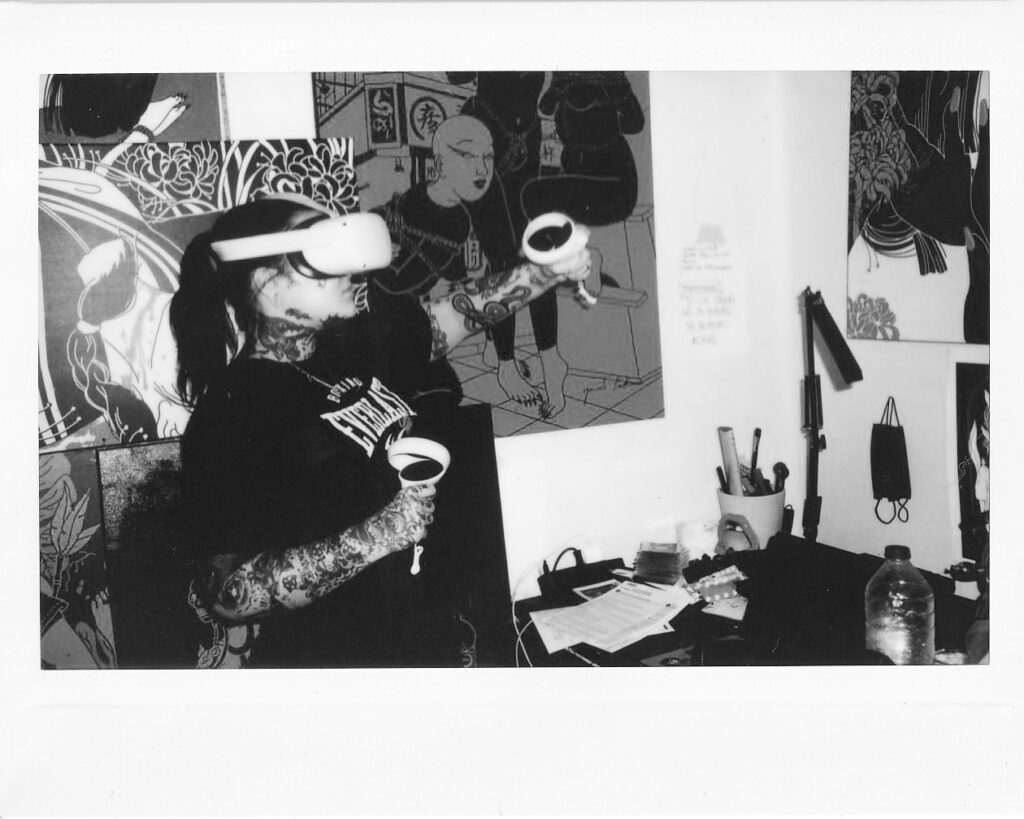
I guess cinema little by little and as we can already see in large fiction productions, is the link with new technologies. Being able to develop unimaginable worlds thanks to software and people who work on its programming and Artificial Intelligence and Virtual or Augmented Realities. Some of the big streaming platforms can be found in the Metaverse with the Oculus glasses. From my greatest ignorance, since I have had these glasses for a short time and I use them only to draw, if there are or were 360º films to leave the flat screen and be able to be part of the film’s history, almost like a video game.

“Dubai – What is the future?” (EXCLUSIVE) by Michele Diomà

What is the future?

Surely, the future is not a philosophical concept but an instinct.

Also, animals have their interpretation of the future, which is often crucial for their survival.

For many writers and filmmakers, the future has always represented something fascinating to tell.

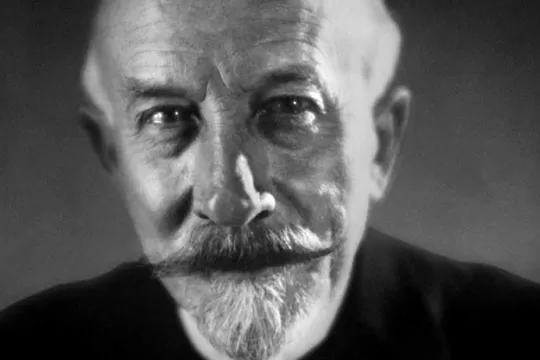
I am a cinephile and when I hear the word “future” I immediately think about  Georges Méliès…

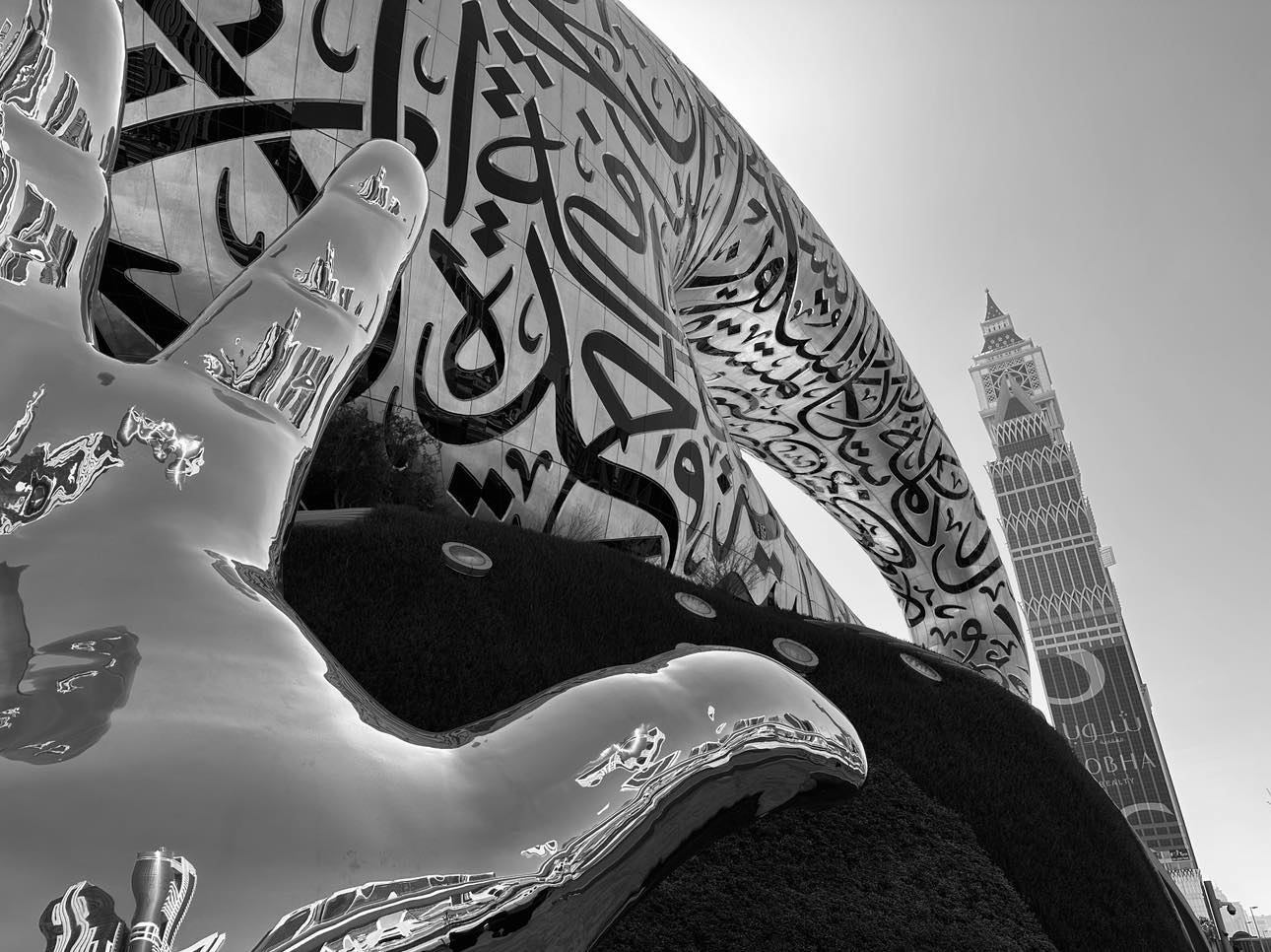
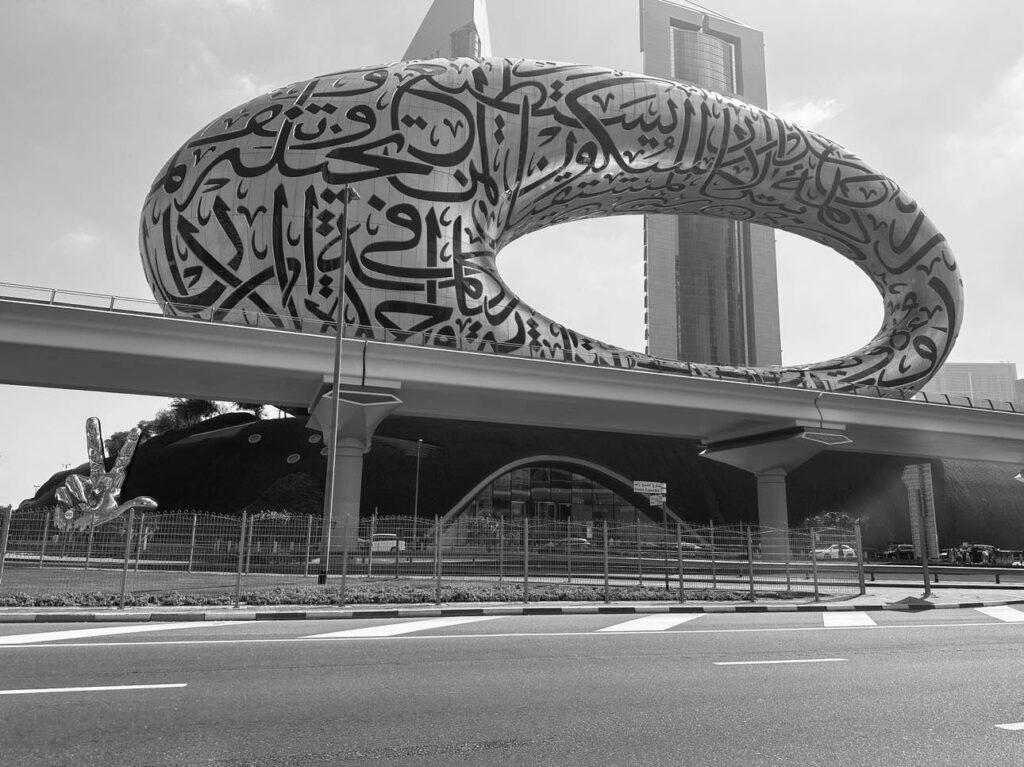
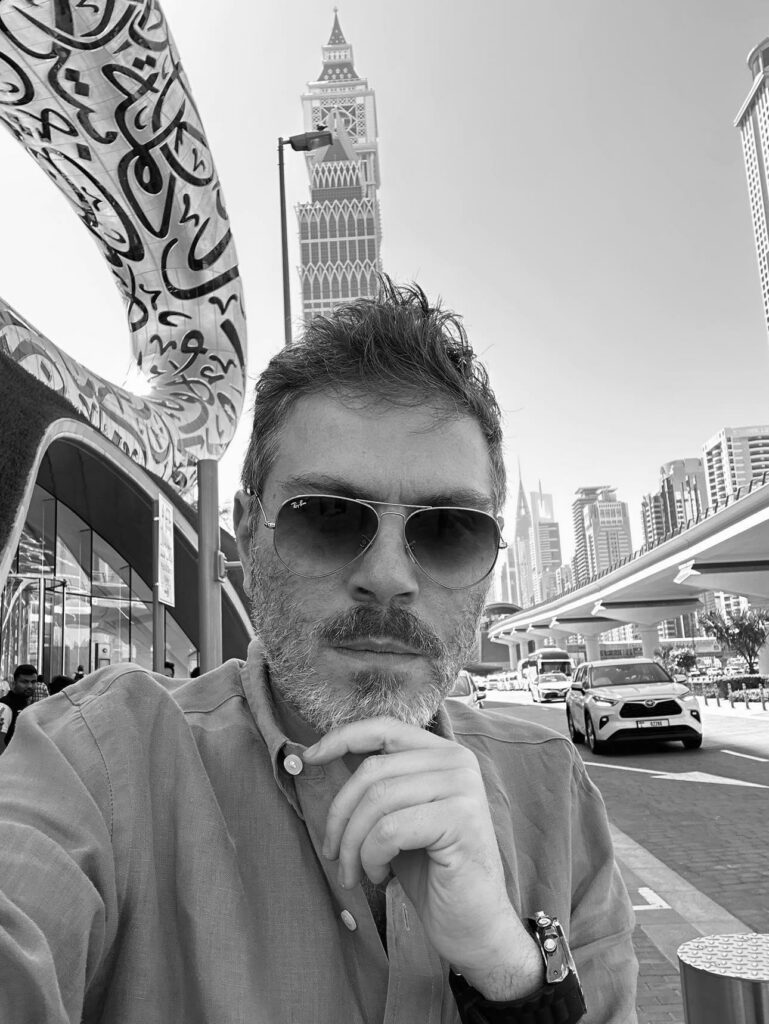
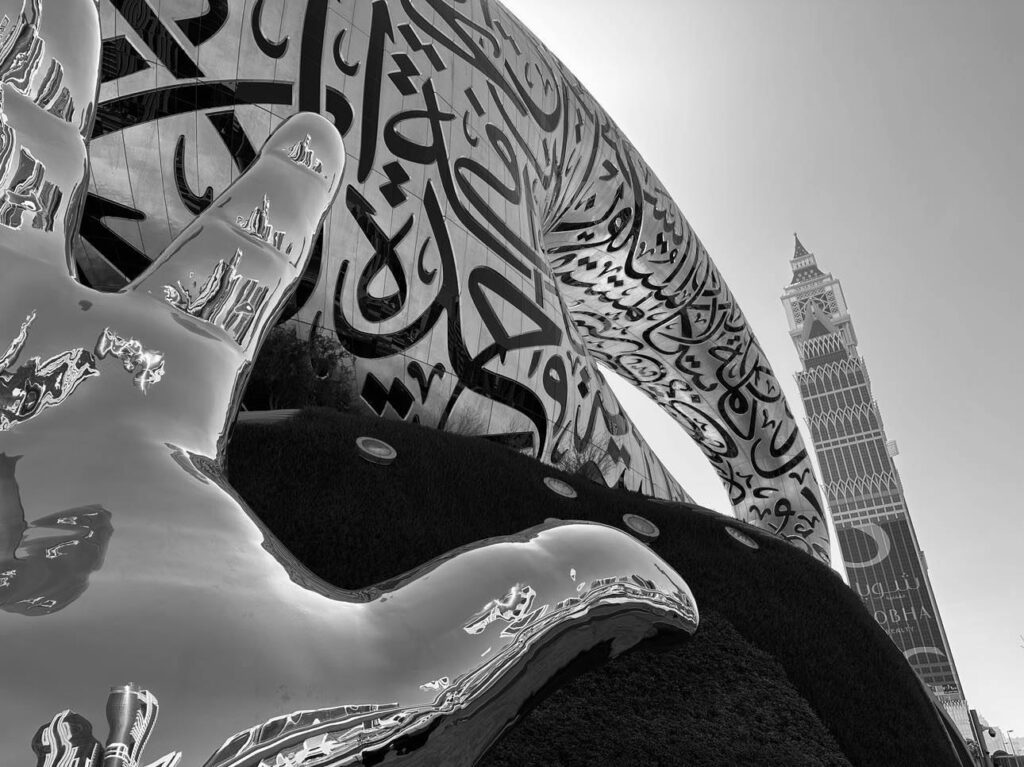
I’m here today in front of the Museum of the Future in Dubai trying to understand if what I’ve been thinking about the connection between Cinema and the Future is true or not.

There is no other form of art that has the same connection as cinema has with the Future.

That’s why since cinema started looking at the past has stopped being the protagonist of art and communication. Today, cinema copies itself too often.

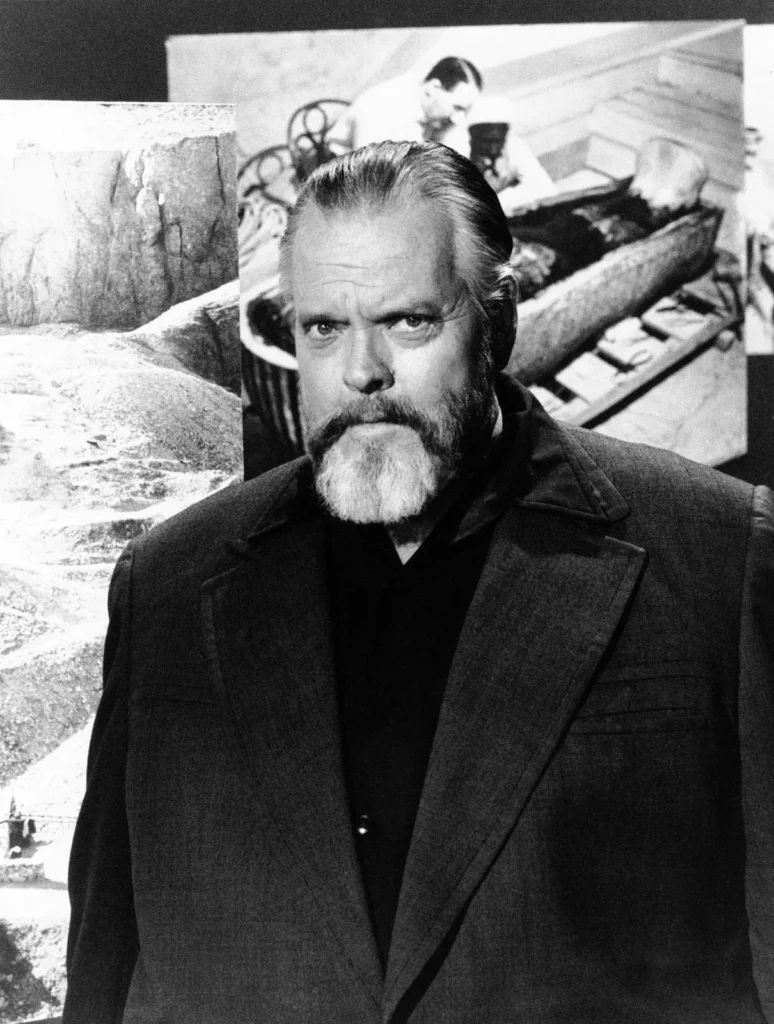
And why should I watch a remake of a movie made more than 70 years ago by Orson Welles, but without Orson Welles?

Perhaps one day they will invent a creativity pill for directors.

Directors will take it before writing a script and will forget all the movies they once loved. When this pill will exist it will be a new beginning in the history of cinema, which will return to dance to the sound of the future.

“Cinema has always and will always bring change.” (EXCLUSIVE) Interview with Kim Hopkins

-Who is Kim Hopkins?

Kim Hopkins is an international award-winning actress and model for over 50 years. Kim has a production company with partner and friend Abigail Breslin. Kim is also the creator of The Working Actor Formula, Live In The Moment Acting, and Last Minute Audition which help actors understand show business and have the career of their dreams.

Starting with a modeling career at three years old, Kim went on to model in New York City to then become an international model and actress with a career spanning over five decades. Paving the way for new generations, she helps aspiring and working actors create content-driven platforms that will bring recognition and booking opportunities. Kim’s clients have won multiple awards, signed with the industry’s top agents, and enjoy successful careers. At the moment Kim Hopkins and her partner and close friend are co-producing their new show The Cannibals. They co-wrote, co-directed and co-star on the show that is already winning awards!
Kim has been on the cover of many magazines and has appeared in over 300 commercials globally. She’s been a series regular and starred in cult films, such as Cheech and Chong’s Next Movie, The Hollywood Knights, and The Happy Hooker Goes Hollywood. She has also appeared on The Tonight Show, New Mom Who Dis, I Want To Know Your Story and many podcasts. A passionate performer, she has also directed and starred in her own films garnering over 35 awards, including Best Actress, Best Supporting Actress, and Best Director.

-What inspired you to become a filmmaker?

After all those years in front of the camera I decided to learn more about what everyone behind the camera does so that I could understand better what I was asking of them and what to expect, which led me to film school. I wanted to make my own films. Naturally, at first I am making films and television shows that are fun and interesting to watch, what sells so that eventually I can do what makes my heart sing.

I wanted to do things my way, see my visions come to life, with my friends and family working by my side. And also help new and veteran actors live their dreams as well.

My goal is to give a voice to those who don’t have one, and to shine a light on the humanity or lack thereof in our world. Diversity and inclusion are top priorities as well as elder care. There is a serious need to see what is really happening to our elderly, not just in the United States but around the world. Japan is so wonderful at caring for their elderly, the rest of the world has a lot to learn and it is my belief that I can make a difference with my work.

-Do you think the cinema can bring a change in society?

One hundred percent, yes, cinema has always and will always bring change.

-What would you change in the world?

The world, changes, hmmmm, so much. First priority for me, as I mentioned before, is the care of the elderly. However education is also key to making change happen. It feels as though everyone is just going through each day, not really living, working and stressing and not enjoying every moment we are given. I would love to see people be more present with themselves and really live their lives instead of just getting to the end of it, and wondering where the time went. LIVE your life, be kind to others and make people feel seen and heard, that means you have to present yourself!

– Where do you see the film industry going in the next 100 years?

That is a loaded question! With all the talk of AI who knows! I honestly think it will remain pretty much the same. We will always want to escape into the world of let’s say Guillermo Del Toro films, fantasy and science fiction, don’t see that changing. Everyone loves to laugh, cry and just leave their own reality behind for a few hours. I know I love all of that. There is something about being in theater with others joining you on the journey, separate but together, that is not going anywhere!

“I love telling original stories.” (EXCLUSIVE) Interview with Joss Refauvelet

– Who is Joss Refauvelet?

Joss Refauvelet is a producer, writer and director based in Henderson, NV. A native to Annecy, a beautiful small town in the French Alps, Joss has studied the arts all over the world, ranging from model making in Kent, England, to special effects make-up in Burbank, CA.
With close to two decades of experience working in all phases of filmmaking, including but not limited to editor, cinematographer, prop master, and SPX special effects makeup artist, Joss knows how to deliver a quality production on time and on budget as a true indie should. Joss’ debut feature film, “PRND” (Park Reverse Neutral Drive) was released on VOD in 2017 through Indie Rights. “Lovers In A Dangerous Time” will be coming soon through Indican Pictures, with “Aamal” projected to be released to its global audience in 2023.

-What inspired you to become a filmmaker?

I wish there was an exciting event or catalyst to share here, but the truth of the matter is that I’ve just kept leaning into my creative side.  I live to create… from painting to sculpting to photography, but ultimately, creating stories is what I live for.
I love telling original stories.  If we’re lucky, we’ve all experienced that moment when we can’t simply go home after seeing a movie… we have to stay up and talk or debate about it. Those are always the sorts of films I sought out growing up.  Telling a story that creates a dialogue between friends and family after watching the movie is what I always set out to do.

Do you think the cinema can bring a change in the society?

Absolutely. I intentionally try to work with a diverse cast and crew to do my best in the fight against stereotypes and racism.
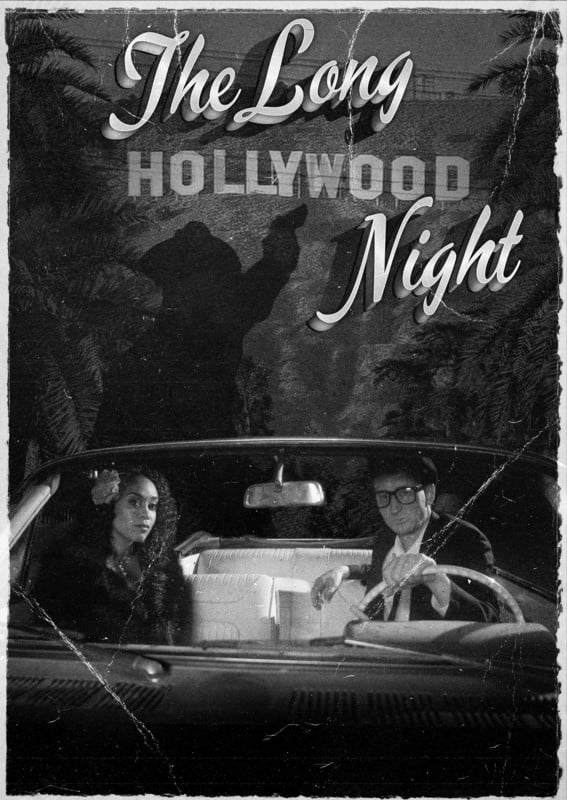
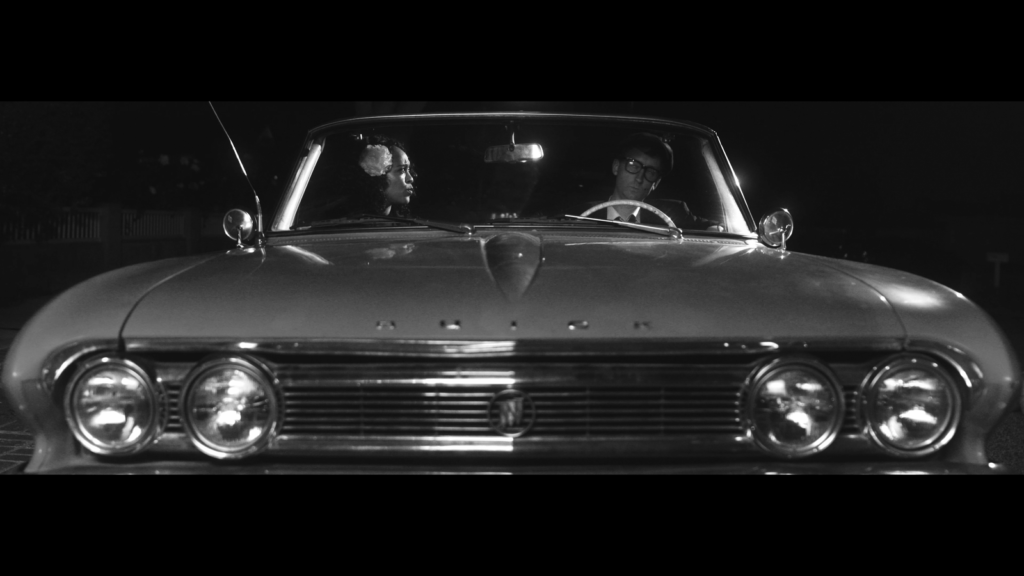
“The Long Hollywood Night,” set in the 1960s, the height of the original Civil Rights era in the USA, has its main character portrayed by an African-American woman.

What would you change in the world?

Oh wow…well, given that nearly every major world issue could be solved by ending selfish behavior.  I guess that’s what I’ll say.  Is it even possible?

Where do you see the film industry going in the next 100 years?

What an interesting question.  I’ve been mulling this over for several hours and what I truly think is that the film industry will be gone.  The industry will be considered a relic, at the Louvre, next door to the Egyptian artifacts.
In 2122, I imagine “cinema” could be a totally immersive and personalized experience generated by our own thoughts or AI.  Of course, the romantic in me would hope to think there will still be a need for human storytellers 🙂


“I don’t define myself so much as a filmmaker, rather as a poet.” (EXCLUSIVE) Interview with Giulia Efnael Viero

-Who is Giulia Efnael Viero?

I have a degree in Communication Sciences and I was born as a photographer in 2008, within the Flux Lab Association of Turin, Laboratory of Integrated Arts, where I come into contact with numerous artists of the Turin scene. Thanks to the fact that I won “CRITICA IN MOVIMENTO” award, Studio 28 Tv, I was introduced into videomaking and I stared to collaborate with the Italian Web Television platform “Studio 28Tv” and the European one of “Share Culture Tv”. Parallelly to my adventure as a videomaker, I began a profound journey of inner research, through Yoga and meditation, becoming a Yoga teacher and working within the research group on the nature of consciousness “Il Filo d’Oro” with Daniel Lumera, international researcher and trainer in the area of meditation and well-being. These two passions, one for art and one for the holistic disciplines, will end up coming together more and more: I started documenting themed conferences, creating video art projects, and I ended up making my own first documentary film: THE SILENT REVOLUTION.

-What ispired you to became a filmmaker?

I don’t define myself so much as a filmmaker, rather as a poet.

I started writing poems when I was young and when I met photography first, and video later, for me they have become “new pens” with which to write and share the poetic world that I have inside and with which I read the reality that surrounds me.

-Do you think the cinema can bring a change in the world?

Yes, of course, otherwise no one would finance large productions, for example! I think, for example, that Hollywood cinema has greatly influenced our lifestyle.

What I regret, or rather what I wish, is for people to be more interested in “independent cinema”. You can find “free voices” here, and digital works of a high level of quality too. People who really believe in the message their film wants to convey otherwise it’s impossible to deal with all the work involved. I think that when there is a large amount of funding behind a film, perhaps there is also great interest in the message that the film should convey.

What would you change in the world?

I’d like to answer this question by quoting my film. Particularly mentioning something really deep and strong in me, which one of the main characters Julia, says:

“One of my ideals, which I feel strongly, it’s about the concept of perfection…and this has brought me a lot of tension, a lot of suffering, in trying to get there, or being perfect myself.

But now I feel like…perfection is not something that we need to achieve, but something that exists already and the key is feel it.”

I don’t think the world needs to be changed, I think the world just needs to grow. You can’t get mad at a two year old because he can’t run!

You have to be patient, really patient, and help it grow, rather than fighting it, I believe.

Where do you see the film industry going in the next 100 years?

I do not know really!

Maybe we could do things we can’t even imagine…5D like 5G!!

I don’t really Know, but given the speed of growth of technology and given the ever increasing possibility for everyone to create digital products also…I hope this can be followed by personal growth as human beings. A science of the Human Being.

And this is basically the message of my film and the reason why I’m very happy and honored by the last award won at Helsinki Education International Film Festival, in an avant-garde country not only from a technological point of you but also from that of the educational system.

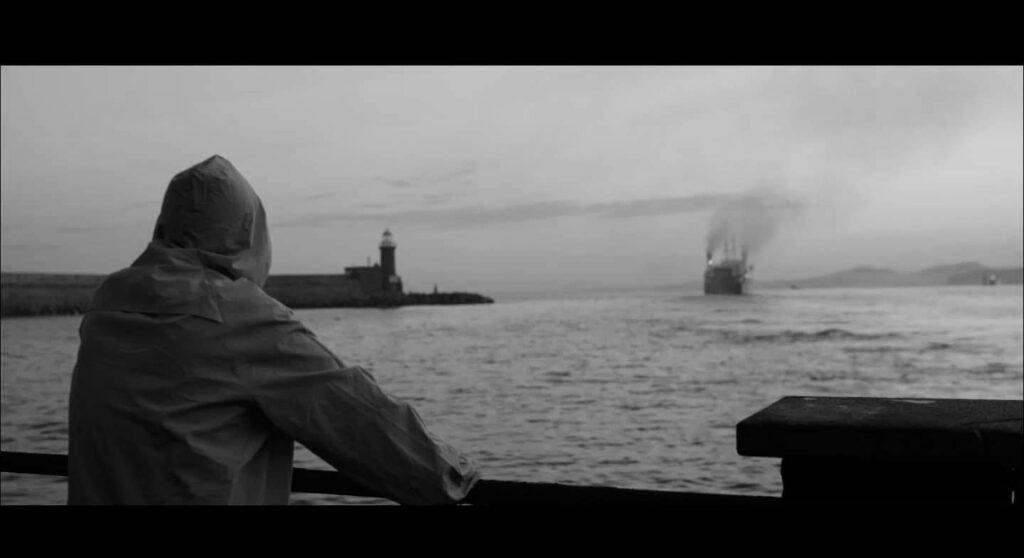
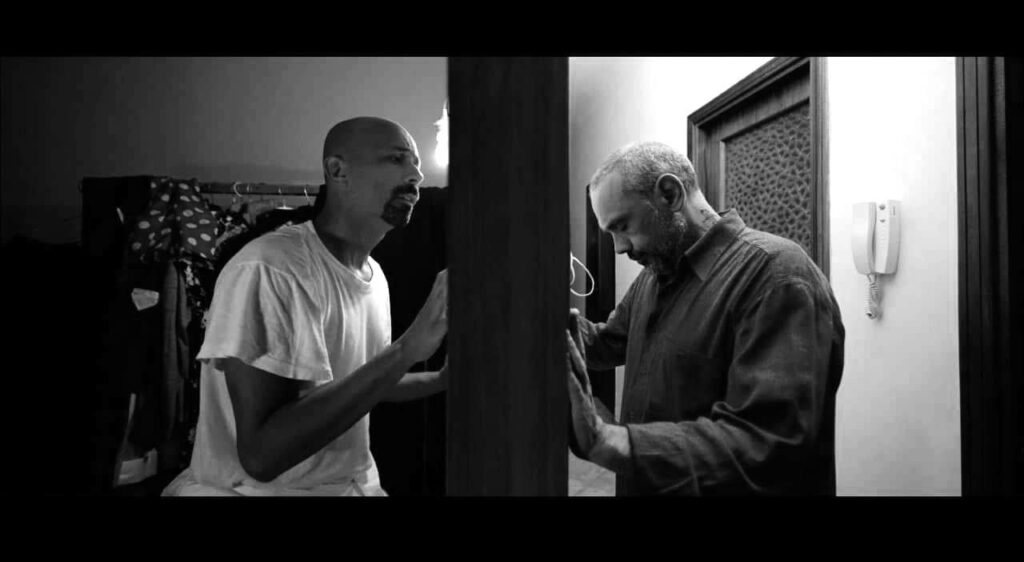
“Luzinete” (EXCLUSIVE) Interview with Carla Di Bonito

-Who is Carla Di Bonito?

Carla is a Brazilian born filmmaker and former journalist who left Brazil at the age of 19 to follow her dreams. She studied journalism in Rome and after living in different countries in Europe she finally settled in London where she worked across different departments of the BBC. Her desire to make films grew stronger as her self doubts diminished and after having to put on hold her career as filmmaker for family reasons she came back a few years ago and has written, produced and directed the powerful short film Luzinete, a tribute to her sister who tragically died following an overdose.

-What inspired you to become a filmmaker?

The need to share stories that can go deeply into one’s heart combined with the freedom exercised by imagination.

-Do you think cinema can bring a change to society? 

Always! Hence the huge responsibility in using this powerful tool for the good of others.

-What would you change in the world? 

 The way values are set and definitely the way humans look at each other and the entire nature.

-Where do you see the film industry going in the next 100 years? 

Independent filmmaking will grow stronger. For as hard as it is at present, I still believe it will. 

“Offline” (EXCLUSIVE) Interview with Eduardo Cocciardo

Who is Eduardo Cocciardo?

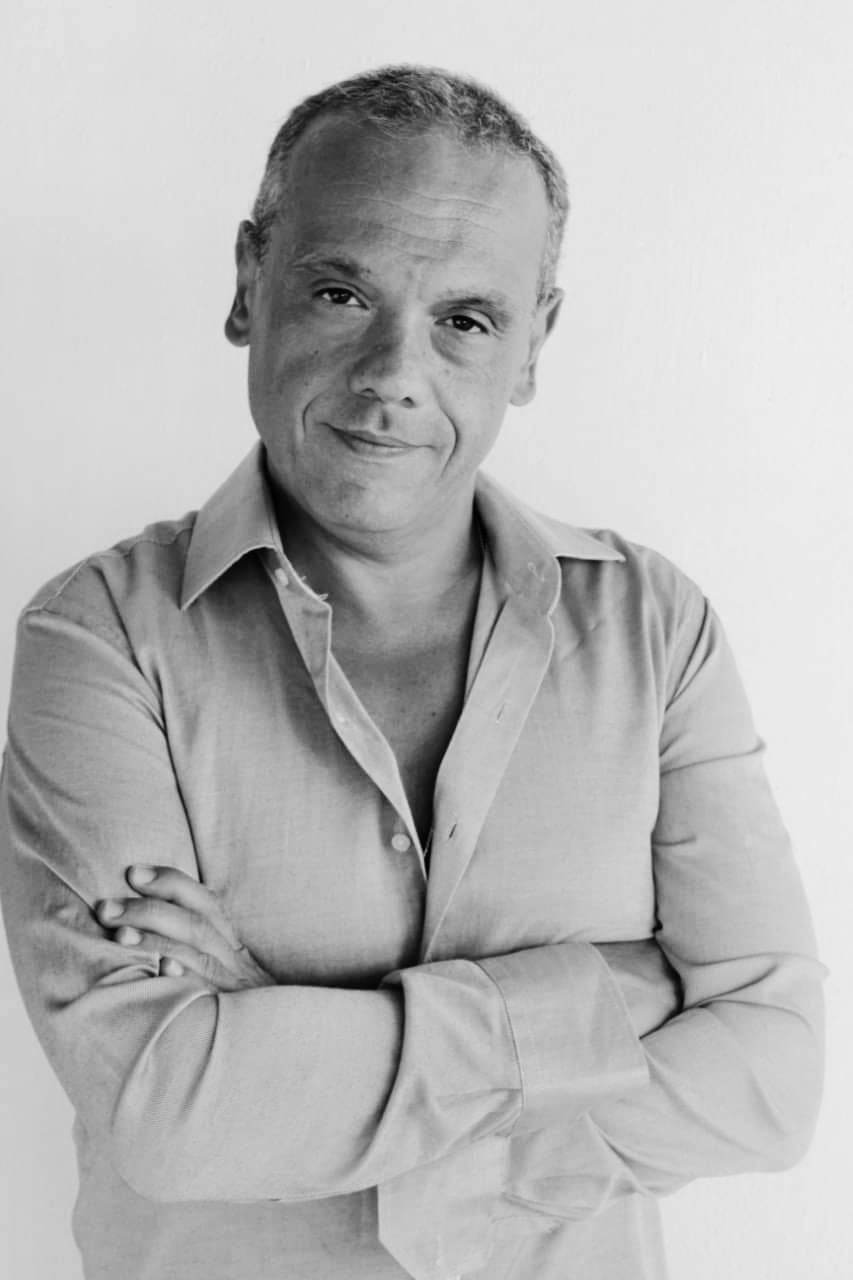
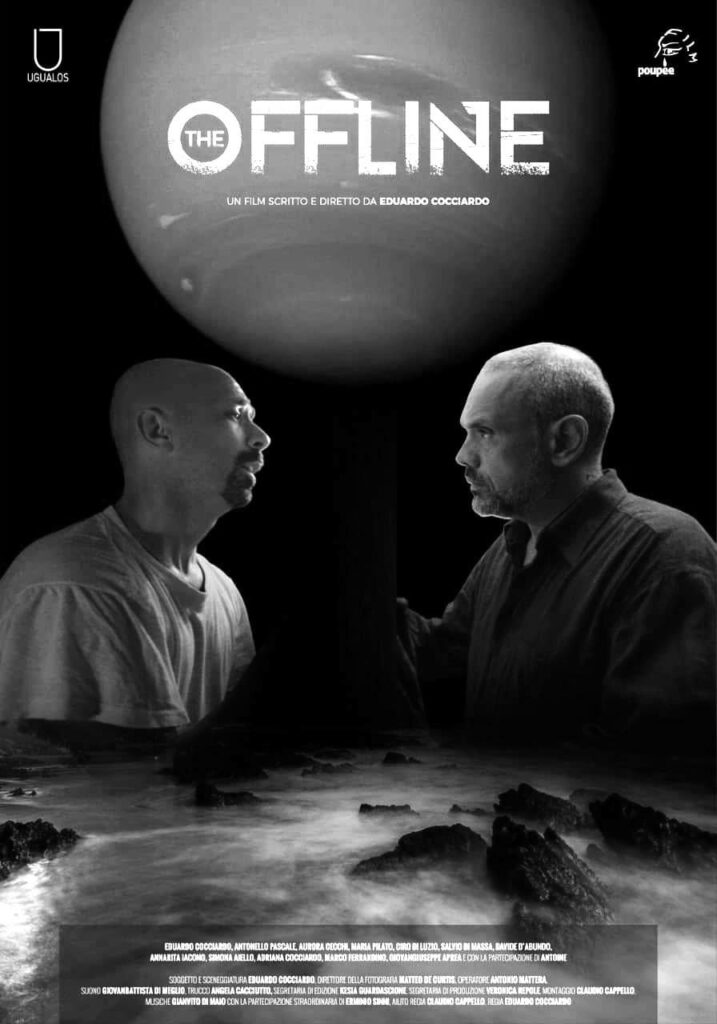
Eduardo Cocciardo is a writer, director, actor, and teacher born on the island of Ischia, in the province of Naples, in 1975. He has been passionate about writing and acting since he was a child. He approaches the cinema for fun, trying to make his first short films at home, mostly inspired by his adolescent tales of terror. It is the university experience in Siena, at the Faculty of Modern Literature, Music and Entertainment, that brings him professionally closer to the theater, which from that moment on will become a faithful travel companion. In 2005 his first publication arrives, an essay dedicated to the genius of Massimo Troisi, L’applauso interrotto – Poesia e Periferia nell’opera di Massimo Troisi (Non Solo Parole edizioni), partly inspired by his university thesis. Later on, Cocciardo published four novels: Alice Fuori dal Paese (Non Solo Parole Edizioni, 2007), Neve Bianca (Albatros – Il Filo, 2010), Gli Alfabeti della Morte (Edizioni Arpeggio Libero, 2016), La Rosa di Gerico, viaggio alla fine del Tempo (Edizioni Arpeggio Libero, 2022). Recently, in addition to teaching literature and acting, he has decided to devote himself almost entirely to cinema: after a successful horror comedy trilogy, made up of the short movies La Mezzanotte Bianca, La Mezzanotte Rossa and La Mezzanotte Blu – the latter selected for the Short Film Corner of the Cannes Film Festival 2018, he returned to feature film – after Assemblé, filmed in Arezzo in 2006 – with The Offline, a completely independent work that received a lot of awards at some of the most prestigious international festivals, and was included in important streaming platforms such as Chili and Indiecinema.

-What inspired you to become a filmmaker?

Obviously, becoming a filmmaker was the dream I had as a child. Over the years, however, my dream became bigger: I wanted to extend the capabilities of writing beyond the limits of paper. I saw in the cinema an expansion of writing, not so much in a strictly productive sense, because it is undeniable that, with the costs of a film, it is much easier to free the imagination in a narrative elaboration, but rather in the possibility of sharing my imagery with others, first with the crew, and then with the audience. Today I can provocatively say that when I write a story, I work on the film that it will never become, and when I make a film, I work on the story that never was. The artistic goal is the perfect interconnection between these two levels, writing and cinematographic vision, where theatre has also to be included.

-Do you think the cinema can bring a change in the society?

Unfortunately, today we are living in one of the lowest cultural phases in the history, especially in my country. Compared to the past, the possibilities that a piece, either cinematographic or theatrical, can influence the socio-political fabric, are truly reduced to a minimum. However, it is the duty of filmmakers from all over the world to continue to believe in it, otherwise the very meaning of making cinema would be irreparably lost. Independent works, by their very nature, have always fought for a change in reality, and have often pushed language beyond its limits, allowing cinema to experiment and renew itself. Therefore, independent productions have a duty to continue to analyze contemporary reality in the most authentic way, trying at all costs, with festivals, platforms, theaters, and even with private screenings, to reach the hearts of viewers.

What would you change in the world?

What would I change in the world? A lot of things. Starting with the fact that the power of a few is considered now democracy.

-Where do you see the film industry going in the next 100 years?

The risk that in the next hundred years the film industry will turn almost exclusively to virtual and extremely conventional products is real. The greatest danger, in my opinion, is a total flattening of the narrative, which could end up telling always the usual two or three stories remodeled on occasion, something that it’s already happening. I repeat that the only way to fight this risk is to give maximum prominence to the authenticity of independent cinema, and finding new market solutions at the same time.